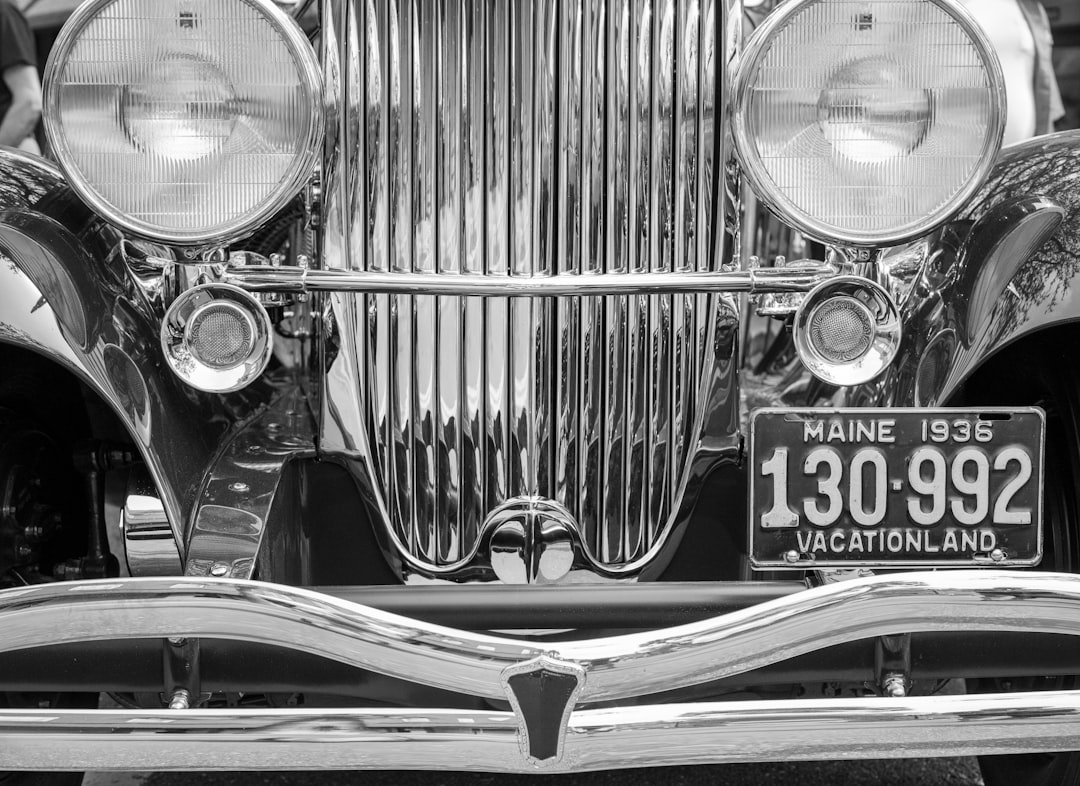
Archival Deep Dive Illuminates Hidden Significance of a 1930s Automotive Gem
In an era where digital accessibility is continually unearthing forgotten narratives, a recent revelation from meticulous archival research has shed new light on a remarkable 1930s automotive model. This particular vehicle, now brought to the forefront through extensive documentation and expert analysis, transcends its role as a mere classic car, offering profound insights into pre-war engineering ingenuity, design philosophy, and the broader socio-economic landscape of its time. The discovery provides a tangible link to America's industrial identity during a decade marked by both immense challenges and determined progress.
Unveiling Pre-War Engineering Excellence
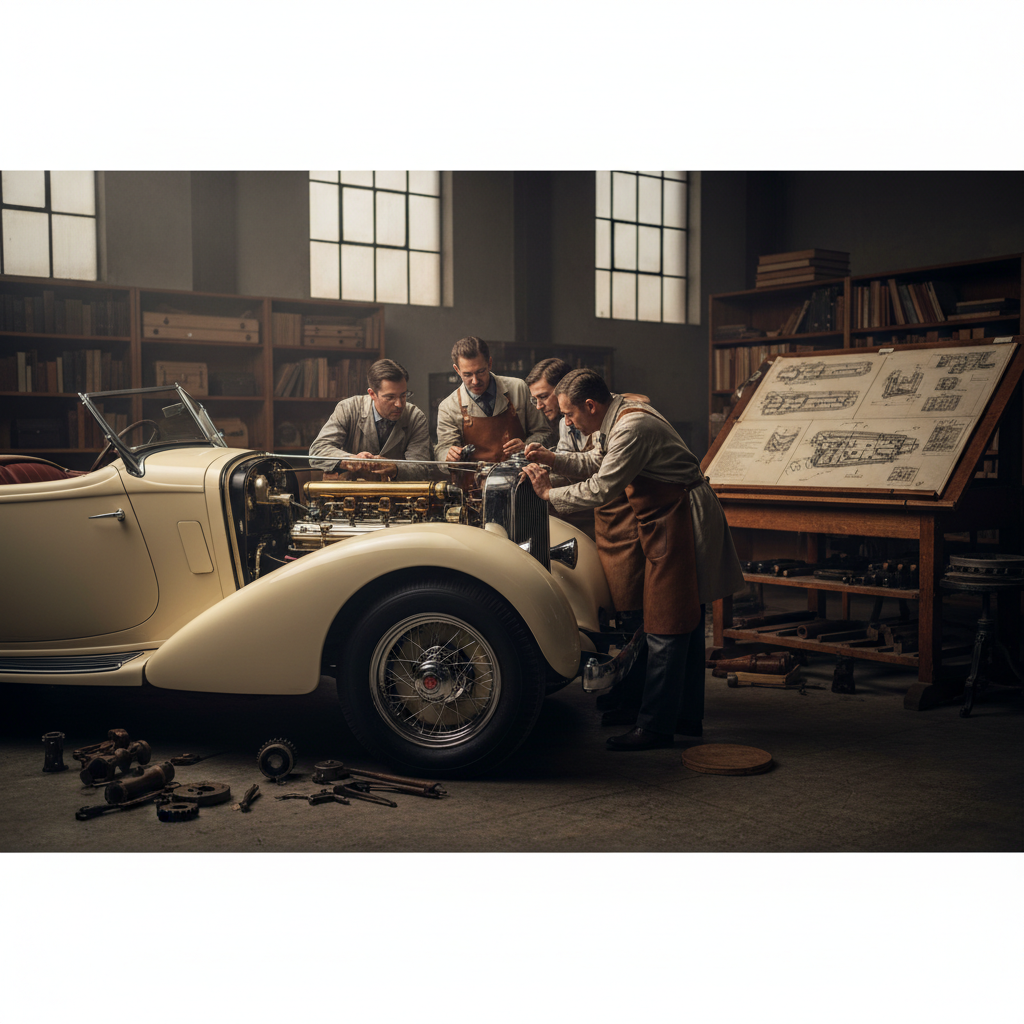
Automotive historians and enthusiasts are now poring over newly accessible documents that detail the innovative aspects of this 1930 model. Unlike many of its contemporaries, this car distinguished itself through a blend of pragmatic engineering and forward-thinking design. Early analysis suggests the vehicle showcased a construction that was both lightweight and notably durable, a critical balance during an economically constrained period when resource efficiency was paramount.
Furthermore, the archival material highlights sophisticated solutions in areas like cooling systems and nascent aerodynamic streamlining, reflecting carmakers' continuous efforts to enhance both performance and fuel efficiency. These design choices were not merely aesthetic; they were direct responses to the economic and operational demands placed upon vehicles of the era. For instance, historians are examining how its engineering contributed to adaptations in pre-war automotive safety, laying foundational concepts that would evolve significantly in later decades. The vehicle’s design also offers valuable insights into early attempts at emissions control precursors, a topic of surprising relevance to today's sustainability dialogues.
The re-examination of this car through a contemporary lens underscores how automotive innovation often arises from necessity. In the 1930s, manufacturers faced the dual challenge of building reliable transportation amidst economic hardship while simultaneously pushing the boundaries of mechanical possibility. This particular model stands as a testament to that inventive spirit, embodying a period when robust simplicity and mechanical strength were hallmarks of motoring excellence.
A Legacy Beyond the Chassis: Connecting Past and Present

The significance of this archival revelation extends far beyond the technical specifications of the vehicle itself. It offers a rich educational resource for understanding the intricate interplay between economic resilience, technological evolution, and the formation of cultural identity through industrial output. Educators are encouraged to integrate such real-world artifacts into lessons spanning economics, engineering, and cultural shifts, demonstrating how historical objects can illuminate complex societal narratives.
For collectors, the newfound documentation provides a critical benchmark for authenticity in restoration projects, enhancing the historical accuracy and value of surviving examples. The detailed records help to paint a fuller picture of the vehicle's original specifications and design intent, allowing for more faithful preservation efforts.
Crucially, the story of this 1930 model resonates with modern concerns about sustainability and design longevity. By studying the materials and engineering philosophies that prioritized durability and efficiency in the past, contemporary automotive designers can draw inspiration for future-oriented, environmentally conscious vehicle development. The emergence of such overlooked artifacts is a testament to the power of accessible digital archives, which enable millions to connect with historical insights and understand representations of progress that might otherwise remain hidden.
The Enduring Quest for Automotive Heritage
The recent spotlight on this 1930s vehicle underscores the vital ongoing work of automotive historians and archivists worldwide. Their dedication to preserving documents, records, images, and ephemera related to motor transport is essential for building a deeper understanding of the automobile's development and its profound impact on society. As more historical collections become digitized and shared, we can anticipate further discoveries that will continue to enrich our appreciation for the pioneers and innovations that shaped the motoring world. Each unearthed detail adds another layer to the intricate tapestry of automotive history, reminding us that even the most seemingly ordinary machines often hold extraordinary stories, waiting to be retold.