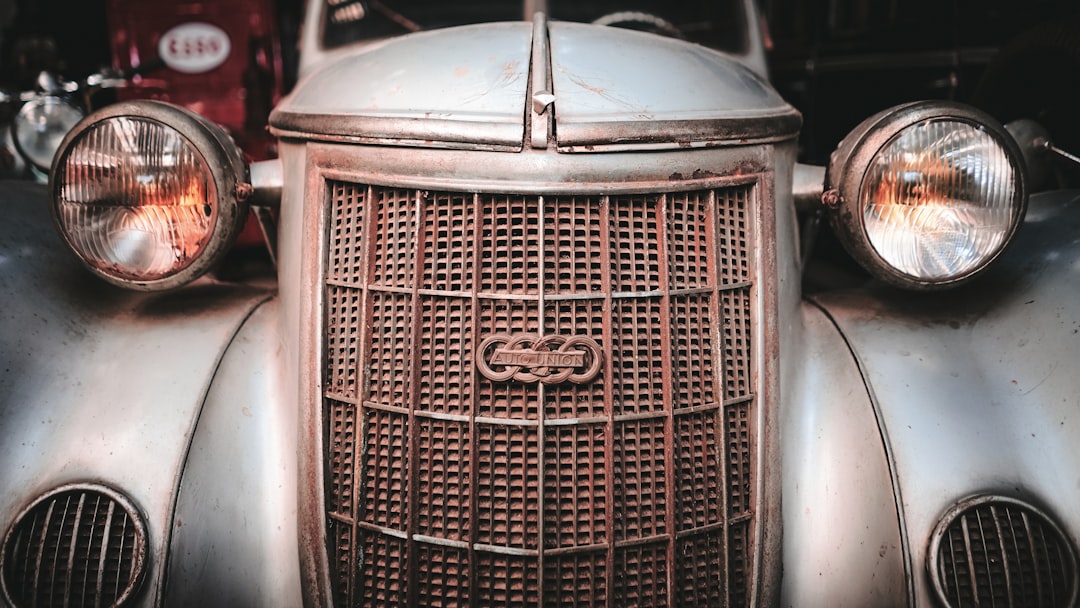
Audi Resurrects Lost 1930s Auto Union V16 Speed-Record Car
In a triumph of automotive archaeology and engineering, Audi has recently unveiled the meticulous rebuild of a lost 1930s Auto Union V16 speed-record car, breathing new life into a forgotten chapter of motorsport history. This extraordinary effort brings back one of the iconic 'Silver Arrows' – a moniker given to the dominant German racing cars of the pre-war era – highlighting an age when audacious engineering pushed the boundaries of speed and design. The news, emerging in the past 24-48 hours, has captivated classic car enthusiasts worldwide, offering a rare glimpse into a monumental period of automotive innovation.
The Dawn of the Speed Demons: Auto Union's Legacy
The 1930s were a golden age for automotive development, particularly in Germany, where fierce rivalry between Mercedes-Benz and Auto Union led to the creation of the legendary 'Silver Arrows.' These cars were not merely racing machines; they were symbols of national pride and engineering prowess. Auto Union, with its radical mid-engine layout conceived by Ferdinand Porsche, introduced a formidable challenge to its competitors. At the heart of these beasts was a colossal V16 engine, a powertrain configuration rarely seen in automotive history, designed to deliver immense power for both circuit racing and top-speed record attempts.
These Auto Union cars, including the Type C, achieved incredible feats of speed. One such machine, a V16 speed-record car, reportedly achieved speeds exceeding 200 mph almost a century ago. These record attempts often took place on public roads specially closed for the occasion, demonstrating the raw power and daring spirit of the era's drivers and engineers. However, the ravages of World War II and subsequent political shifts led to many of these automotive treasures being lost or destroyed, with some vanishing behind the Iron Curtain, becoming mere legends whispered among enthusiasts. The idea of one of these 'lost' machines returning is therefore a profound moment for automotive heritage.
A Modern Revival: Rebuilding a Legend
The task of resurrecting a vehicle as complex and historically significant as a 1930s Auto Union V16 speed-record car is a monumental undertaking, demanding incredible dedication, historical research, and advanced engineering techniques. It’s not simply a restoration but often a complete reconstruction, relying on original blueprints, period photographs, and surviving components from other vehicles. The recent completion of such a project by Audi underscores the brand's commitment to its rich heritage, tracing its roots back to the Auto Union era.
Engineers and historians would have faced immense challenges in recreating the intricate V16 engine, which was at the forefront of technology nearly a century ago. From metallurgy to carburetion and lubrication systems, every aspect had to be faithfully replicated or reconstructed to period-correct specifications. The chassis, bodywork, and even the smallest interior details would have required countless hours of painstaking craftsmanship, ensuring that the reborn vehicle is an accurate and authentic representation of its pioneering forebear. The ability to witness this engineering marvel once again in its physical form offers an invaluable educational experience, bridging the past with the present.
Preserving the Spirit of Innovation
The resurrection of this Auto Union V16 speed-record car serves as a powerful reminder of the relentless pursuit of speed and engineering excellence that characterized early automotive history. For an international audience, it illustrates not only the technical achievements of German automotive pioneers like Karl Benz and Gottlieb Daimler (whose foundational work predates Auto Union but set the stage for such innovations) but also the global impact of these developments on motorsport and vehicle design.
Exhibitions showcasing such meticulously restored vehicles, like the one recently highlighted at the Saratoga Automobile Museum for Mercedes-Benz's 140-year history, provide crucial platforms for people to engage with and understand the evolution of the automobile. These cars represent more than just metal and mechanics; they embody the spirit of their time, the triumphs of human ingenuity, and the foundational elements that shaped the automotive industry we know today. By bringing these lost legends back to life, Audi ensures that future generations can appreciate the groundbreaking vision and daring spirit that continue to drive automotive innovation.