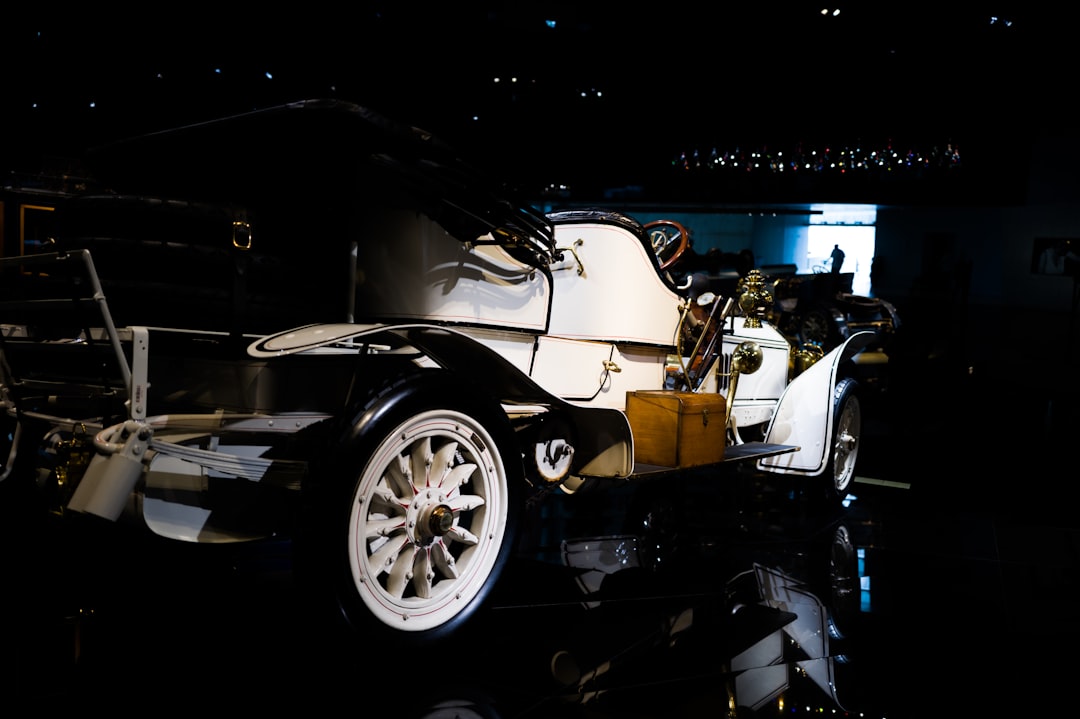
Automotive Milestones: How Innovations Shaped the Classics We Cherish
In the dynamic world of classic cars, where heritage and technological prowess converge, a recent publication has turned the spotlight onto the very bedrock of our motoring passion: the foundational innovations in automobile engineering. A piece published on April 21, 2026, by Dale Adams Automotive, reflecting on insights from Interesting Engineering, delves into the 20 greatest innovations that have profoundly shaped the automotive industry over the past century. This serves as a timely reminder for enthusiasts on portal ClassicsGram that the allure of vintage vehicles often stems from the ingenious advancements that once defined them.
The Dawn of Driving: Engineering Classic Appeal
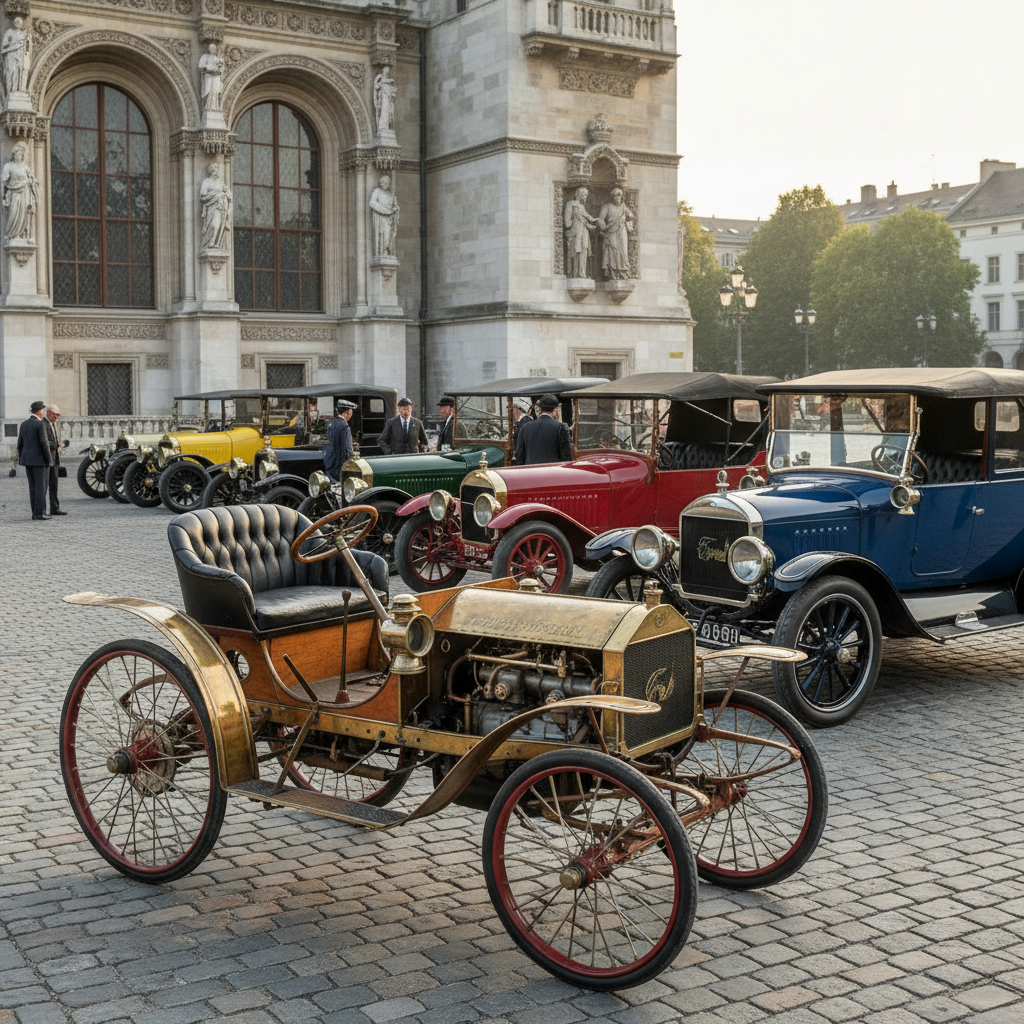
The journey of automotive development, as highlighted in the recent overview, began with revolutionary steps that paved the way for the vehicles now celebrated as timeless classics. Concepts like the steam engine, though initially for industrial use, were adapted for early automobiles, laying the groundwork for self-propelled transport. The subsequent rise of the internal combustion engine truly ignited the industry, leading to mass production and making cars accessible to a wider public. These early machines, often rudimentary by today's standards, represent the genesis of automotive design and engineering, inspiring an enduring fascination among collectors for their raw charm and historical significance. Understanding these initial leaps allows us to appreciate the rudimentary elegance of pre-war and early post-war classics, whose character is deeply tied to the innovative spirits of their creators.
Evolving the Experience: Comfort, Performance, and Collectibility

As the automotive world progressed, innovations moved beyond mere propulsion to enhance comfort, convenience, and performance, directly influencing the characteristics that make certain vehicles highly sought-after classics today. The introduction of automatic transmission, for instance, first developed in 1921, revolutionized the driving experience by simplifying control and allowing drivers to focus more on the road. This advancement ushered in an era of smoother, more accessible motoring, making cars from the mid-20th century, equipped with these early automatics, distinct collector's items. Similarly, the advent of cruise control in the 1940s, while initially unpopular, is now standard and contributes to the long-distance touring appeal of many classic grand tourers and luxury sedans.
These developments weren't just about functionality; they sculpted the very identity of different classic eras. A 1960s American muscle car, for example, is often defined by its powerful V8 engine paired with either a robust manual or an early automatic transmission, each offering a unique driving sensation cherished by enthusiasts. The engineering choices of yesteryear, from suspension designs to braking systems, all contribute to the distinct personality and driving dynamics that collectors seek. The recent article on automotive innovations underscores how each breakthrough, from the refinement of engines to the integration of advanced safety features, not only pushed the boundaries of what was possible but also solidified the historical narrative and desirability of the cars we now meticulously restore and showcase at concours events globally.
The Enduring Legacy of Ingenuity
The retrospective on automotive innovations reminds us that every classic car is a testament to an era of groundbreaking engineering. From the earliest electric starters that eliminated the need for hand cranks to the continuous evolution of engine efficiency and occupant safety, these milestones form the backbone of automotive history. For the classic car community, this historical context is invaluable. It’s not just about the aesthetic beauty or the roar of an engine; it’s about appreciating the journey of innovation that transformed simple machines into cultural icons. As the portal ClassicsGram observes these fundamental shifts, it reinforces the understanding that the passion for classic cars is deeply intertwined with a reverence for the ingenuity and tenacity of those who shaped the vehicles we celebrate today. It is this continuous legacy of innovation that ensures classic cars will always remain more than just transportation – they are rolling pieces of history, engineering marvels, and enduring cultural artifacts.