National Historic Vehicle Register Immortalizes Ten More Automotive Icons
The United States' commitment to preserving its rich automotive heritage has taken another significant step forward with the recent announcement of the final ten vehicles to be added to the National Historic Vehicle Register. This latest installment brings the total number of recognized automobiles of exceptional cultural and historical significance to 37, each a testament to American ingenuity, design, and societal impact. The Register serves as a vital record, ensuring that the stories behind these wheeled marvels continue to resonate for generations to come.
A Legacy of Wheels and Stories
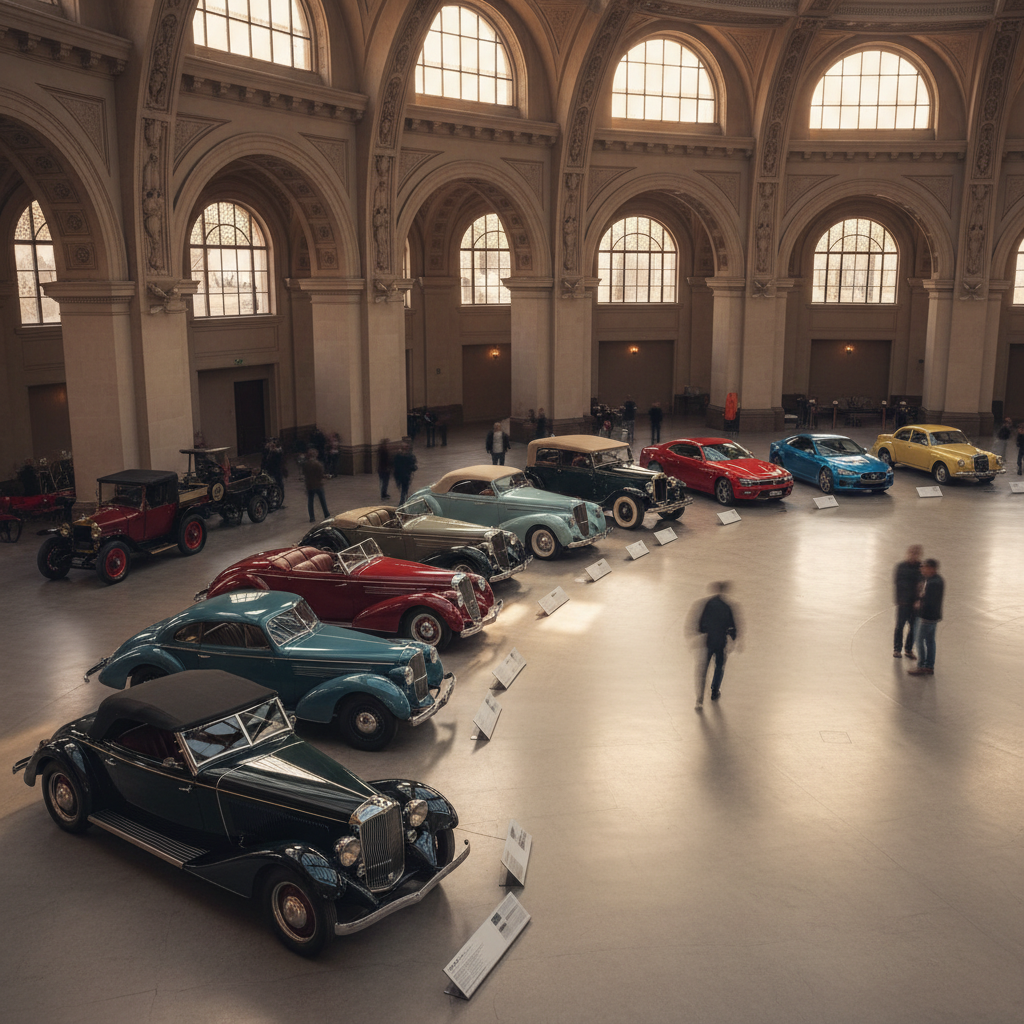
Initiated as a partnership between the Historic Vehicle Association (HVA) and the U.S. Department of the Interior, the National Historic Vehicle Register aims to document and preserve America's most historically important automobiles, motorcycles, and commercial vehicles. Its mission goes beyond mere mechanical preservation; it seeks to capture the narratives these vehicles embody—tales of innovation, engineering ambition, cultural shifts, and even Hollywood glamour. Each addition to the Register undergoes a rigorous evaluation process to ensure it meets stringent criteria for historical significance, representing a crucial piece of American history. For an international audience, understanding the Register is akin to recognizing national treasures, but with an automotive twist, highlighting how cars have shaped national identity and progress.
The selection process ensures a diverse representation, reflecting the broad spectrum of America's relationship with the automobile. This includes vehicles that broke technological barriers, those that became symbols of cultural rebellion or societal trends, and even those with significant connections to famous personalities or pivotal events. The Register, therefore, is not just a list of rare cars, but a curated collection of artifacts that tell the ongoing story of a nation's evolution through its vehicles. These vehicles offer tangible links to bygone eras, showcasing how automotive design, technology, and society itself have transformed over the decades.
The Latest Icons: Celebrating Diverse Contributions
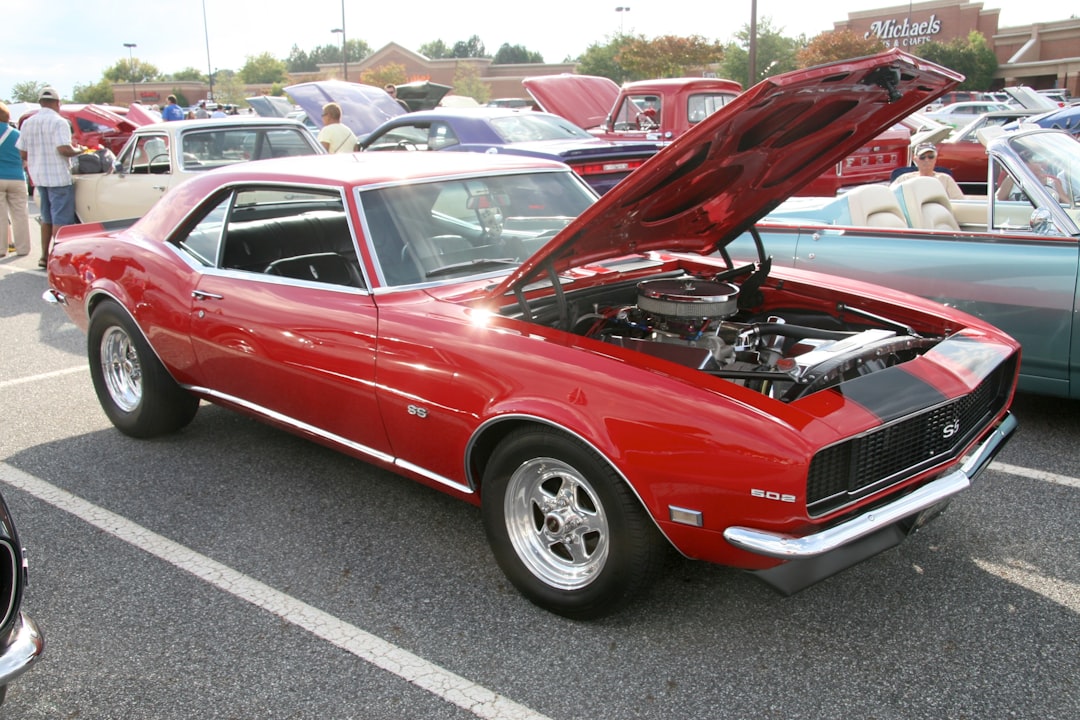
The ten newly recognized vehicles, while not all individually detailed in the announcement, collectively reinforce the Register's diverse scope. Among the notable additions highlighted is the inaugural production example of Chevrolet's legendary answer to the Ford Mustang: the 1967 Chevrolet Camaro, identified by a VIN ending in 001. This vehicle alone speaks volumes about the fierce rivalry and innovation that characterized the American muscle car era, becoming a symbol of youth and rebellion.
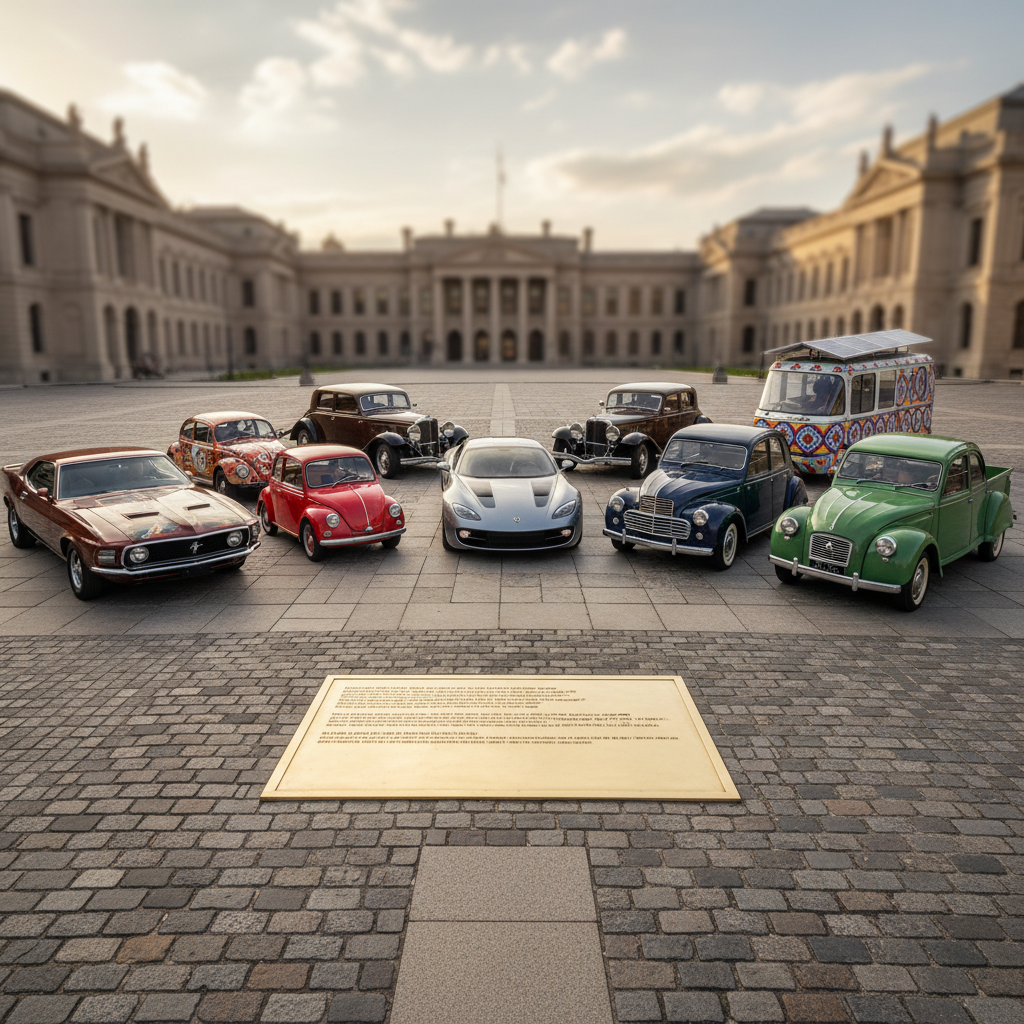
Beyond specific models, the Register's latest additions, like those before them, encapsulate narratives of motorsport triumphs, the golden age of Hollywood where cars became stars themselves, and everyday vehicles that profoundly influenced the lives of ordinary Americans. They serve as tangible links to our past, allowing enthusiasts and historians alike to explore the ingenuity and craftsmanship of earlier eras. These stories underscore the profound and enduring relationship between Americans and their automobiles, a bond shaped by freedom, adventure, and the pursuit of progress.
Driving Forward: Preserving Heritage for Future Generations
The completion of the current list of 37 vehicles on the National Historic Vehicle Register marks a significant milestone in automotive preservation. It’s a powerful affirmation that classic cars are far more than mere transportation; they are cultural icons, engineering marvels, and storytellers. By formally recognizing these vehicles, the Register not only safeguards their physical existence but also ensures that their historical and cultural significance is documented and shared. This initiative plays a crucial role in inspiring new generations of enthusiasts, mechanics, and historians to appreciate, study, and continue the legacy of automotive excellence. As the world moves towards new automotive technologies, preserving these heritage vehicles offers a vital connection to the foundational spirit of motoring and its immense cultural impact.