Nostalgia on Wheels: Why Classic Cars Endure as Cultural Icons
In an era dominated by relentless technological innovation, automation, and the pervasive influence of artificial intelligence, the enduring affection for classic cars might appear to be a charming paradox. Yet, these vintage vehicles continue to captivate a diverse audience of collectors, dreamers, and enthusiasts across generations. They transcend their mechanical origins, serving instead as profound vessels of memory, emotion, and identity, deeply embedded within our cultural fabric.
The Enduring Appeal of Automotive Heritage
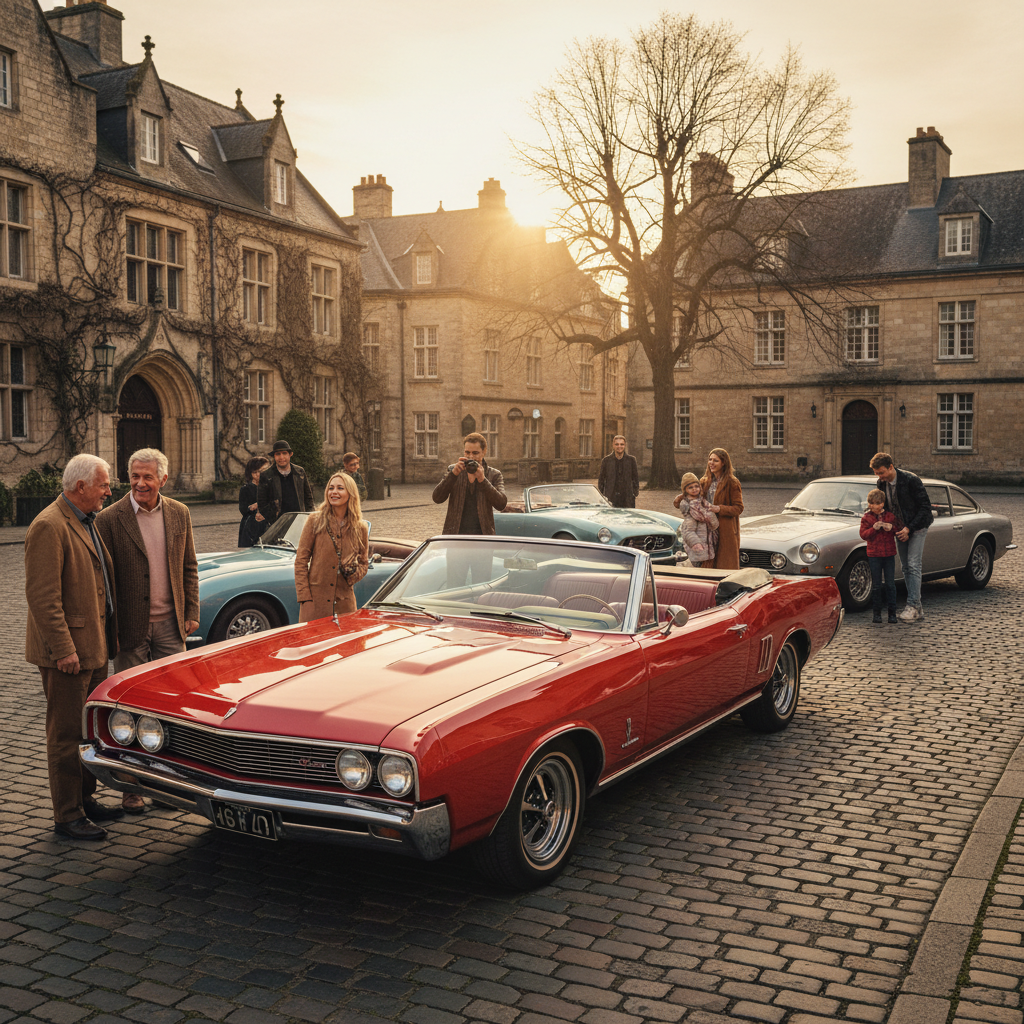
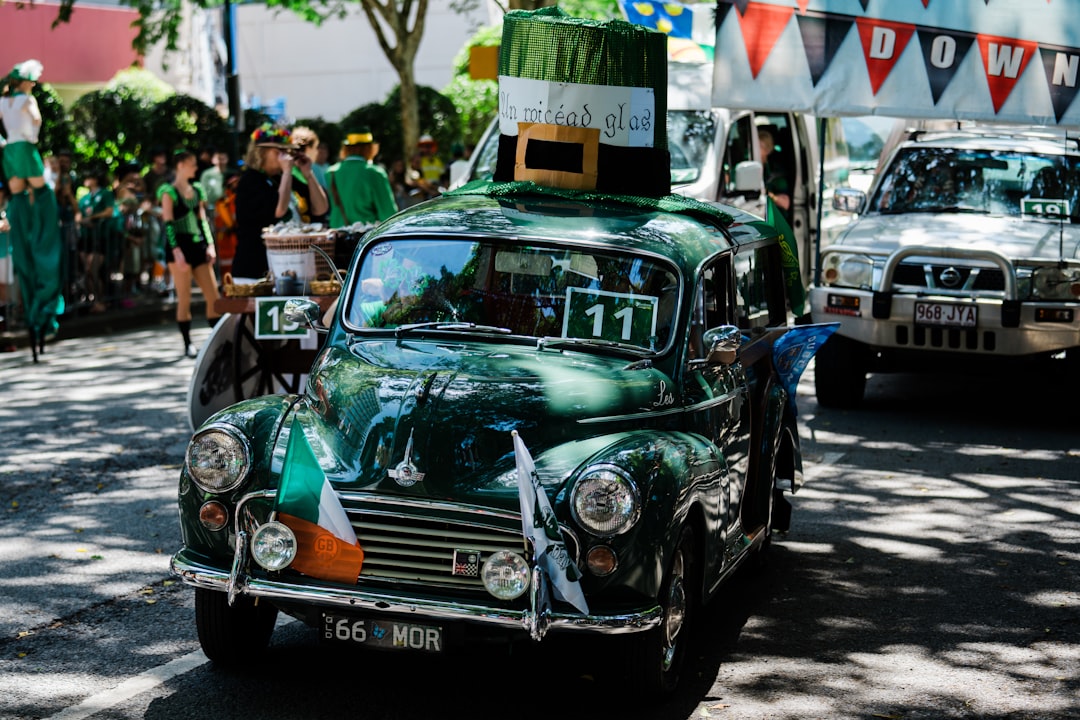
Classic cars are more than just modes of transport; they are tangible links to a bygone era, preserving the aesthetic and engineering philosophies of their time. The very design of these automobiles acts as a form of memory, with their distinctive curves, gleaming chrome, and meticulous craftsmanship harking back to a period when cars possessed unique, almost anthropomorphic 'faces'. Each subtle mark and imperfection tells a story, a testament to time's passage, giving the object an authenticity often lacking in contemporary mass-produced goods.
This deep connection explains why restoration workshops often resemble artistic studios rather than mere repair facilities. The act of restoring a classic car becomes a meticulous process of cultural archaeology, demanding patience, an acute attention to detail, and a genuine empathy for its historical context. It’s a pursuit that bridges generations, allowing older drivers to relive personal memories—perhaps a first love, cherished family trips, or youthful aspirations. For younger enthusiasts, classic cars offer a rare sense of authenticity in an increasingly digital and ephemeral world.
More Than Metal: Community and Conscious Driving
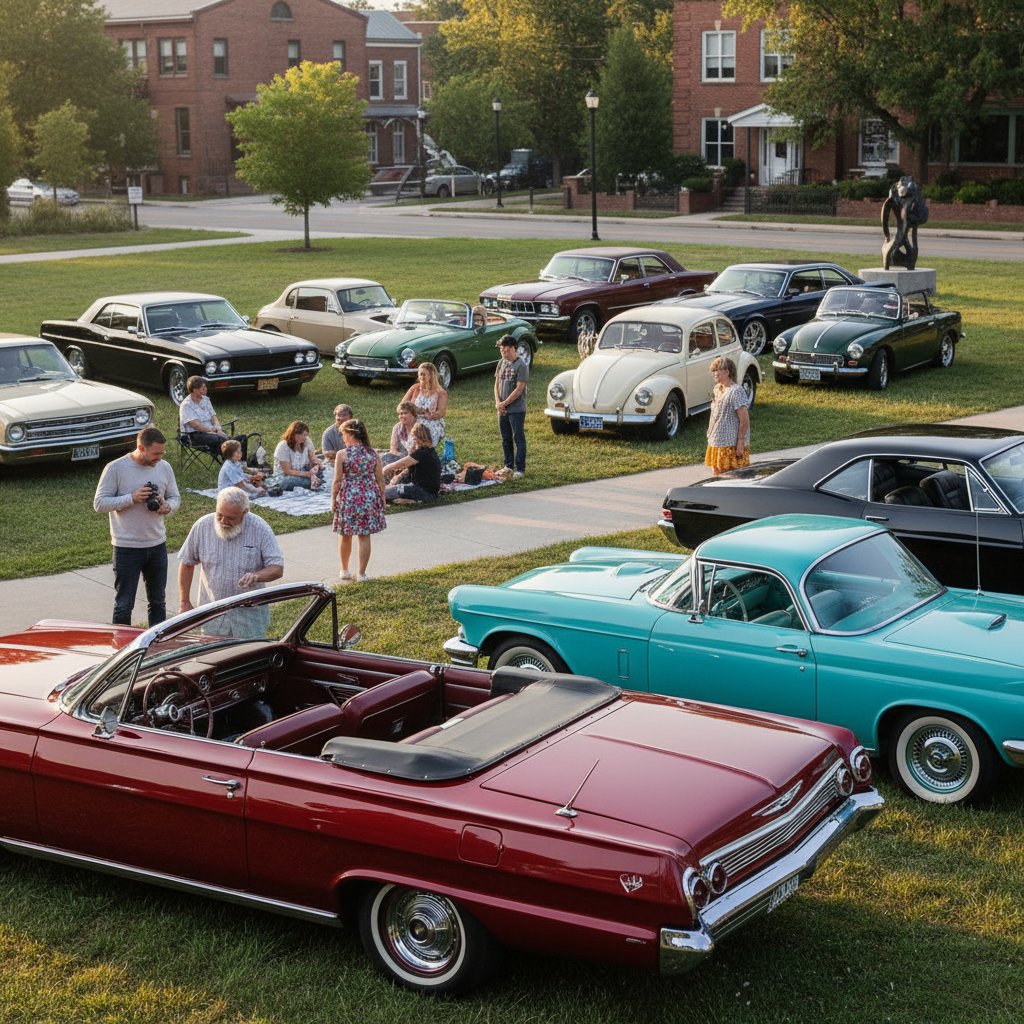
The allure of classic cars also fosters vibrant social memory networks. Communities coalesce around a shared passion that goes beyond mere performance metrics, creating spaces for collective emotion at events, rallies, and through collaborative restoration projects. This collective nostalgia transforms into a living culture, proving that the past, far from being dead, continues to resonate powerfully in the present. As one observer, Zaslavsky, notes, “Every generation rediscovers nostalgia in its own way. For some, it's the sound of an engine. For others, it's the craftsmanship — the idea that something built decades ago can still move, breathe, and inspire.”
Owning or even simply admiring a vintage vehicle often signifies a deliberate resistance to the culture of disposability. It challenges the modern insistence that everything must be new, optimized, or efficient. In a society increasingly shaped by smartphones and subscription models, the sheer permanence of steel and chrome feels remarkably radical. Furthermore, the experience of driving a classic car is inherently different; it invites a tactile, embodied relationship with technology. The precise engagement of the wheel, the gears, and the clutch demand active participation rather than passive automation. This mindful approach to movement fosters a unique dialogue between human and machine, a profound sense of presence that is a stark contrast to the automated driving experiences of today.
Shaping the Future, Remembering the Past
Even as the automotive world looks to the future, with manufacturers exploring electric conversions for vintage models, the essence of classic car culture adapts. This evolution demonstrates that nostalgia is not a static concept but one that can gracefully merge sustainability with cherished memories. The underlying truth is that the future doesn't necessarily have to erase the past; instead, it can be built upon it, leveraging the emotional intelligence derived from history to design machines that continue to evoke powerful feelings.
Ultimately, classic cars endure not merely because of their age, but because they serve as potent reminders that technology can indeed possess a soul. They represent a vital form of continuity, forging links between generations, preserving distinct aesthetics, and fulfilling the fundamental human need to remember and connect with what once was. Their presence in our modern world is a celebration of design, craftsmanship, and the timeless stories embedded within their very structure.