1908 New York to Paris Race: Legacy Lives On with Schuster's Kin
Automotive history enthusiasts are preparing for a unique event at the Kernersville Auto Museum this April, where the incredible saga of the 1908 New York to Paris Car Race will be brought vividly to life through the eyes of a direct descendant of its legendary winning driver. On April 25, 2026, Jeff Mahl, the great-grandson of George Schuster, will share personal family stories and behind-the-scenes accounts of what remains the longest and most grueling motorsport competition ever conceived.
This special fundraising afternoon aims to celebrate human grit and mechanical innovation, connecting a new generation to a pivotal moment in motoring history. The event will not only feature Mahl’s captivating presentation but also showcase a 1911 Thomas Flyer, a car closely related to the victorious 1907 model, offering attendees a tangible link to the past.
An Unprecedented Automotive Odyssey
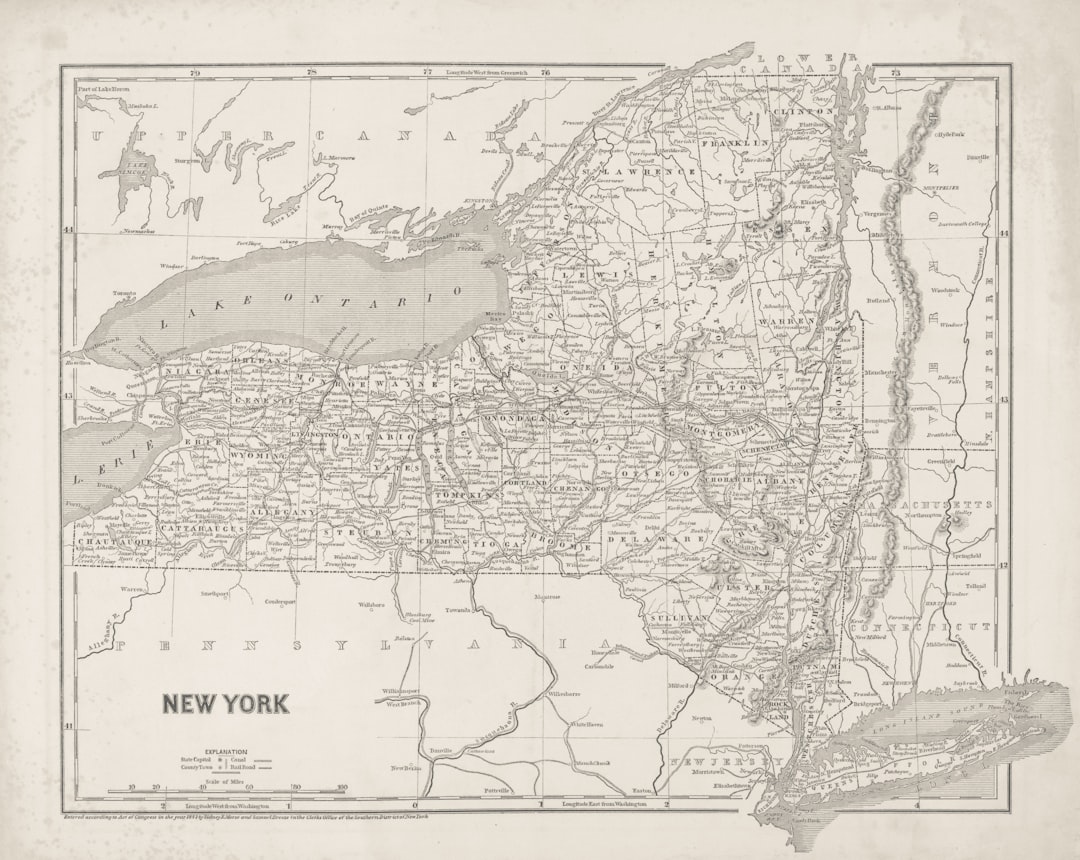
The 1908 New York to Paris Race was an audacious undertaking, spanning over 22,000 miles across three continents and challenging the limits of early automotive engineering and human endurance. Imagine a time when roads were often little more than muddy tracks, navigation was rudimentary, and mechanical breakdowns were a constant threat. Yet, six teams from four nations—America, France, Germany, and Italy—accepted the challenge, setting out from Times Square, New York, on February 12, 1908. Their route would take them across the United States, then by ship to Alaska, over the frozen Bering Strait (a planned, but ultimately unfeasible, leg), through Siberia, across Europe, and finally to Paris.
The race was conceived as a test of the nascent automobile’s reliability and a grand spectacle to capture public imagination, proving that cars were more than just urban curiosities. The international competition drew immense global attention, with newspapers chronicling every arduous mile and unexpected twist. Competitors faced unimaginable hardships: blizzards, treacherous mountains, vast deserts, non-existent roads, and the constant struggle for fuel and spare parts in remote territories. It was a true frontier adventure, pushing man and machine to their absolute breaking point.
George Schuster and the Spirit of the Thomas Flyer
Amidst this monumental challenge, the American team, driving a 1907 Thomas Flyer, emerged victorious. At the heart of their success was George Schuster, the lead driver and chief mechanic, whose unwavering resolve and mechanical prowess were instrumental in navigating the team through countless perils. Schuster’s ability to improvise repairs in the most desolate landscapes, often using makeshift tools and sheer ingenuity, became legendary. The Thomas Flyer, a robust American-built car, proved its mettle under the harshest conditions, embodying the rugged spirit of early American automotive manufacturing. The victory was not merely a triumph of speed but a testament to endurance, strategic planning, and the remarkable bond between a driver and his machine.
The story of the Thomas Flyer, a car that completed the journey in 169 days, reaching Paris on July 30, 1908, is a powerful narrative of human achievement. It showcased to the world that the automobile was capable of long-distance travel and could conquer virtually any terrain, paving the way for future automotive development and exploration.
Preserving History Through Living Narratives
Events like the upcoming presentation at the Kernersville Auto Museum are vital for preserving the rich tapestry of automotive history. By hosting Jeff Mahl, the museum offers a rare opportunity to hear directly from a family member who grew up with the stories and anecdotes of this epic race. This ‘living history’ approach provides a depth and authenticity that traditional exhibits alone cannot fully capture. Attendees will gain insights into the personal struggles, triumphs, and the sheer force of will that defined George Schuster and his team.
The event also serves as a crucial fundraiser for the museum's ongoing preservation and educational programs, ensuring that these incredible stories and the vehicles themselves continue to inspire future generations of automotive enthusiasts, engineers, and adventurers. It reminds us that behind every iconic vehicle and legendary race, there are extraordinary individuals whose courage and innovation continue to resonate today, underscoring the enduring appeal of automotive heritage.