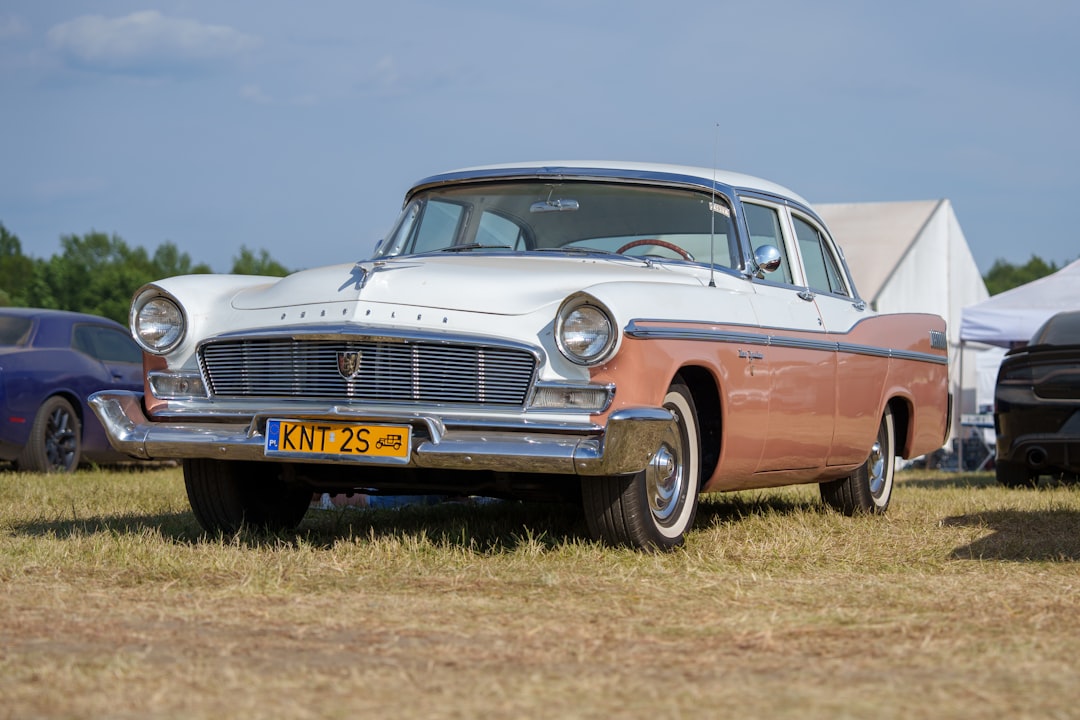
A Glimpse into Tomorrow: Remembering the Chrysler Turbine Car's Daring Legacy
In the ever-evolving narrative of automotive history, certain vehicles stand as audacious leaps of faith, bold experiments that dared to redefine the future of propulsion. Today, May 15th, marks a fitting occasion to reflect on one such icon: the Chrysler Turbine Car. This engineering marvel, a symbol of mid-20th-century American ingenuity and optimism, continues to captivate enthusiasts and historians alike with its revolutionary design and groundbreaking technology.
Chrysler's Jet-Age Ambition

The 1960s were a period of rapid technological advancement and a thirst for innovation, and the automotive industry was no exception. Chrysler, a company known for its engineering prowess, embarked on an ambitious program to bring gas turbine technology from the realm of aviation into the everyday automobile. The vision was compelling: an engine with fewer moving parts, smoother operation, multi-fuel capability, and a distinctive jet-like whine. This wasn't merely a concept relegated to a design studio; Chrysler built 55 Turbine Cars between 1963 and 1964, undertaking one of the most extensive consumer tests in automotive history.
These distinctive cars, with their Ghia-designed bodies, were distributed to 203 American families for three-month periods, allowing Chrysler to gather invaluable real-world feedback. The program aimed to assess the practicality, reliability, and public acceptance of turbine-powered vehicles. Drivers praised the car's smooth acceleration, quiet idle, and lack of vibration. The ability to run on various fuels, from unleaded gasoline to diesel, kerosene, and even peanut oil, showcased the engine's remarkable versatility, a concept far ahead of its time in an era dominated by gasoline. The distinctive exhaust note, often likened to a jet engine, added to its futuristic appeal, turning heads wherever it went.
Challenges and Legacy of a Visionary Project
Despite its revolutionary promise and the initial enthusiasm from test drivers, the Chrysler Turbine Car ultimately faced insurmountable challenges that prevented its mass production. Emissions, particularly nitrogen oxides, proved difficult to control with the technology available at the time. Fuel consumption, especially at idle, was also higher than conventional piston engines, and manufacturing costs were prohibitive dueating to the exotic materials required for the high-temperature turbine components. Regulatory hurdles and the substantial investment needed to retool production lines further contributed to its eventual demise.
In a decision that remains controversial among classic car aficionados, Chrysler recalled most of the Turbine Cars at the conclusion of the testing program, with 46 out of the 55 vehicles being crushed. This controversial act was reportedly undertaken to avoid import duties on the Ghia-built bodies and to prevent the cars from falling into the hands of competitors who might reverse-engineer the technology. Today, only nine examples of the Chrysler Turbine Car survive, seven of which are housed in museums, serving as poignant reminders of a bygone era of fearless experimentation. Their rarity and unique place in automotive lore make them highly coveted artifacts of engineering history.
The Chrysler Turbine Car program, while not commercially successful, left an indelible mark on automotive engineering. It pushed the boundaries of what was thought possible, demonstrating a tangible alternative to the internal combustion engine decades before hybrid and electric vehicles became mainstream considerations. It stands as a testament to the daring spirit of innovation that characterized the golden age of American automotive design and engineering, inspiring future generations to continue questioning conventions and exploring new frontiers in mobility.