UK Historic Vehicle Movement Edges Closer to UNESCO 'Living Heritage' Status
In a significant development for the global automotive heritage community, the Federation of British Historic Vehicle Clubs (FBHVC) has received initial approval from UNESCO to advance its application for the UK’s historic vehicle movement to be recognized as an official example of Intangible Cultural Heritage. This landmark step, announced earlier this year, marks a crucial moment for enthusiasts and custodians of classic automobiles, potentially securing the future preservation and active enjoyment of vintage vehicles across the United Kingdom and setting a precedent internationally.
The FBHVC's initiative aligns with the 2003 UNESCO Convention for the Safeguarding of the Intangible Cultural Heritage, legislation that the UK formally supported in 2024. Should the full application be successful, Britain’s vibrant classic vehicle culture would join esteemed practices such as bell-ringing, pantomime, and dry-stone walling in the UK's official living heritage inventory. This recognition extends beyond mere cultural appreciation, offering a robust framework for protection and sustainability in an evolving world.
A Landmark Step for Automotive Preservation
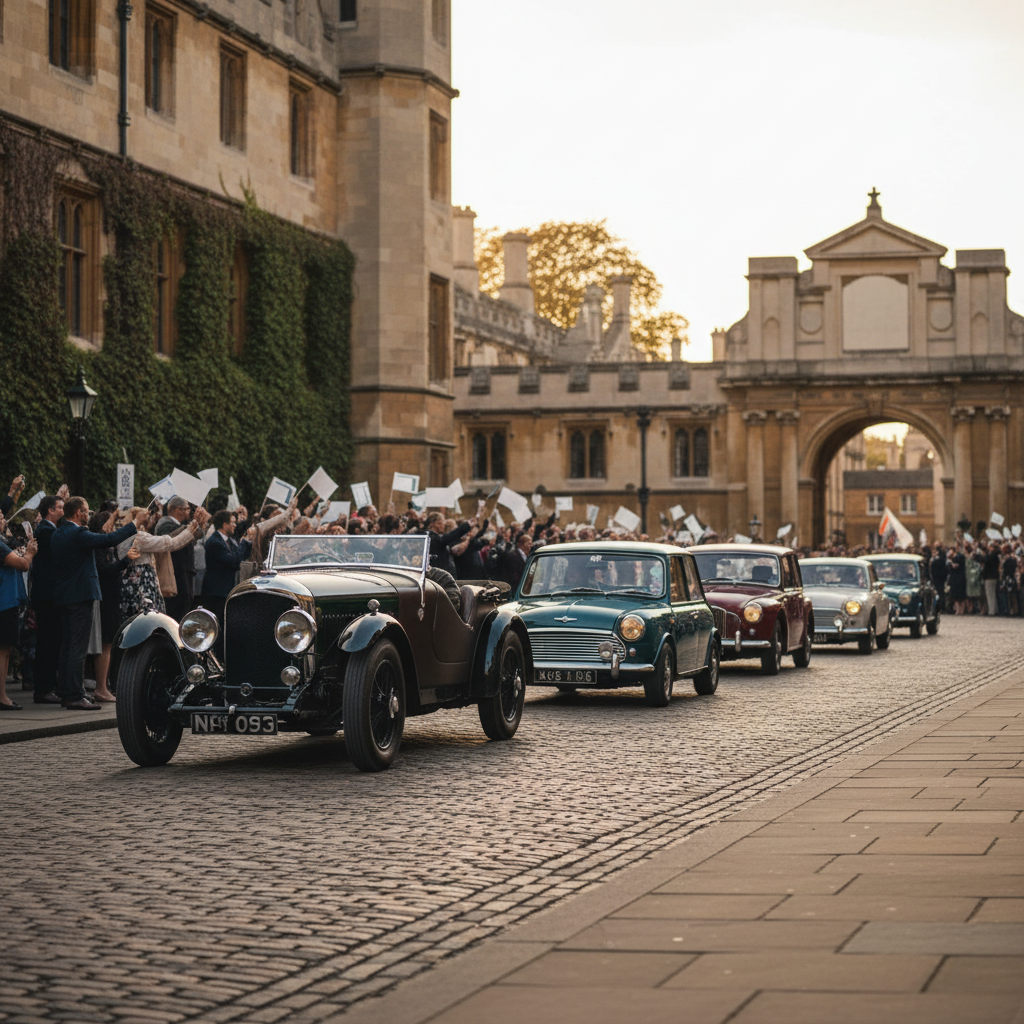
The pursuit of UNESCO Intangible Cultural Heritage (ICH) status is a testament to the dedication of countless individuals and organizations committed to the historic vehicle movement. David Whale, chairman of the FBHVC, has described this initial approval as “an exciting prospect indeed,” underscoring the culmination of decades of tireless work by clubs and enthusiasts. The historic vehicle movement in the UK is far more than just collecting old cars; it encompasses a rich tapestry of skills, traditions, and community engagement. From specialized restoration techniques and mechanical expertise passed down through generations to the vibrant social gatherings and educational events, it represents a living, breathing aspect of cultural identity.
For an international audience, it's vital to understand the depth of this movement. The UK's historic vehicle sector is a dynamic ecosystem, supporting numerous small businesses, skilled craftspeople, and a vast network of clubs. The FBHVC estimates that approximately 4.3 million people annually attend events hosted by its 534 member clubs. This highlights not only the sheer scale of the community but also its significant economic and social contributions. The vehicles themselves, whether a pre-war grand tourer, a post-war family saloon, or a classic sports car, are seen as mobile museums, telling stories of engineering, design, and societal change.
Protecting a Living Legacy
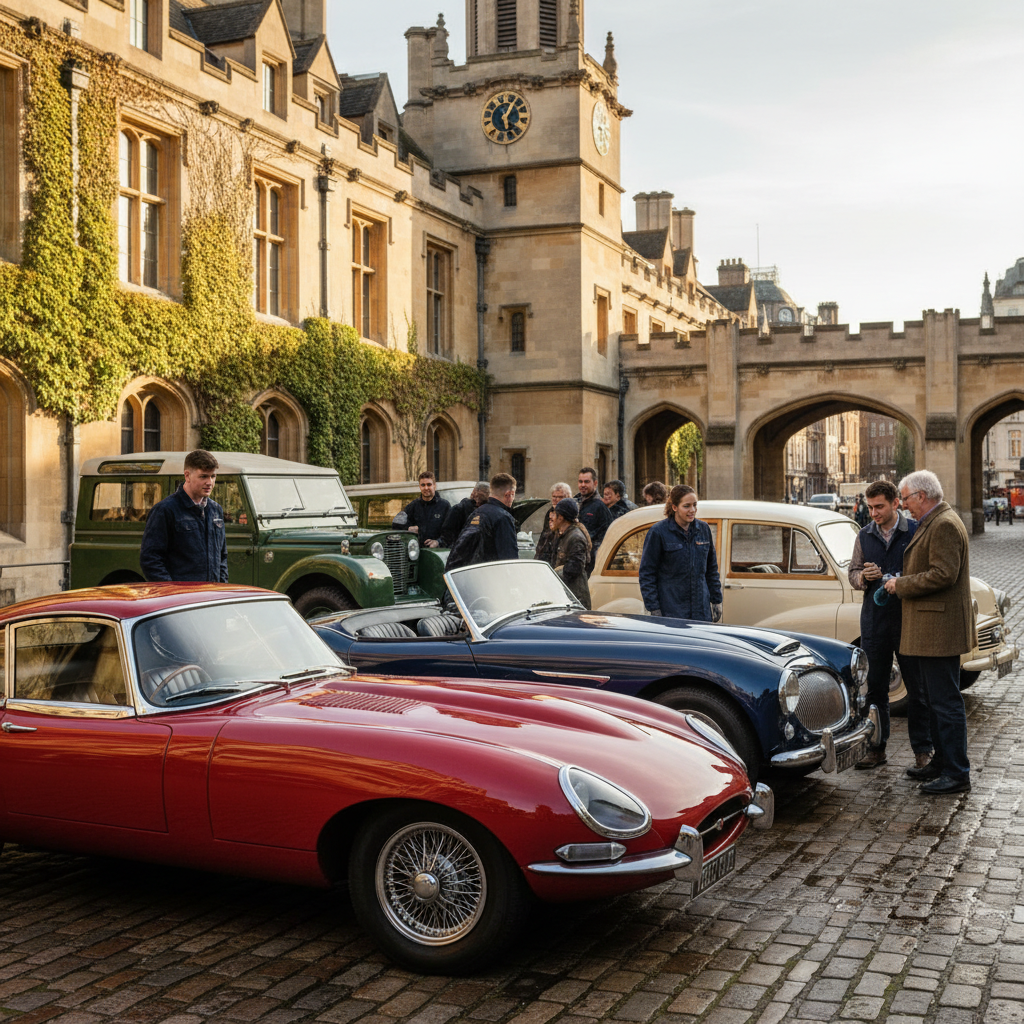
One of the most compelling arguments for UNESCO recognition is its potential to safeguard the historic vehicle movement against future legislative challenges. In an era increasingly focused on environmental regulations and the shift towards electric and autonomous vehicles, concerns have grown among enthusiasts about the long-term viability of owning and using older, internal combustion engine vehicles on public roads. Formal UNESCO recognition would provide a powerful endorsement of historic motoring's value as a legitimate cultural activity.
This status could strengthen arguments against unduly restrictive legislation, helping to ensure that vintage vehicles can continue to be used and enjoyed by future generations. It would acknowledge the inherent value in maintaining the skills required for restoration and maintenance, and in continuing the traditions of rallies, shows, and club activities. As the UK's Authorized National Federation (ANF) for FIVA (the Fédération Internationale des Véhicules Anciens), the FBHVC has leveraged its connections with the global body, which itself is recognized as a UNESCO cultural partner, to advance this crucial application. This international alignment further solidifies the argument for the profound cultural significance of historic vehicles.
Ultimately, this move towards UNESCO Intangible Cultural Heritage status for the UK's historic vehicle movement is a beacon of hope for classic car enthusiasts worldwide. It underscores the importance of preserving not just the machines themselves, but the knowledge, craftsmanship, and community spirit that keep automotive history alive and roaring on our roads.