Unearthing Italy's Grandeur: Lost Isotta Fraschini Archives Digitized
A monumental trove of historical documents, including previously unseen factory photographs and intricate design blueprints from the revered Italian luxury marque Isotta Fraschini, has been recently digitized and made publicly accessible. Announced by the Milan Automotive Heritage Institute, this significant undertaking offers enthusiasts and historians an unprecedented window into the meticulous craftsmanship, pioneering engineering, and design philosophy that defined one of Italy's most prestigious automotive names during its golden era. This public release is set to redefine our understanding of the brand's contribution to automotive history, bringing forgotten details to light.
A Glimpse into Automotive Aristocracy
Founded in Milan in 1900 by Cesare Isotta and the brothers Vincenzo, Antonio, and Oreste Fraschini, Isotta Fraschini quickly established itself as a producer of high-performance luxury automobiles, as well as trucks and marine and aviation engines. Initially, the company assembled cars similar to Renaults, powered by Aster engines, before introducing its own branded car in 1904.
The marque gained international recognition for its technological advancements and opulent vehicles. Isotta Fraschini was among the early pioneers to adopt four-wheel brakes, following their invention in 1909, and was at the forefront of overhead-camshaft (OHC) engine design.
Perhaps its most iconic contribution was the Tipo 8, introduced at the Paris Salon in 1919 and delivered to customers in 1920, which was the first production automobile to be powered by a straight-eight engine.
During the Roaring Twenties, Isotta Fraschini strategically targeted the burgeoning wealthy class in the United States, marketing deluxe limousines to a new American aristocracy that included celebrity clients like Rudolph Valentino and Clara Bow.
The company's commitment to bespoke luxury meant that cars were often sold as bare chassis, allowing renowned coachbuilders such as Castagna, Touring, and Zagato to create custom bodies, making each vehicle a unique work of art.
Despite its early successes and prestige, Isotta Fraschini was significantly impacted by the economic crisis of the 1930s and World War II, eventually ceasing car production in 1949 and shifting focus to marine engines.
Unlocking History: The Power of Digitization
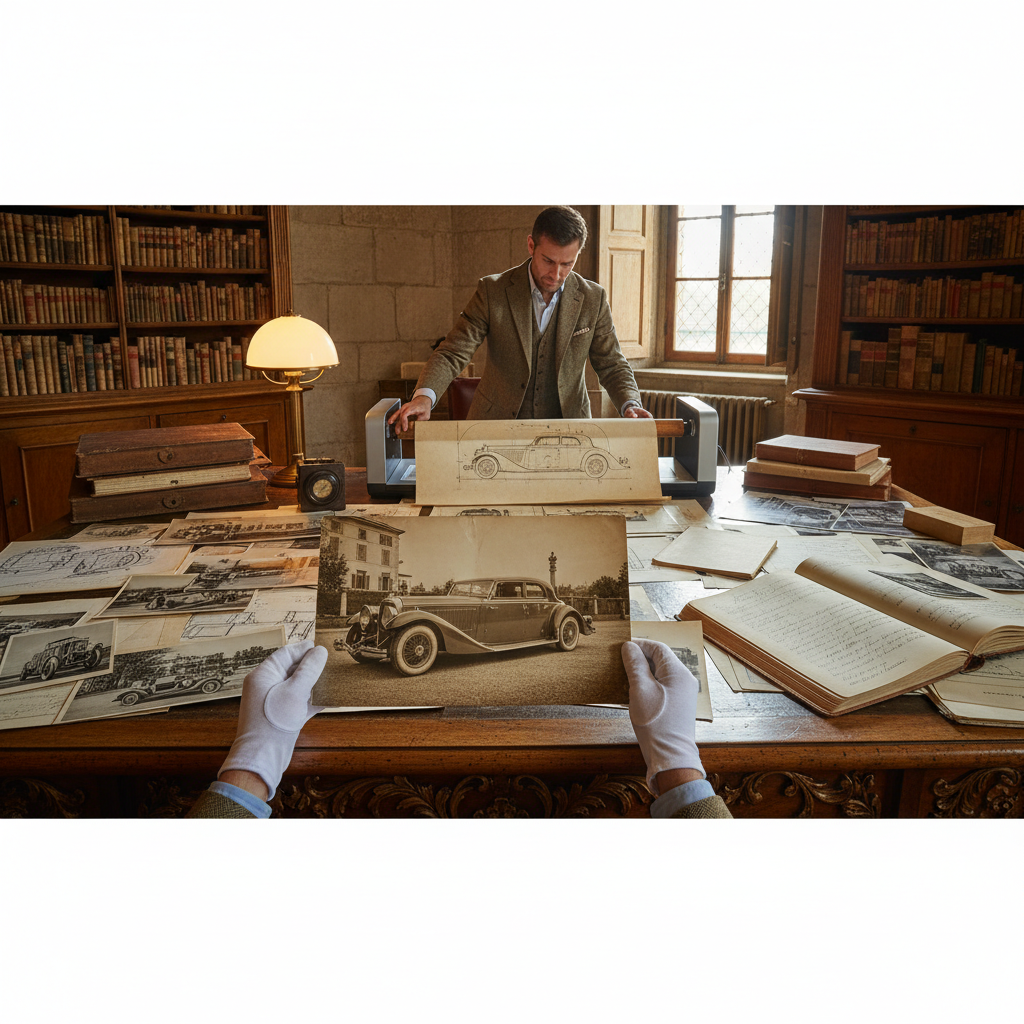
The digitization of historical automotive archives, like the recently unveiled Isotta Fraschini collection, plays a crucial role in preserving the legacy of automotive pioneers and iconic marques. Such initiatives transform analog documents, often vulnerable to decay and loss, into digital formats, ensuring their longevity and accessibility for future generations.
These digital repositories are invaluable for researchers, historians, and classic car enthusiasts alike. They provide direct access to primary sources such as design sketches, technical drawings, internal memos, and factory photographs that offer unparalleled insights into the design process, engineering challenges, and marketing strategies of their time.
The ability to access these detailed historical records online facilitates deeper research, allows for accurate restorations, and helps confirm the provenance and authenticity of surviving vehicles. Without such efforts, much of the rich narrative behind these automotive masterpieces would remain hidden, potentially lost to time.
Experts highlight that digitization also enhances discoverability through advanced metadata and search functions, enabling connections and insights that might be missed in physical archives. This technological leap allows us to reconstruct the stories of cars, designers, and pivotal moments with greater precision and detail, enriching the collective understanding of automotive heritage worldwide.
The release of the Isotta Fraschini archives underscores the ongoing importance of preserving automotive history. It allows us to appreciate not only the beauty and engineering marvels of the past but also the human ingenuity and vision that shaped the world of motoring. This digital collection promises to inspire new research and foster a deeper connection to the grand era of Italian luxury automobiles.