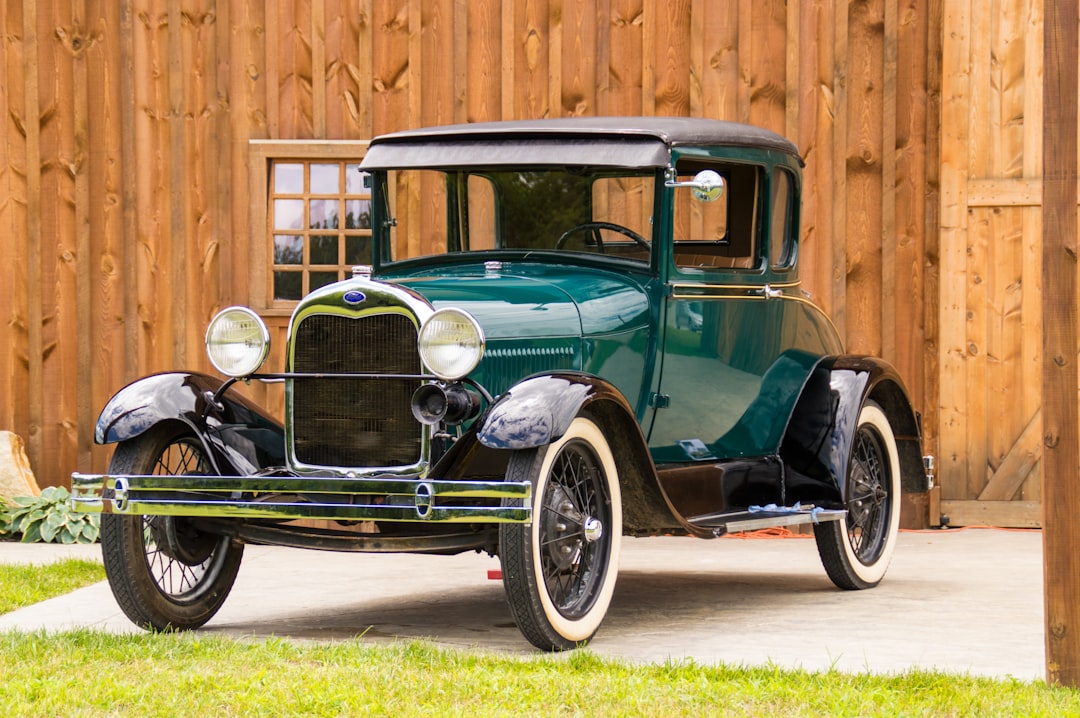
A Timeless Icon Revisited: The Enduring Appeal of the 1933 Ford Model 40
In the ever-evolving world of automotive design and engineering, certain vehicles transcend their era to become enduring symbols of innovation, style, and cultural significance. Among these, the 1933 Ford Model 40 stands out as a quintessential American classic, a machine that continues to captivate enthusiasts nearly a century after its debut. Recently, as the automotive world looks back at its legends, the Model 40 has once again been spotlighted, prompting a fresh appreciation for its legendary attributes in 2026.
Art Deco Elegance Meets American Engineering
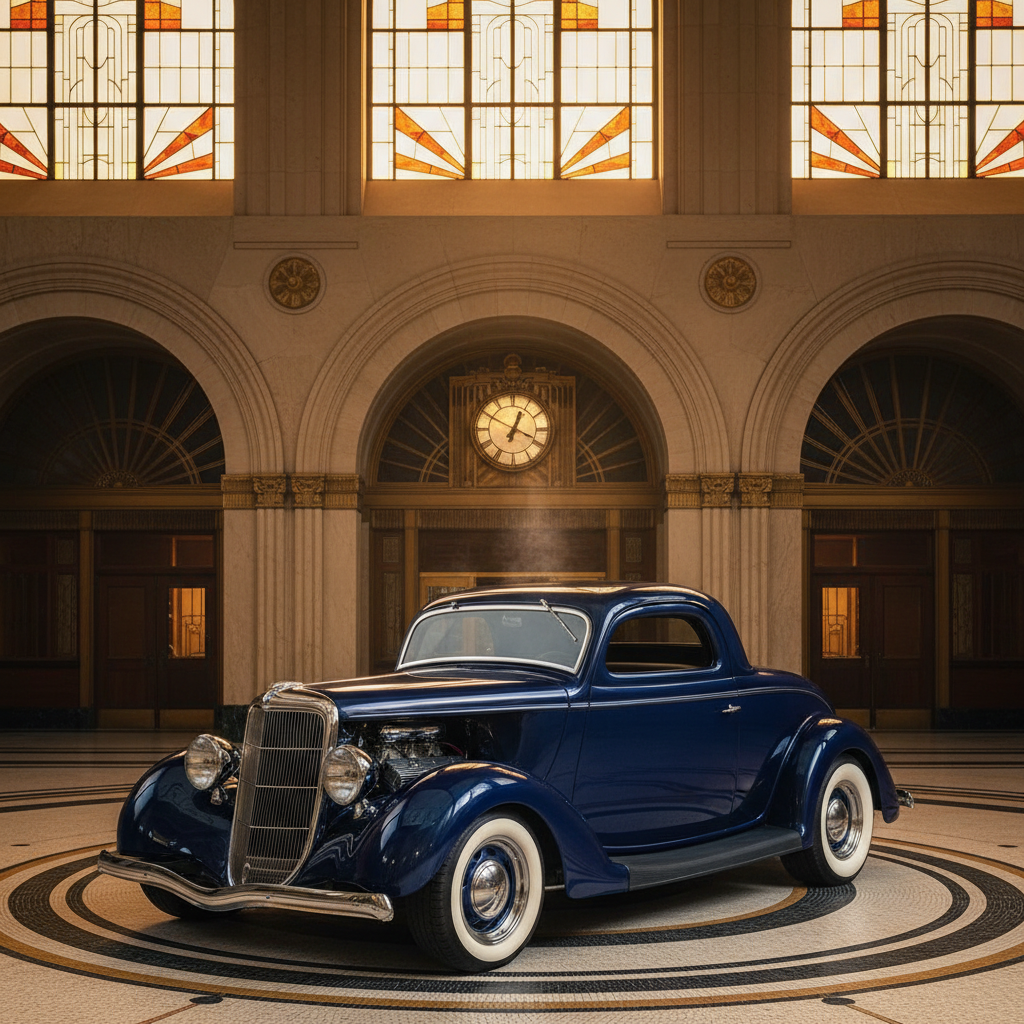
The 1933 Ford Model 40 arrived at a pivotal moment in automotive history, distinguished by its embrace of the Art Deco movement that was sweeping design industries globally. Unlike the more utilitarian and boxy shapes of its predecessors, the Model 40 boasted a sleek, powerful aesthetic characterized by sweeping fenders, a prominent front grille, and a noticeably lower stance. Its curves and smooth lines were not merely stylistic choices; they also contributed to improved aerodynamics, a nascent concept car manufacturers were just beginning to fully appreciate. This blend of visual appeal and functional design set the Model 40 apart, giving it a timeless quality that still turns heads today.
Beyond its striking exterior, the Model 40's allure extended to its interior and the overall driving experience. Ford engineers were not solely focused on aesthetics; they also prioritized comfort and safety. The car featured an improved suspension system, delivering a smoother ride than many of its contemporaries. The enhanced braking system offered drivers greater control, demonstrating Ford's commitment to improving the practical aspects of vehicle operation alongside its advancements in power and design.
The Flathead V8: A Revolution Under the Hood
Perhaps the most revolutionary aspect of the 1933 Ford Model 40 was its powertrain: a 221 cubic inch (approximately 3.6-liter) flathead V8 engine. This engine was nothing short of a game-changer for Ford and the automotive industry at large. Prior to the Model 40, such a level of power—around 75 horsepower—was typically reserved for much more expensive, luxury vehicles. Henry Ford's decision to offer a V8 engine in a mass-produced, affordable car democratized performance, allowing everyday people to experience the thrill of driving a vehicle with substantial power under the hood. This accessibility made the Model 40 an instant favorite among those who sought both performance and value.
The flathead V8's robust design and ample power also contributed to the Model 40's remarkable versatility. Ford offered the car in a wide array of body styles, including coupes, roadsters, sedans, cabriolets, and even station wagons, catering to a diverse clientele ranging from families needing reliable transportation to thrill-seekers desiring a stylish and fast ride. This adaptability, coupled with the engine's inherent modify-ability, made the Model 40 incredibly popular with hot rodders and custom car builders in subsequent decades. Its frame and engine provided a perfect canvas for modifications, further cementing its place in American automotive folklore.
A Symbol of American Resilience
More than just a car, the 1933 Ford Model 40 became a profound symbol of the American spirit during one of the nation's most challenging periods: the Great Depression. Despite widespread economic struggles, the Model 40 offered a tangible source of hope and excitement. It represented progress and offered a glimpse into a future where technology and design would continue to evolve, making the freedom of the open road more accessible than ever before. Its affordability ensured that a broader segment of the population could partake in this automotive dream.
Even today, the 1933 Ford Model 40 continues to be celebrated by car lovers, featuring prominently in hot rod culture and vintage car collections around the world. Its legendary design, powerful V8 engine, and rich history ensure that it remains a true icon of American automotive heritage. The Model 40 is not just a relic of the past; it's a testament to a pivotal moment when mass production met aspirational design and performance, creating a vehicle whose appeal endures across generations.