Beryl: Rediscovering the Engineering Brilliance of a 1969 Rover P6
In the vibrant tapestry of classic automobiles, some cars stand out not just for their beauty, but for the sheer engineering ingenuity embedded within their very core. The Rover P6, a beacon of British automotive innovation, is one such machine. Recently, a particularly captivating 1969 Rover P6, affectionately named "Beryl" and owned by engineer Steven Didbin, has garnered attention, offering a fresh perspective on this often-understated classic. This isn't merely a pristine restoration; it's a meticulously enhanced restomod that amplifies the P6’s inherent strengths, reminding us why it was, and remains, an "engineer's car."
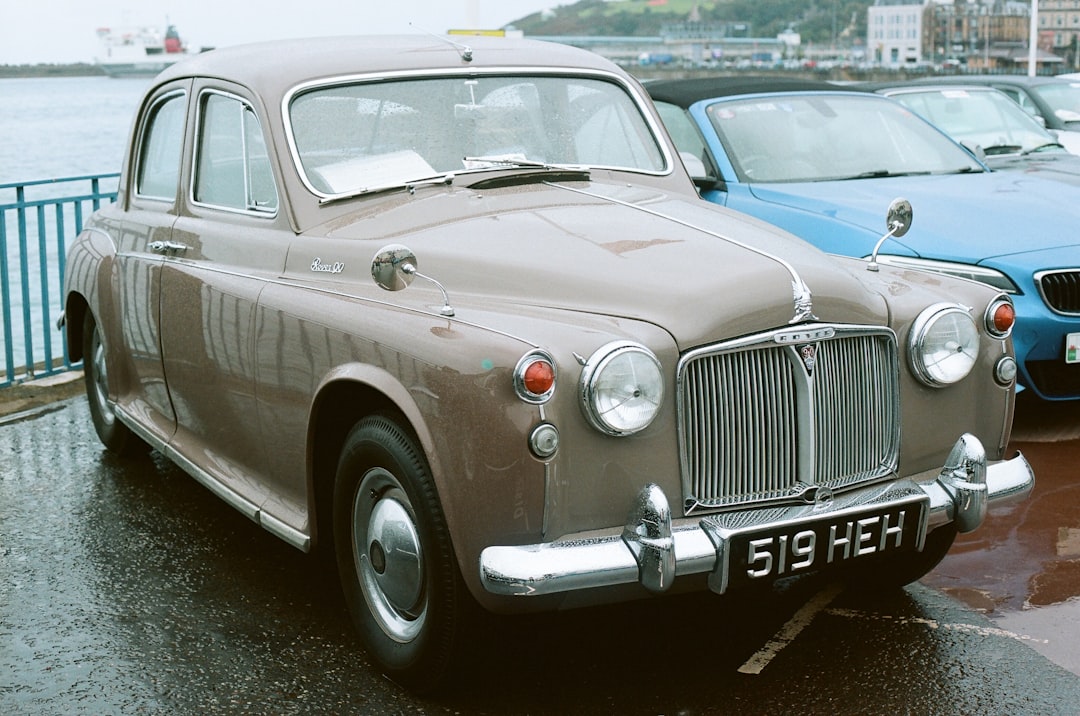
The Rover P6 emerged in an era when British manufacturers were daring to be different. Conceived by a young team of forward-thinking engineers, the P6 was initially designed with a gas turbine engine in mind and even considered a front-wheel-drive layout, showcasing its radical vision. The production model ultimately featured a groundbreaking de Dion rear axle, a distinctive front suspension, and disc brakes on all four wheels – advanced features for its time that underscored a commitment to superior handling and safety. Its design was adventurous yet imbued with common sense, a testament to a philosophy focused on creating a genuinely better car.
A Masterclass in Thoughtful Design
Beyond its mechanical prowess, the P6's interior ergonomics were a marvel. Didbin highlights the subtle yet effective design choices, such as dashboard switches of varying shapes. This allowed drivers to identify and operate controls by feel alone, keeping their eyes firmly on the road – a detail that seems minor but speaks volumes about the car's intelligent, user-centric design. Every aspect of the P6 was carefully considered, culminating in an interesting and cohesive aesthetic package.
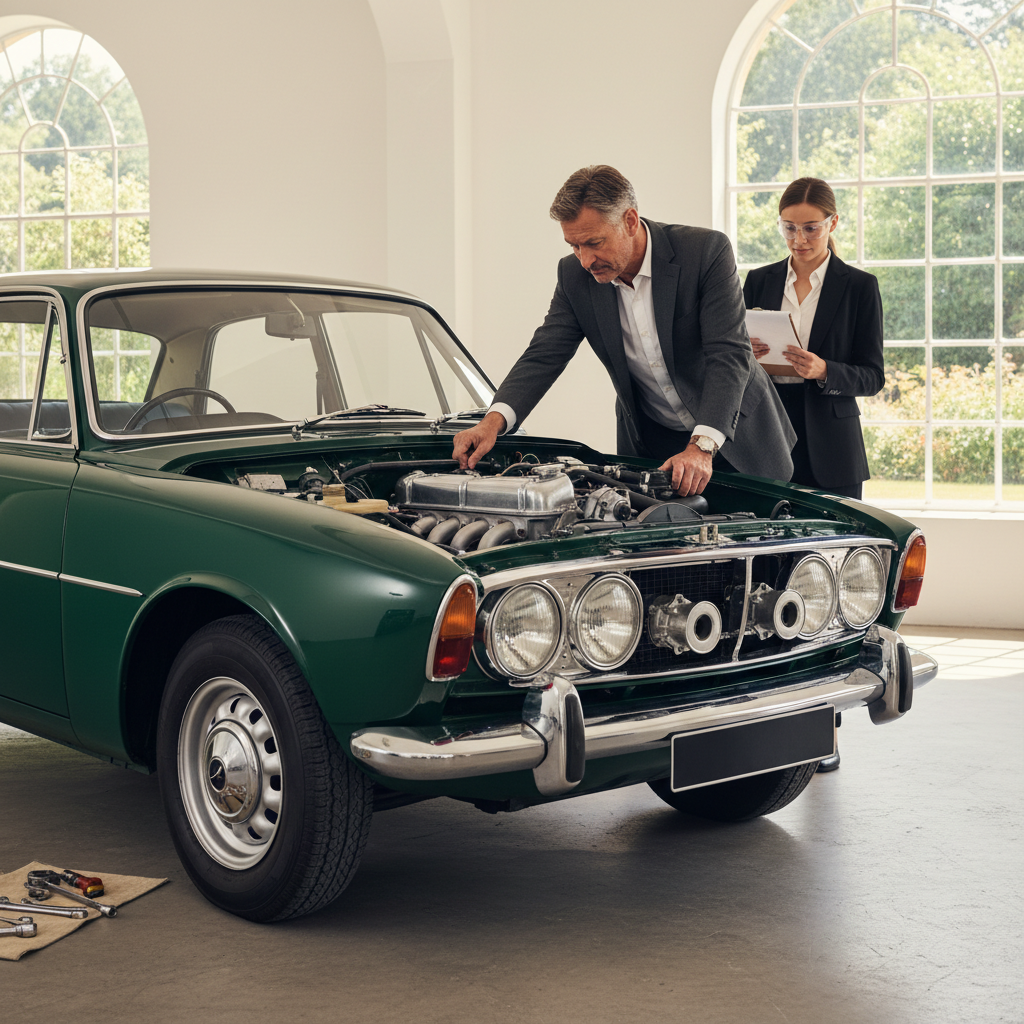
Beryl, Didbin's 1969 P6, embodies this legacy while pushing its capabilities further. For Didbin, an engineer himself, the car presented a new challenge, a classic ripe for thoughtful enhancement. His journey with Beryl began with rectifying previous mechanical oversights, particularly concerning its unique front suspension, which requires specialized Koni shocks valved in reverse. This attention to detail is crucial, as the P6's distinctive suspension layout is integral to its renowned ride and handling characteristics.
The Driving Experience: Balance and Communication

The true essence of Beryl, and indeed any P6, is revealed behind the wheel. Didbin enthusiastically describes the car's handling as "incredibly neutral." Despite its approximately 2,800-pound (roughly 1,270 kg) weight, Beryl isn't conceived as a track weapon, but it possesses a remarkable agility. A standout feature is its braking system, which Didbin rates among the best he has experienced in any car, classic or modern. This exceptional stopping power provides immense confidence, allowing the driver to fully explore the car's dynamic capabilities.
Perhaps most importantly, Beryl offers a profoundly communicative chassis. "It's a very talkative chassis," Didbin explains. "If you are doing things wrong, it tells you 'If you carry on like this, my backend is going to come out, so you should probably be thinking about that now.' But it gives you time before it does anything silly." This feedback loop is a cherished quality in classic motoring, offering a tactile connection between driver and machine that modern cars often struggle to replicate. It grips confidently, and even if a cornering line isn't perfectly executed, the car allows for easy correction, making the driving experience both forgiving and deeply engaging.
The Art of the Unseen Restomod
Beryl represents the ideal of the "unseen restomod" – subtle upgrades that modernize reliability and performance without visually altering the classic's spirit. Such modifications often include improved cooling systems, higher-amperage alternators to support modern electronics, and upgraded lighting, all integrated seamlessly. While the specifics of Beryl's engine internals have been "massaged and improved" for the racing season, the overarching philosophy is to enhance the car's inherent qualities, rather than fundamentally change its character. This approach allows enthusiasts to enjoy the timeless design and engaging mechanics of a classic, coupled with the usability and confidence of more contemporary components.
For enthusiasts globally, Beryl's story is a compelling reminder of the Rover P6's enduring appeal. It stands as a testament to intelligent engineering and thoughtful design, proving that a classic car, when properly understood and subtly enhanced, can offer a driving experience that remains as rewarding and relevant today as it was half a century ago. It’s a celebration of a bygone era's ingenuity, brought confidently into the modern age.