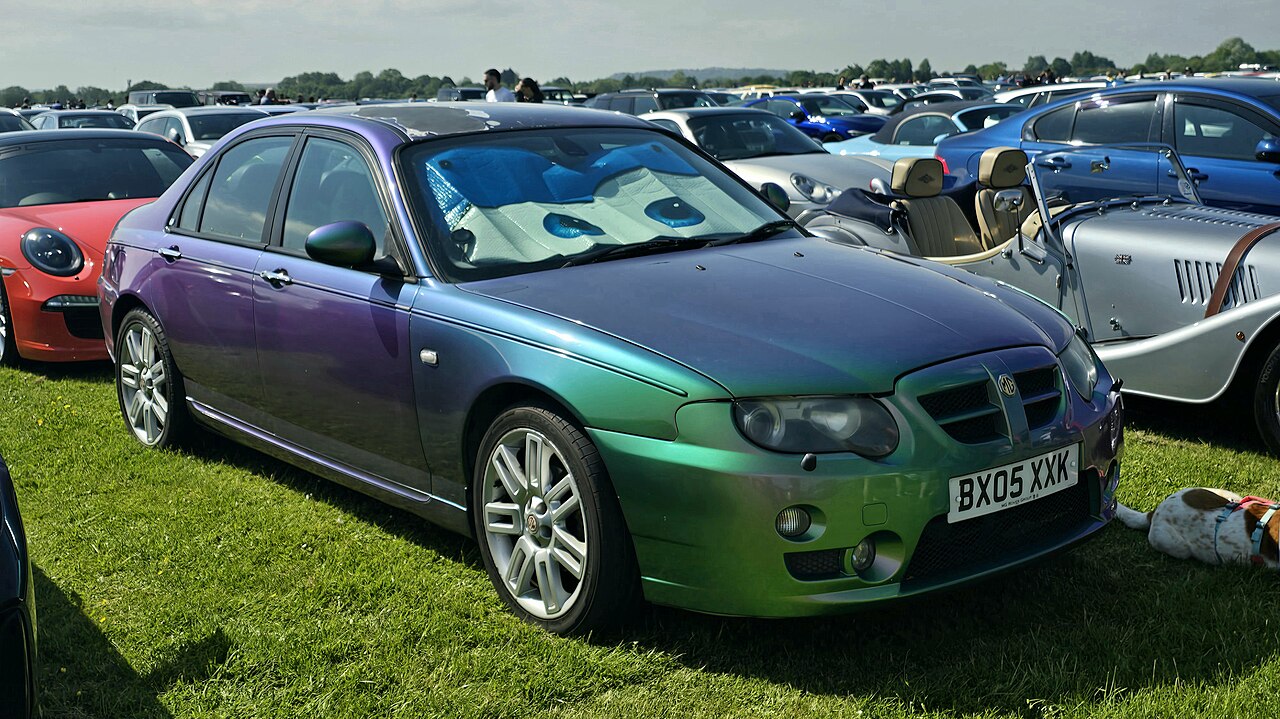
MG Z-Cars at 25: Reliving Longbridge’s Boldest Performance Revolution
A quarter of a century after MG Rover stunned the international motoring landscape with its high-octane sporting reinvention, the iconic 'Z-car' triumvirate has returned to the spotlight. Marking 25 years since the original Welsh press launch of the MG ZR, ZS, and ZT, a dedicated retrospective gathering brought together surviving examples and key members of the original engineering team. Returning to the sweeping ribbons of Welsh tarmac and circuit stages where these machines were first validated, the retrospective provided an overdue opportunity to reassess one of the most remarkable rescue missions in British motoring history.
Engineering Alchemy on a Shoestring Budget
To appreciate the Z-cars, one must understand the turmoil from which they emerged. In May 2000, BMW severed ties with the Rover Group, offloading the Longbridge manufacturing operations for a nominal ten pounds to the Phoenix Consortium. Written off by critics and operating on razor-thin development budgets, a determined group of engineers and designers, spearheaded by product development director Rob Oldaker and styling luminary Peter Stevens, resolved to deliver an immediate statement of intent. Rather than conceding defeat, they set out to transform sensible, commuter-focused Rover saloons into legitimate performance contenders.
The transformation was far deeper than cosmetic body kits and extrovert Monogram paint schemes. The engineering division thoroughly overhauled the running gear: springs were stiffened by up to 70 percent, firmer dampers were fitted, and squishy rubber subframe bushings were replaced with solid aluminium mountings to eradicate deflection under load. Quicker steering racks, uprated disc brakes, and free-flowing sports exhausts turned modest fleet cruisers into taut, responsive driver’s cars capable of challenging established European rivals.
Behind the Wheel: Analog Balance and Soulful Powertrains
Revisiting the trio on challenging undulating roads highlights just how vividly their individual personalities shine through. At the entry point, the compact MG ZR 160 delivers classic hot-hatch exhilaration. Propelled by the 1.8-litre Rover K-series engine equipped with Variable Valve Control (VVC), it revs eagerly to an urgent soundtrack. Tipping the scales at little over a tonne, the ZR darts into apexes with zero hesitation, offering the sort of direct, communicative front-end bite that modern electrically assisted steering systems struggle to replicate.
The MG ZS 180 remains the connoisseur’s dynamic gem. Benefiting from the Honda-derived double-wishbone front and trailing-arm rear suspension, the chassis feels telepathic. Paired with a smooth 2.5-litre naturally aspirated KV6 engine producing 175 horsepower, the ZS flows across technical switchbacks with exceptional poise. Developed concurrently with MG’s British Touring Car Championship (BTCC) campaign, the saloon exhibits mid-corner stability and roll control that still embarrass contemporary performance sedans.
Further up the range, the executive MG ZT demonstrates remarkable bandwidth. In flagship front-wheel-drive ZT 190 guise, the quad-cam V6 provides effortless touring velocity wrapped in an exceptionally rigid monocoque. The driving position is low and commanding, while the suspension dismisses surface imperfections without floating. And for enthusiasts craving pure theatricality, the retrospective highlighted the rare, rear-wheel-drive ZT 260—an audacious re-engineering feat that slotted a 4.6-litre Ford Modular V8 into the engine bay, producing a delightful, burbling cruiser with unmistakable muscle car soul.
Historical Significance and the Modern Classic Revival
For years following the eventual collapse of MG Rover in 2005, the Z-cars lingered in an unfortunate valuation trough, with countless models scrapped due to lack of awareness or neglect. Today, that narrative is shifting decisively. Classic vehicle enthusiasts and collectors are recognizing the Z-cars as the final defiant hurrah of Longbridge’s independent engineering prowess.
These vehicles proved that exceptional suspension geometry, tactile driver feedback, and mechanical charm could transcend modest origins. As surviving, unmolested examples become increasingly scarce, the MG Z-car generation stands tall as an accessible, deeply rewarding milestone of modern classic performance motoring.
Cover photo: Calreyn88 / CC BY-SA 4.0, via Wikimedia Commons