Post-War British Brilliance: A Deep Dive into the Riley RMB and RMA
In the vibrant world of classic motoring, few marques encapsulate the spirit of post-war British engineering ingenuity quite like Riley. A recent deep dive into two of its most celebrated models, the 1949 Riley 2½ Litre RMB and the 1948 Riley 1½ Litre RMA, has brought to light their distinct characters and enduring appeal, reminding enthusiasts why these cars continue to captivate. The comprehensive review highlights how these vehicles, designed in the challenging tail-end of World War II, were not mere warmed-over pre-war designs but entirely new cars, showcasing a forward-thinking approach to automotive development.
The Refined Power of the Riley RMB
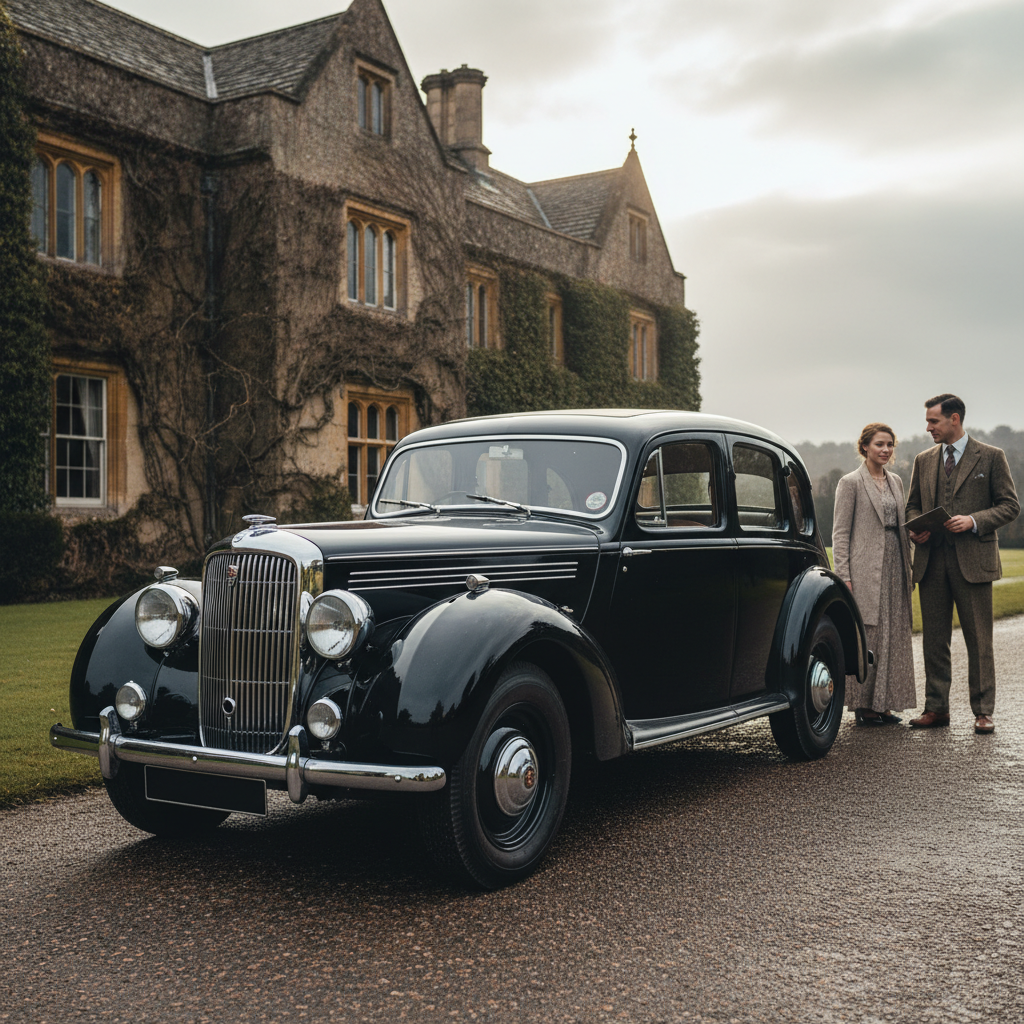
Stepping into the 1949 Riley 2½ Litre RMB offers an experience defined by effortless performance and a remarkable degree of refinement for its era. Powered by its larger 2.5-litre engine, the RMB was considered a truly capable and powerful car on the road, boasting a top speed approaching 100 miles per hour. Its driving characteristics were lauded for their excellence, a testament to Riley's commitment to engineering prowess. Visually, the RMB carried a purposeful stance, often distinguished by a longer bonnet, which stretched several inches further than its smaller sibling, and a pale blue badge signifying its potent two-and-a-half-litre heart. These subtle yet significant details underscored its position as a flagship model, appealing to drivers who sought a blend of luxury and spirited performance in their post-war motoring.
The Agile Charm of the Riley RMA
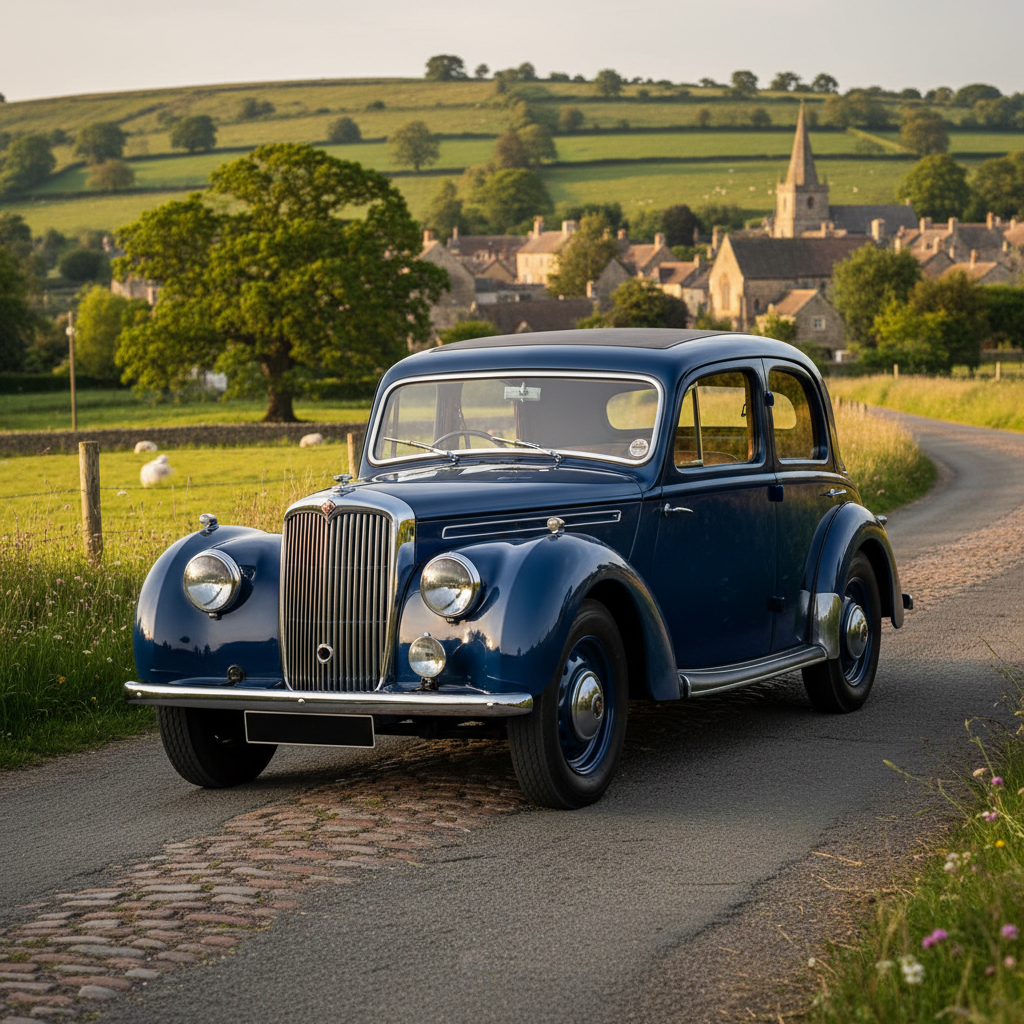
In contrast, the 1948 Riley 1½ Litre RMA emerges as a testament to agility and driver engagement. While sharing the familial Riley DNA, the RMA, with its 1.5-litre engine, offered a distinctly different driving proposition. It was lighter and more nimble, earning its reputation as a true 'driver's car'. The engine, rooted in the reliable pre-war 12/4 type unit, provided a lively experience without the sheer brute force of the RMB. This made the RMA particularly suited for those who appreciated a more intimate connection with the road and responsive handling, characteristic of well-engineered British sports saloons of the period. Its compact dimensions and balanced chassis contributed to its easy maneuverability, making it a joy to pilot through winding country lanes.
Engineering Beyond Their Years
What truly set both the RMB and RMA apart, and indeed contributed to their lasting legacy, was their advanced engineering for the late 1940s. Both models benefited from rack and pinion steering and independent front suspension, features that were not commonplace for many cars emerging just after the war. These innovations made a massive difference to their handling, which was considered top-notch in their day and, remarkably, still holds up well by today's standards. This commitment to mechanical excellence ensured that regardless of engine size, both Rileys delivered a driving experience that was both confidence-inspiring and enjoyable. Their blend of sophisticated mechanics, purposeful aesthetics, and distinct personalities cemented their place as cherished classics, offering a tangible link to a pivotal era in automotive history and continuing to inspire admiration from enthusiasts worldwide.