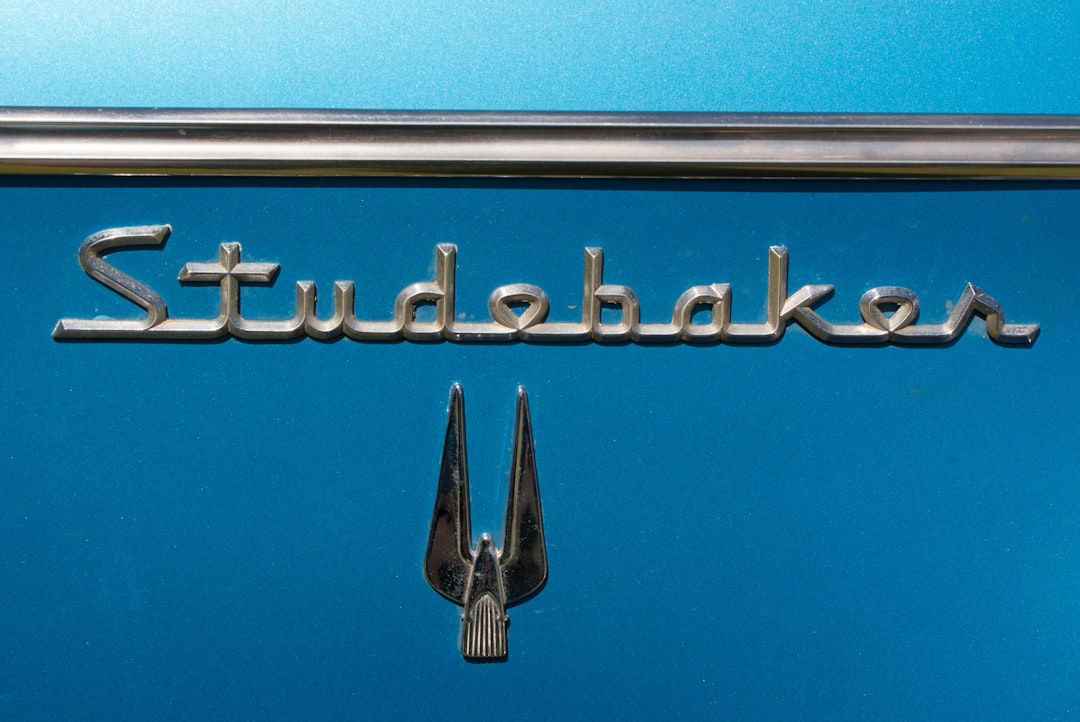
Rediscovering the 1962 Studebaker GT Hawk: A Forgotten Grand Tourer's Enduring Appeal
In an era often dominated by the automotive giants, certain classics sometimes slip from the forefront of collective memory, only to be rediscovered and celebrated for their unique charm and historical significance. Such is the case with the 1962 Studebaker Gran Turismo Hawk, which recently captured renewed attention in automotive circles, hailed as a 'Forgotten Grand Tourer' and a 'Stunning Classic with a Tiny Secret'. This recent spotlight brings a welcome opportunity to delve into what makes this particular Studebaker a truly special and often-underrated piece of motoring heritage.
Design That Defined an Era
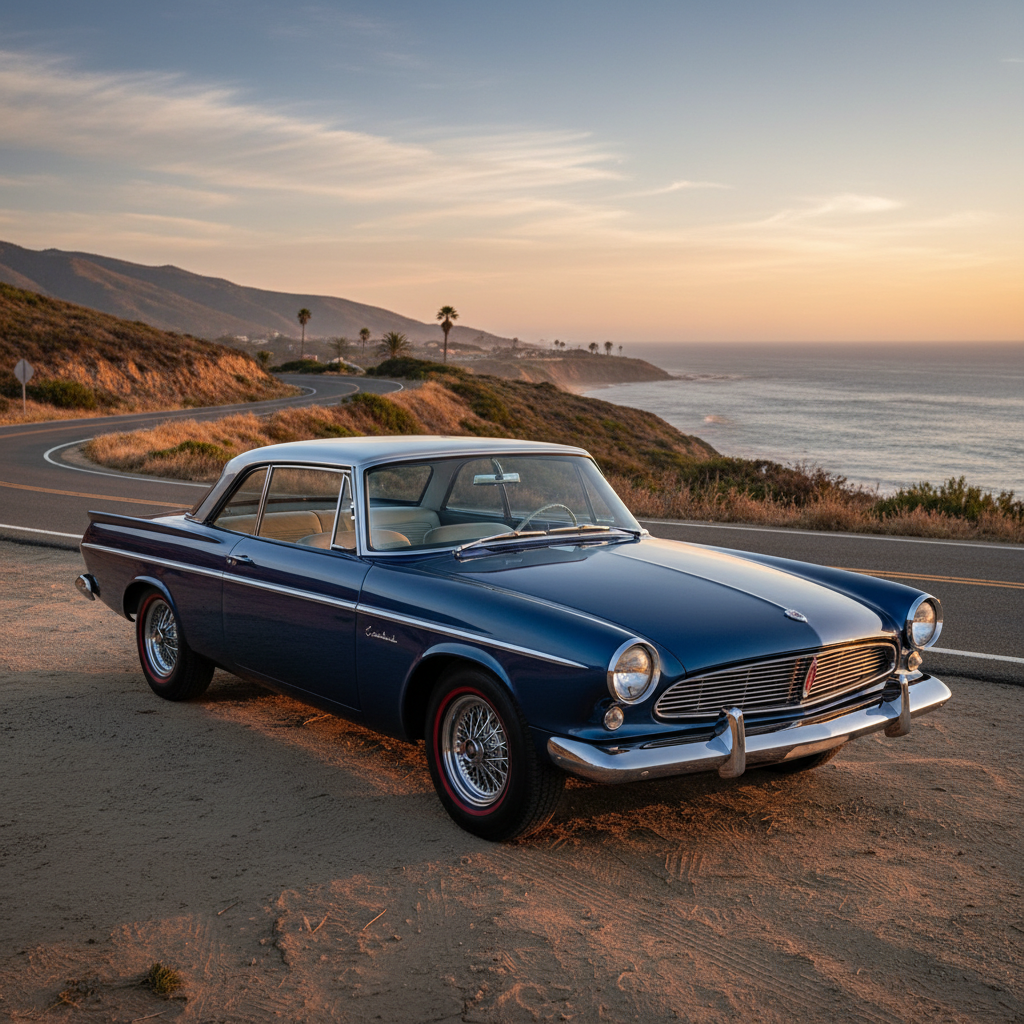
The 1962 Gran Turismo Hawk represented a pivotal, albeit ultimately short-lived, effort by Studebaker to revitalize its image and compete in the burgeoning personal luxury car market. Penned by the legendary industrial designer Brooks Stevens, the GT Hawk was a masterful exercise in refreshing an existing platform. Stevens took the basic Hawk body, which dated back to 1953, and imbued it with a distinctly European-inspired elegance. Gone were the flamboyant fins of its predecessors; in their place, Stevens crafted a cleaner, more contemporary silhouette. The car featured a squared-off roofline, a refined grille, and a trunk lid designed to evoke a formal European sedan, rather than a flashy American coupé. This blend of American robustness with continental sophistication gave the GT Hawk a unique identity, setting it apart from its contemporaries from Detroit's 'Big Three' manufacturers.
The interior further underscored its Grand Tourer aspirations. Buyers could expect comfortable seating, often upholstered in luxurious materials for the time, and a dashboard layout that prioritised functionality and a sense of occasion. The GT Hawk’s cabin was designed for long-distance cruising, offering a refined environment for both driver and passenger. Its thoughtful aesthetics and sturdy construction speak volumes about Studebaker's commitment to quality, even in the face of mounting financial pressures. The 'stunning' nature of its design is a testament to Stevens' ability to create enduring beauty from existing lines, proving that less can often be more in classic automotive styling. Its visual appeal continues to resonate with enthusiasts today, who appreciate its understated elegance and distinctive presence.
The Grand Touring Experience and its Enduring Mystique
As a true Grand Tourer, the 1962 Studebaker GT Hawk was not built for drag strips or outright speed records, but rather for comfortable, stylish long-distance travel. Power typically came from Studebaker’s robust 289 cubic inch (4.7L) V8 engine, offering smooth, dependable performance suitable for cruising highways and country roads. While perhaps not as overtly powerful as some muscle cars of its era, the GT Hawk delivered a refined driving experience, characterised by a confident ride and manageable handling. The car’s chassis, though traditional, was engineered for stability and comfort, making it an enjoyable companion for extended journeys. This emphasis on refinement over raw power aligns perfectly with the European Grand Tourer philosophy.
The recent mention of a 'tiny secret' associated with this classic adds another layer of intrigue to its story. While the specific nature of this secret remains undisclosed in the recent news, it speaks to the hidden histories and unique quirks often found within individual classic cars. For many collectors and enthusiasts, discovering such personal narratives or subtle, undocumented features is part of the profound joy of classic car ownership. It transforms a vehicle from a mere machine into a repository of stories, inviting a deeper connection and appreciation. Whether it's a unique factory option, a custom modification with a fascinating backstory, or a personal anecdote from its past, these 'secrets' enrich the legacy of these magnificent automobiles.
The 1962 Studebaker GT Hawk stands as a testament to independent American automotive ingenuity and design flair. Its blend of transatlantic styling, comfortable cruising capabilities, and the allure of untold stories make it far more than just a car; it's a timeless piece of art and engineering, now rightfully regaining its place in the pantheon of cherished classics.