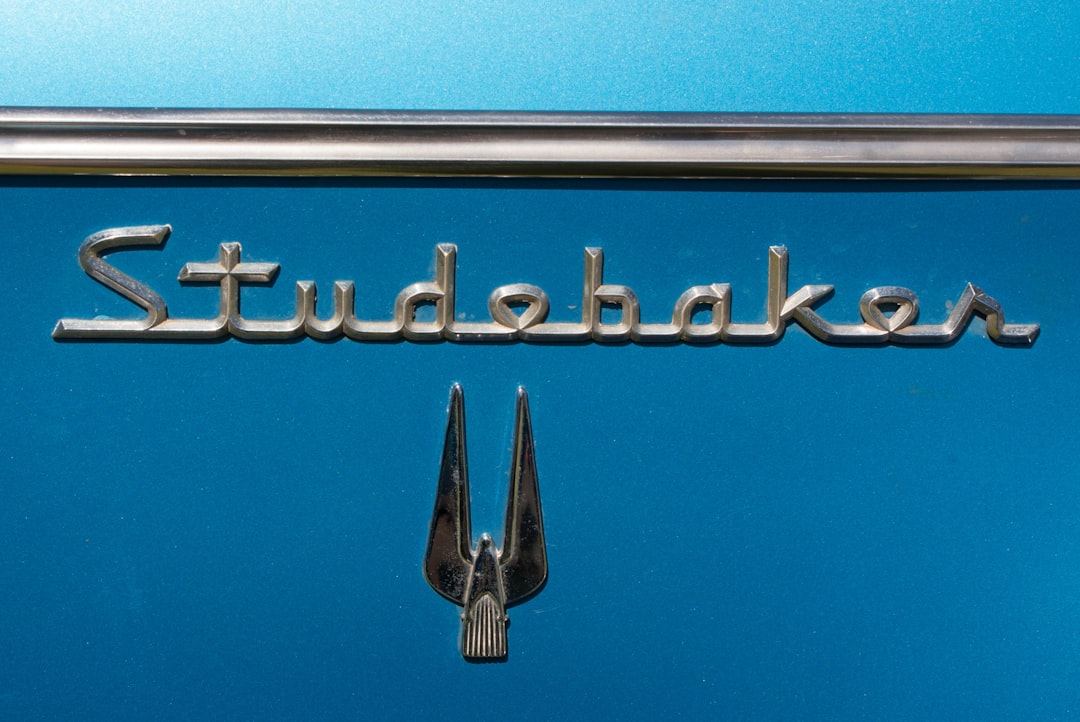
Revisiting the 1964 Studebaker GT Hawk: A Final Flight of Design Elegance
In the annals of automotive history, few marques evoke a sense of nostalgic admiration and melancholic reflection quite like Studebaker. Amidst its valiant struggle against industry giants, the South Bend automaker produced some truly remarkable vehicles, none perhaps more poignant than the 1964 Gran Turismo Hawk. Recently brought back into the spotlight, this model serves as a powerful reminder of Studebaker’s enduring design vision, even in its twilight years.
A Masterclass in Modernization

The story of the Gran Turismo Hawk is one of remarkable aesthetic resuscitation. By the early 1960s, the Hawk's underlying platform, dating back to 1953, was undeniably showing its age. However, Studebaker's leadership made a brilliant strategic move by enlisting the talents of industrial designer Brooks Stevens. Tasked with modernizing the aging Hawk with minimal investment, Stevens delivered a masterpiece.
His most significant changes included the removal of the then-outdated tail fins, a signature of 1950s styling. In their place, Stevens sculpted a sleek, Ford Thunderbird-inspired roofline, featuring a wide C-pillar that immediately brought the car into contemporary design territory. The result was transformative: the Gran Turismo Hawk, despite its veteran underpinnings, appeared fresh, attractive, and decidedly modern. This clever redesign masked its structural age, proving that thoughtful design could breathe new life into an existing foundation. For an international audience, it's important to note that this was a common practice in the era, where automakers often updated exterior styling dramatically while retaining older chassis for cost efficiency.
Behind the Wheel: Performance and Poise
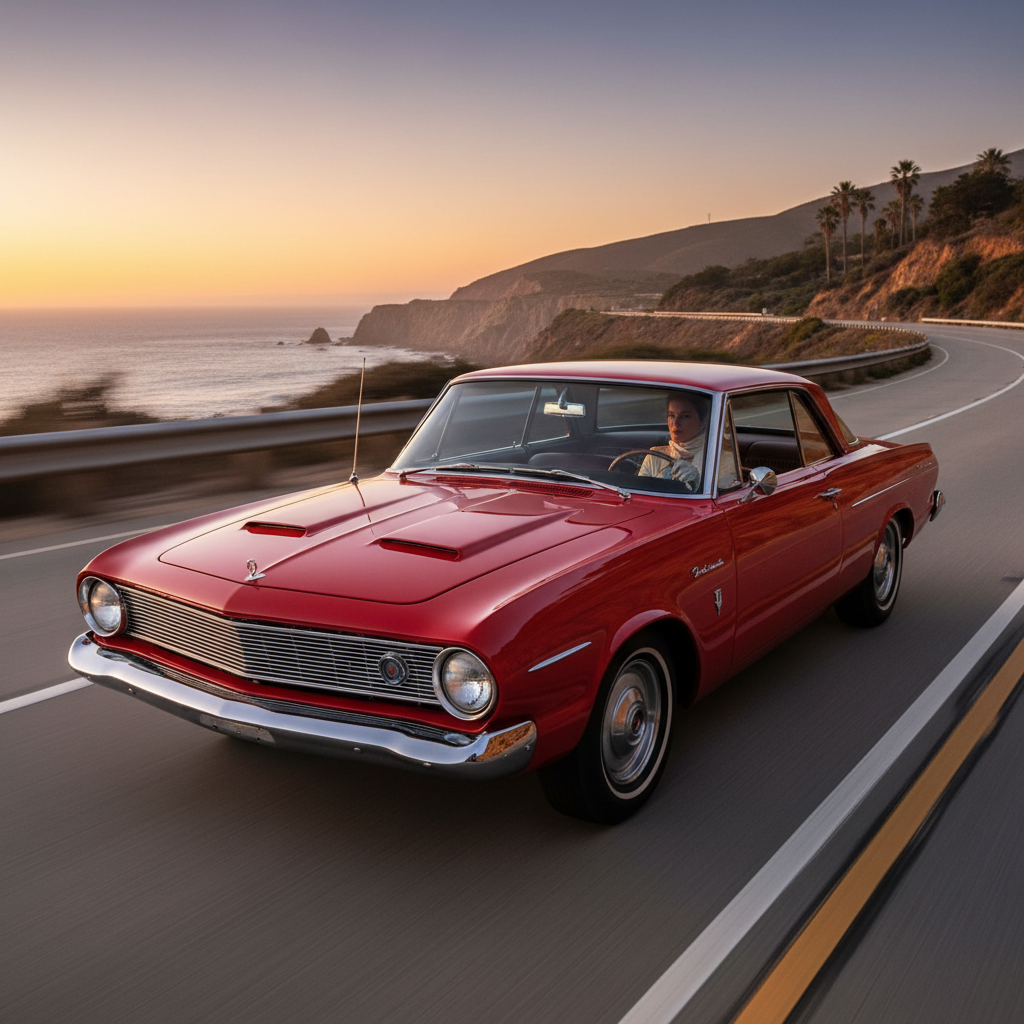
Beyond its striking appearance, the 1964 Studebaker GT Hawk was celebrated for being well-built and offering a spirited driving experience. While specific driving impressions from the recent feature are limited, historical accounts and enthusiast reviews consistently praise the car's solid construction and respectable performance for its era. Power typically came from Studebaker's robust 289 cubic inch (4.7-liter) V8 engine, known for its reliability and smooth power delivery. This engine, particularly when paired with the optional four-speed manual transmission, allowed the GT Hawk to deliver brisk acceleration and comfortable cruising speeds, making it a capable grand tourer.
The ride quality, characteristic of American cars of the period, was generally compliant, soaking up road imperfections with ease. Handling, while not sports-car precise, was predictable and stable, suitable for long-distance highway travel. The GT Hawk was designed to be a comfortable and stylish cruiser, capable of turning heads while covering miles effortlessly. Its interior, often appointed with comfortable seating and a driver-focused dashboard, further cemented its appeal as a sophisticated personal luxury coupe, a popular segment in the American market at the time.
A Legacy of Resilience and Style
The 1964 Studebaker Gran Turismo Hawk holds a unique and somewhat melancholic position in automotive history. It represented the final passenger car iteration from Studebaker before the company ceased automotive production in the United States in December 1963 (though Canadian production continued until 1966). It was, in essence, the last of a great line for the American operations.
Its existence is a testament to Studebaker's unwavering commitment to innovation and design excellence, even when faced with overwhelming financial challenges and fierce competition from the 'Big Three' (General Motors, Ford, and Chrysler). Today, the GT Hawk is highly regarded by collectors for its distinctive styling, robust engineering, and its significant place as a symbol of resilience. It stands not merely as a classic car, but as a tangible piece of Americana, representing a final, elegant flourish from an independent automaker that dared to dream big until the very end. The recent appreciation for models like the GT Hawk underscores a broader trend in the classic car market, where unique stories and design integrity are increasingly valued.