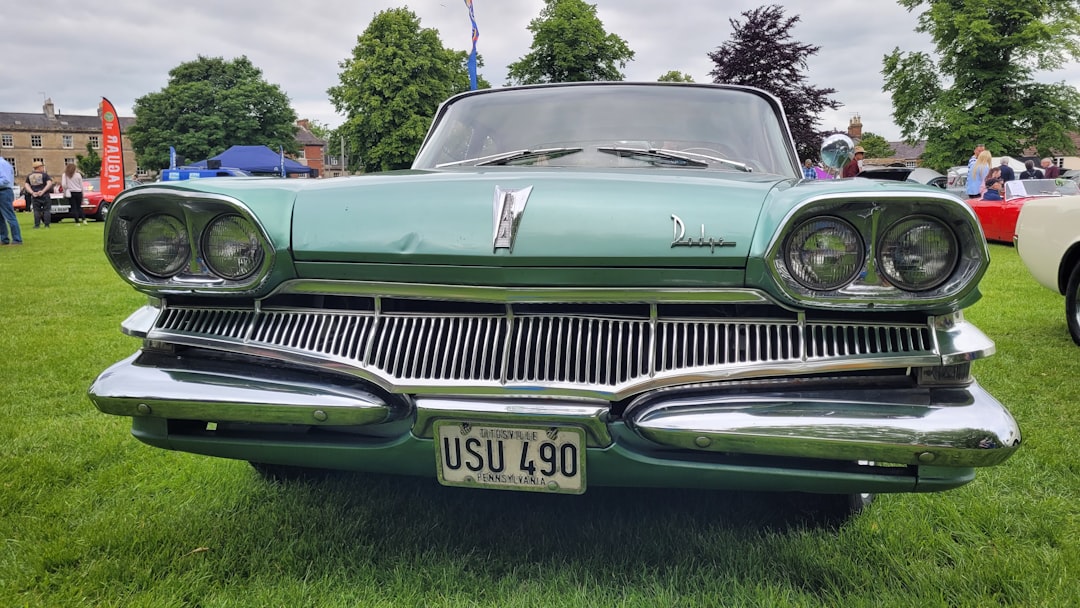
Revisiting the 1967 Dodge Coronet R/T: Mopar's Original 'Sleeper' Muscle Car
In the vibrant tapestry of American muscle cars, few models embody the essence of understated power and raw performance quite like the 1967 Dodge Coronet R/T. While overshadowed by some of its flashier contemporaries, this machine quietly established a performance benchmark for Dodge, laying the groundwork for a legendary lineage of 'Road/Track' vehicles. A recent feature highlights how this often-overlooked classic truly defined Mopar muscle, offering a compelling blend of conservative aesthetics and formidable engineering for its era.
The Understated Powerhouse Aesthetic
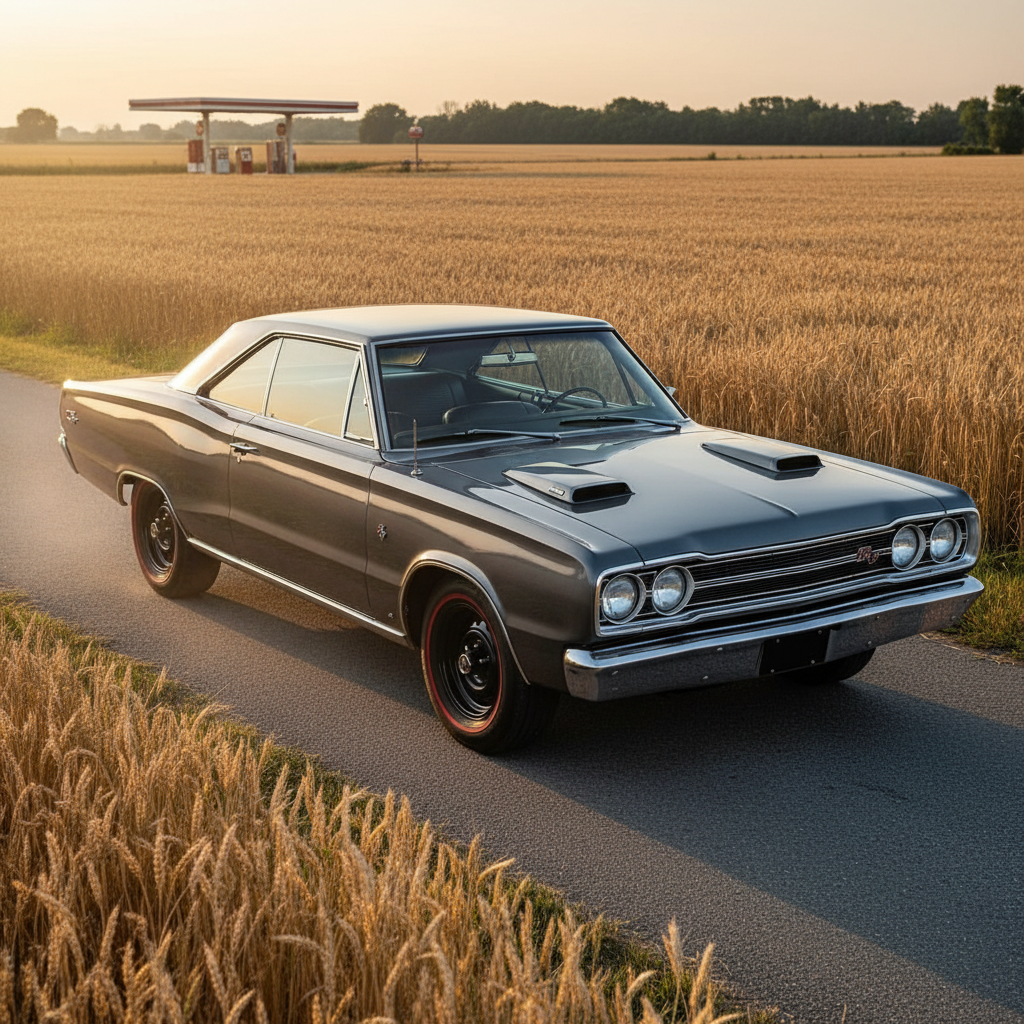
Visually, the '67 Coronet R/T was a masterclass in restraint, a stark contrast to the flamboyant scoops and stripes that would characterize later Mopar designs. Its conservative, boxy silhouette, which earned it the affectionate moniker "refrigerator on wheels," made it the quintessential "sleeper" car of its time. This design philosophy was intentional, positioning the R/T as an "all killer, no filler" machine designed for drivers who prioritized raw speed over overt flash.
Despite its unassuming exterior, subtle cues hinted at the beast beneath the hood. An offset red R/T emblem in the grille, twin louvered hood scoops, and "Red Streak" tires were among the discreet warnings to unsuspecting rivals. Unlike some competitors that relied heavily on marketing and elaborate trim packages, the Coronet R/T's charm lay in its ability to surprise.
Engineering for the Road and Track
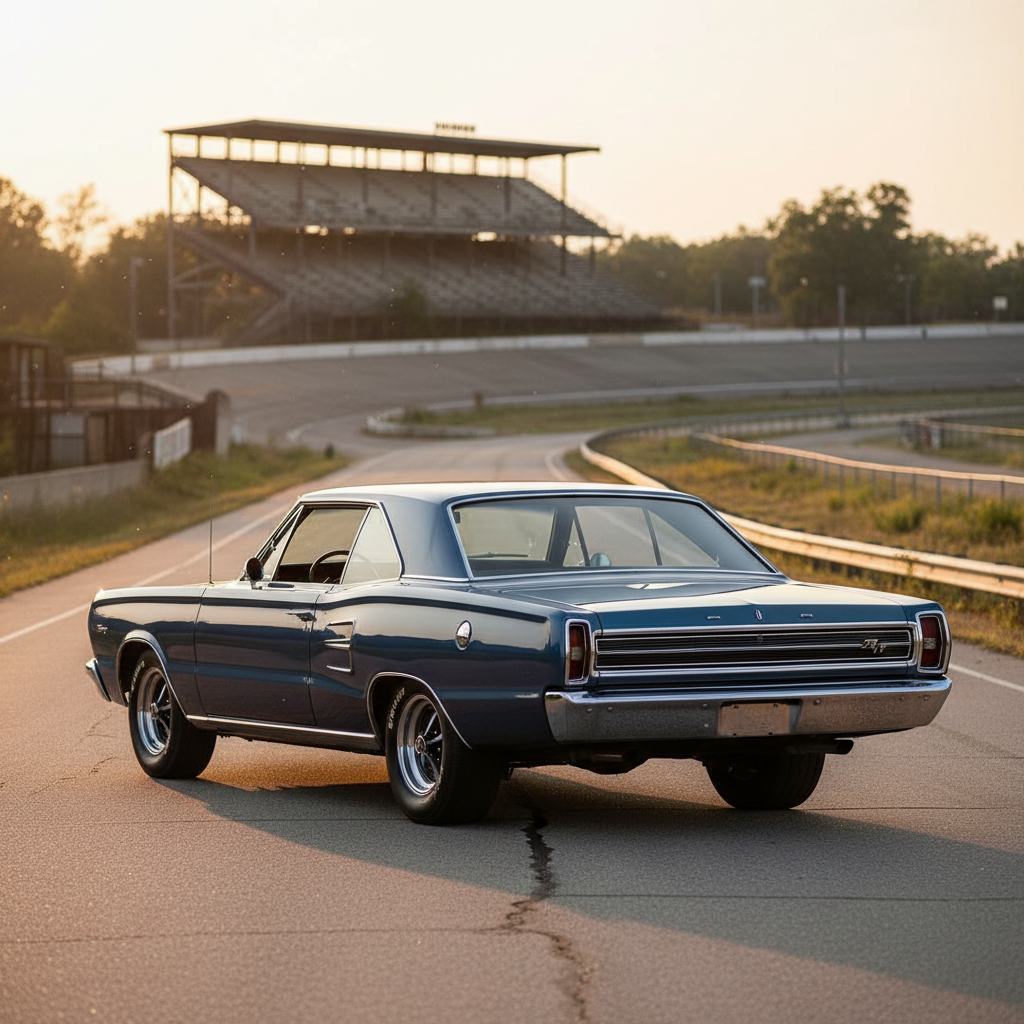
The 1967 Coronet R/T was far more than a mere trim package; it represented a comprehensive mechanical overhaul engineered to embody its "Road/Track" designation. Standard power came from a robust 440-cubic-inch Magnum V8, churning out an impressive 375 horsepower and 480 pound-feet of torque. For those seeking ultimate dominance, Dodge offered the legendary "Elephant" 426 Hemi engine, factory-rated at a widely considered underrated 425 horsepower and 490 pound-feet of torque.
To manage this immense output, engineers equipped the R/T with "heavy-duty everything." This included a beefed-up suspension system featuring specialized shocks, torsion bars, and a front sway bar to ensure composed handling, even under demanding track conditions. Stopping power was equally critical, with the car coming standard with massive 11-inch drum brakes, a significant upgrade from base-model brakes used by many competitors. Front disc brakes were also available as an option for enhanced performance.
The transmission choices further underscored its performance intent, offering either a heavy-duty three-speed TorqueFlite automatic or a four-speed manual. The 440 Magnum, with its peak torque at lower RPMs, was often considered more suitable for street driving compared to the more race-bred Hemi.
Forging a Performance Legacy
The introduction of the R/T trim on the Coronet in 1967 marked a pivotal moment, as Dodge formalized its performance hierarchy. This move gave Dodge a cohesive performance identity to rival the likes of the Pontiac GTO, which had taken the market by storm. It was Dodge's first car to carry the R/T badge, establishing a performance sub-brand that would continue to shape its lineup for decades to come, famously appearing on Chargers and Challengers.
With roughly 10,000 units sold in its debut year, the Coronet R/T proved to be a solid success, laying the foundation for future high-profile performance models. Its historical importance extends beyond mere sales figures, stemming from its foundational role in defining Dodge's performance image and its connection to Chrysler's widely respected big-block architecture. Today, the 1967 Dodge Coronet R/T stands as a cherished icon among collectors, celebrated not just for its raw power, but for its distinctive place as the original "Road/Track" sleeper, a car that truly let its performance do the talking.