Riley RM Series: A Tale of Two Classics – RMB's Refinement vs. RMA's Agility
In the vibrant world of classic motoring, few marques encapsulate British engineering prowess and distinctive charm quite like Riley. Recently, enthusiasts were treated to a captivating comparison, bringing together two significant post-war siblings: the 1949 Riley 2½ Litre RMB and the 1948 Riley 1½ Litre RMA. This insightful review, showcased on April 3, 2026, highlighted the nuanced differences that define these elegant machines, offering a fresh perspective on what makes each a unique proposition for the discerning collector and driver alike.
The RM series, launched shortly after World War II, marked a pivotal moment for Riley, presenting models that were not merely warmed-over pre-war designs but entirely new cars, featuring advanced technical specifications for their era. This recent comparison masterfully brought these distinctions to the forefront, pitting the more powerful and refined RMB against the lighter, nimbler, and arguably more engaging RMA.
Refinement Meets Agility: The Driving Experience
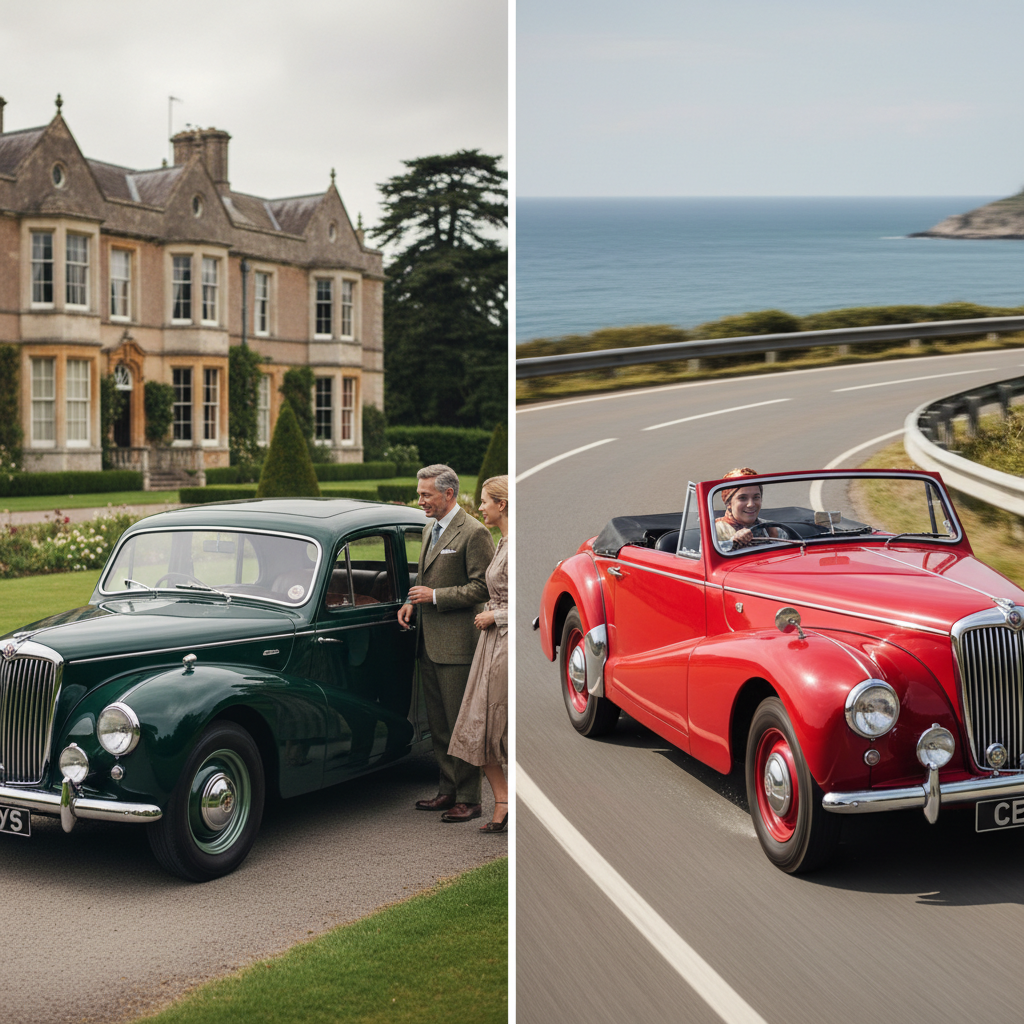
At the heart of the recent comparison was the stark contrast in driving character between the two Rileys. The 1949 Riley 2½ Litre RMB, often seen as the more mature and grand touring-oriented sibling, delivered an experience characterized by its effortless performance and inherent refinement. Powered by a robust engine, the RMB was a truly capable car on the road, boasting a top speed nearing 100 miles per hour – an impressive feat for a post-war British saloon. Its robust nature and comfortable cruising ability would have made it a formidable competitor in its day, designed for those who appreciated power with poise.
In contrast, the 1948 Riley 1½ Litre RMA emerged as the quintessential driver's car. Described as lighter and more nimble, it offered a more direct and spirited connection to the road. While its engine was based on the pre-war 124 type unit, it provided an engaging experience, emphasizing agility over outright brute force. For enthusiasts who relish the tactile feedback of a classic and prefer a car that feels more sprightly through the bends, the RMA presents a compelling case. This difference in character underlines Riley's clever engineering, offering distinct choices within the same acclaimed RM series.
Engineering Ahead of Its Time
Beyond their individual personalities, both the RMB and RMA shared groundbreaking engineering features that set them apart from many contemporaries. A significant factor in their acclaimed handling was the incorporation of rack and pinion steering and independent front suspension. These were advanced technologies for the late 1940s, contributing massively to superior roadholding and driver confidence. The reviewer noted that the handling of these cars was not just 'good in their day' but remarkably 'still good by today's standards,' a testament to Riley's foresight and engineering excellence. This innovative approach ensured that the RM series cars were not only elegant but also genuinely enjoyable to drive, a quality that continues to endear them to classic car aficionados.
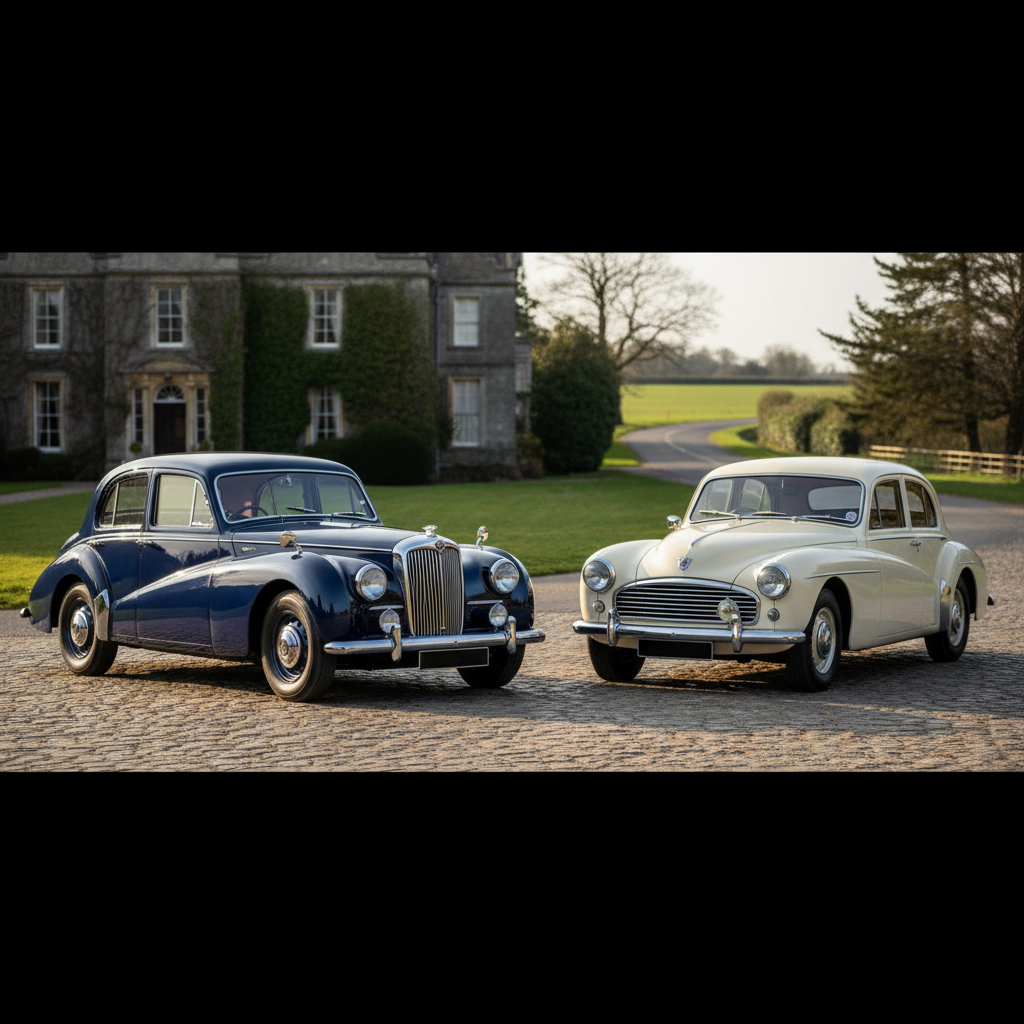
The review also touched upon the aesthetic nuances and condition of the showcased vehicles. Both cars presented in the video had their roofs correctly replaced, and the interiors, particularly the leather seats, appeared to be in good, original condition, suggesting that efforts had been made to preserve their authenticity. Distinctive details such as the 'French grey' and 'metallic silver street gray' paint finishes, coupled with specific badging and the RMB's notably longer bonnet, highlighted the meticulous craftsmanship and design considerations that went into each model. Such attention to detail reinforces the enduring appeal of these classic Rileys, showcasing them as not just vehicles but rolling pieces of automotive history.
The comparison served as a vivid reminder of the enduring legacy of the Riley RM series. Whether one leans towards the refined power of the RMB or the engaging agility of the RMA, both cars offer a captivating journey into post-war British automotive design and engineering. This recent spotlight on two such well-preserved and historically significant vehicles undoubtedly sparks renewed interest in these often-understated classics, inviting enthusiasts to ponder which of these 'different but purposeful' Rileys would find a cherished spot in their garage.