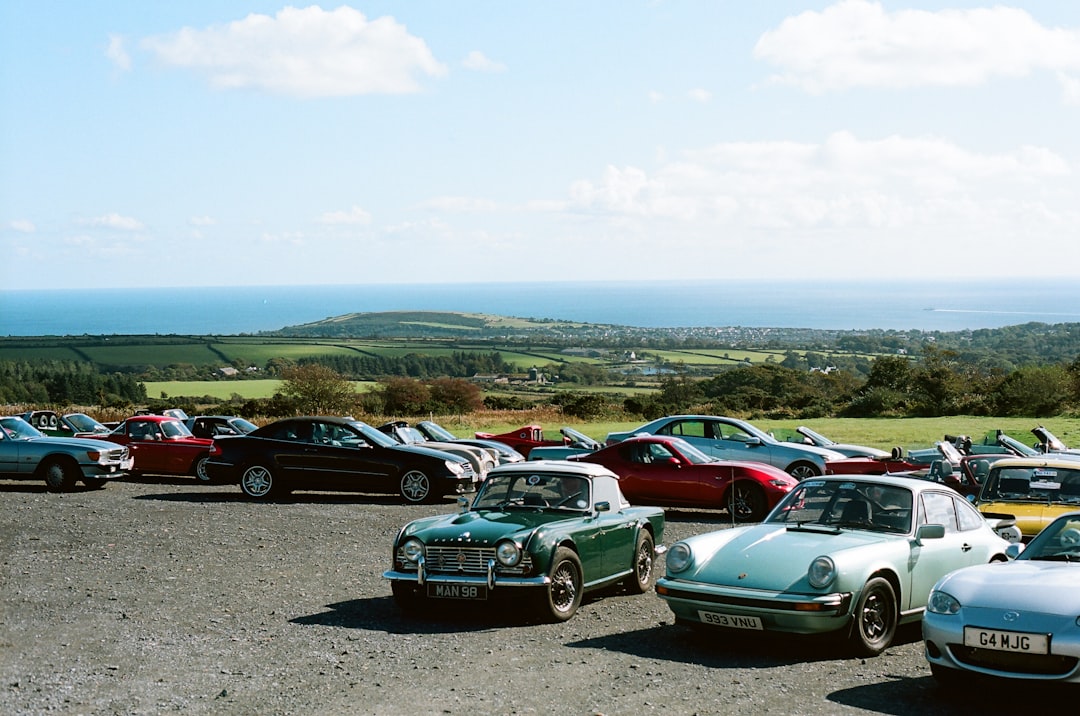
The Enduring Appeal: Why 'Usable Classics' Define the 2026 Driving Experience
In an automotive landscape increasingly dominated by electric powertrains, autonomous features, and digital interfaces, a profound shift is redefining what collectors and enthusiasts truly value in the classic car market. While pristine, concours-winning originality once reigned supreme, 2026 sees a growing appreciation for what are now affectionately termed 'usable classics' — vintage vehicles built to be driven, enjoyed, and integrated into modern life. This evolving philosophy prioritizes the analogue driving experience, emphasizing the tactile, visceral connection between driver and machine that modern cars, for all their advancements, simply cannot replicate.
The Analogue Imperative: Reclaiming the Joy of Driving
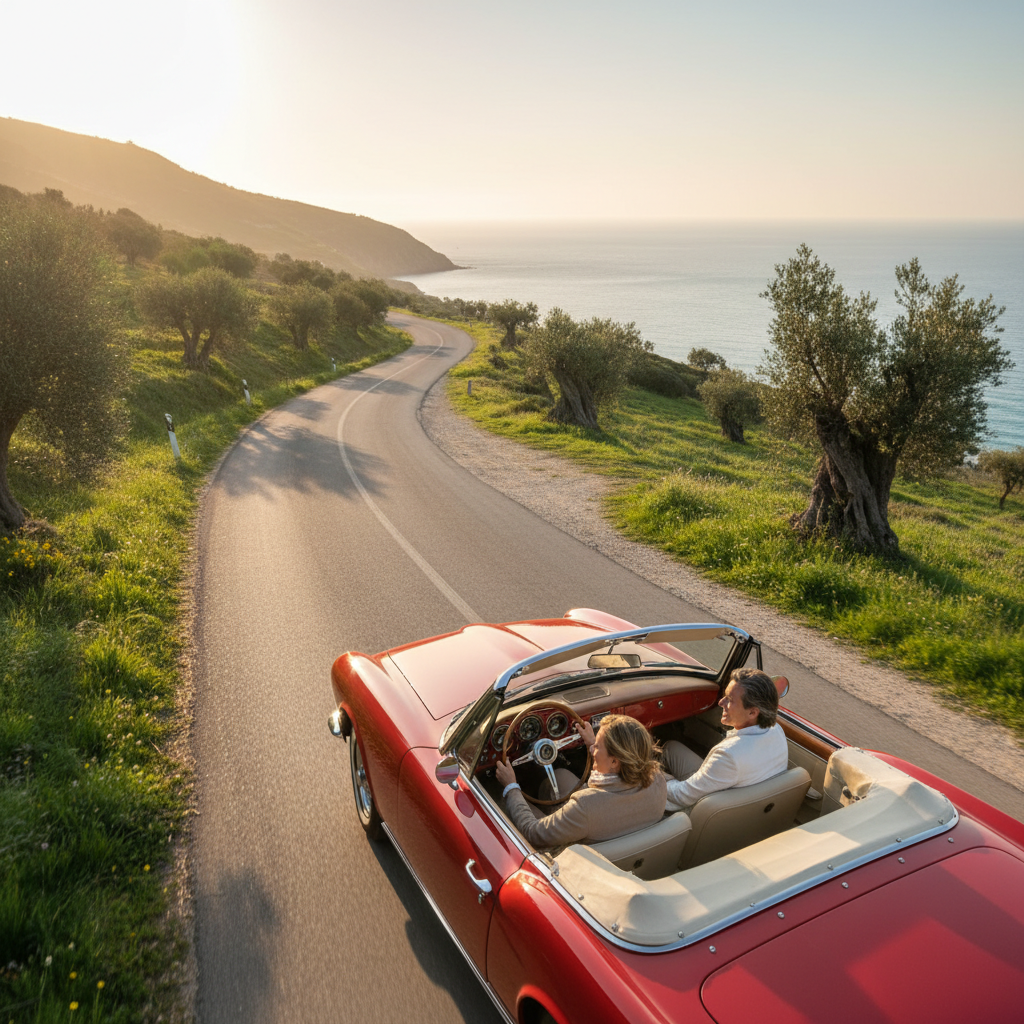
The transition towards electric propulsion has, paradoxically, elevated the desirability of their internal combustion counterparts. The qualities that define a truly great classic car are precisely those that electric vehicles, despite their numerous virtues, struggle to provide. Enthusiasts are actively seeking the mechanical symphony of a naturally aspirated engine, the profound physical connection offered by an unassisted steering rack, and the satisfying ritual of heel-and-toe downshifts through a manual gearbox. These elements are increasingly recognized as belonging to a specific, cherished era of automotive history, their growing rarity making them ever more precious.
This sentiment has catalyzed a re-evaluation of classic cars, moving beyond their status as mere financial assets or static museum pieces. Today's collectors, especially in regions like the UK and Europe, are driven by the 'joy factor,' prioritizing cars they genuinely love to drive. This passion-led approach ensures that a classic car remains a source of immense satisfaction, rather than just a silent appreciating asset in a climate-controlled garage.
Icons of Usability: Driving Impressions in 2026
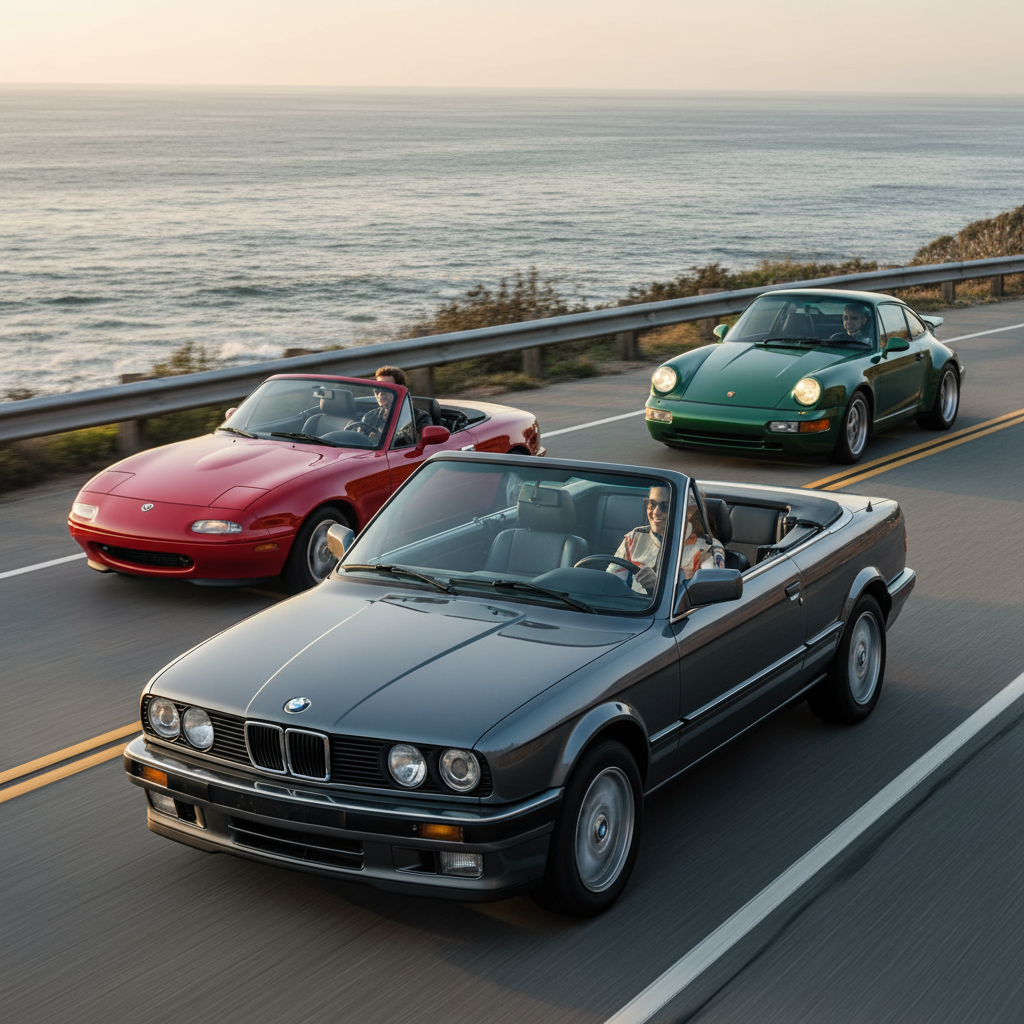
Several marques and models stand out as exemplars of this 'usable classic' trend, offering genuinely rewarding driving experiences that transcend mere nostalgia. Their market strength in 2026 underscores a deep enthusiasm and robust infrastructure built around their practical enjoyment.
Air-Cooled Porsche 911s: The Benchmark of Engagement
From the early 2.0-liter models to the revered 993 generation, air-cooled Porsche 911s continue to represent one of the most active and vibrant segments of the classic car market. Their enduring appeal lies in a timeless design fused with an engaging, direct driving dynamic. These cars offer a unique blend of everyday usability and genuine sports car performance. The distinct flat-six engine note, responsive steering, and remarkably balanced chassis contribute to an immersive driving experience that remains captivating even decades after their production. They are renowned for being relatively robust and well-supported by a global network of specialists and parts, making ownership a genuinely achievable pleasure for those who wish to drive them regularly.
Mercedes-Benz W113 'Pagoda' SLs: Elegance Meets Practicality
The Mercedes-Benz W113 SL, affectionately known as the 'Pagoda' due to its distinctive concave hardtop, embodies elegant grand touring with surprising practicality. These cars, spanning from the 230 SL to the 280 SL, offer a beautifully styled and remarkably comfortable cruising experience. Their refined engines, smooth automatic or manual transmissions, and well-appointed interiors make them ideal for longer journeys or leisurely drives. The Pagoda SL's engineering ensures a level of reliability and ease of maintenance that is highly sought after by those seeking a classic that can be enjoyed without constant mechanical anxiety. They deliver a sophisticated, unhurried driving impression that is uniquely Mercedes-Benz.
BMW 2002s and Alfa Romeo Giulia Sprints: Sporting Spirit Personified
For enthusiasts seeking a more raw and spirited driving experience, the BMW 2002 and Alfa Romeo Giulia Sprint remain compelling choices. Both embody a lightweight, sporting DNA that translates into incredible agility and direct feedback. The BMW 2002, particularly in Tii guise, offers a nimble chassis and rev-happy engine that makes every B-road a joy. Its compact size and excellent visibility make it surprisingly adept in varied driving conditions. Similarly, the Alfa Romeo Giulia Sprint is celebrated for its exquisite handling, charismatic Twin Cam engine, and utterly intoxicating exhaust note. These cars provide a purity of purpose, focusing on the driver's connection to the road. While perhaps demanding a bit more driver input, their rewards in terms of driving pleasure are immense, making them highly desirable 'usable classics' in today's market.
As 2026 unfolds, the message from the classic car community is clear: a car is meant to be driven. This renewed focus on usability, reliability, and the sheer joy of the analogue experience is not merely a trend, but a fundamental re-calibration of value, ensuring that these automotive masterpieces continue to engage and inspire on the open road.