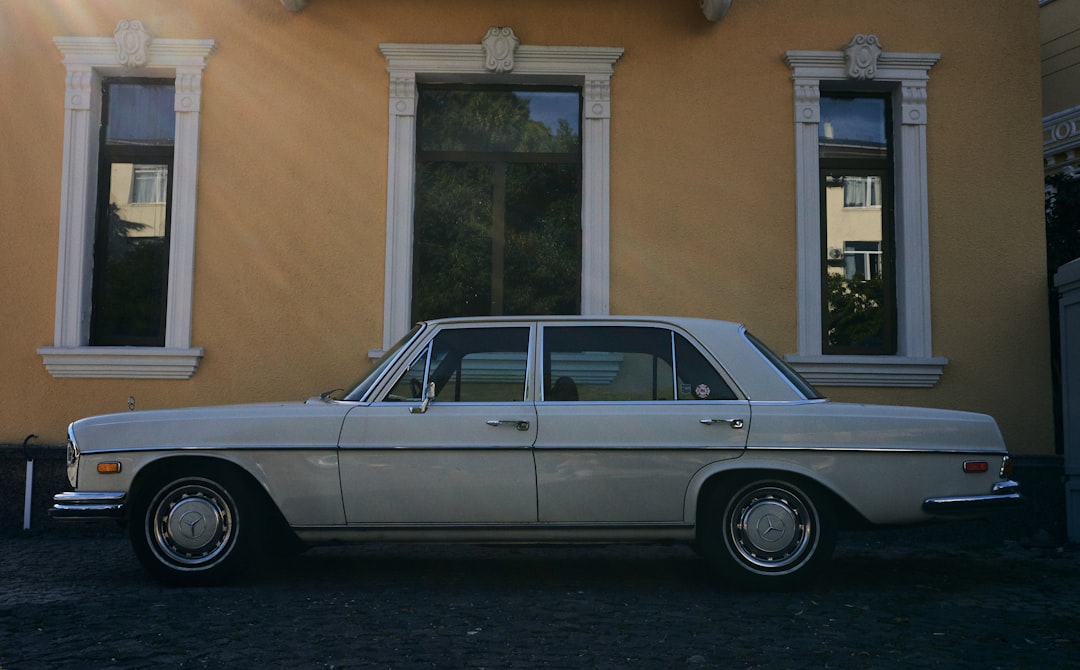
Timeless Elegance: A Revisit to the Mercedes-Benz W126 S-Class
In the ever-evolving landscape of classic automobiles, some vehicles transcend their original era to become enduring symbols of design and engineering prowess. Such is the case with the Mercedes-Benz W126 S-Class, a model that, even 47 years after its initial introduction, continues to captivate enthusiasts and critics alike. A recent feature in Wheels magazine’s May 2026 issue has shone a spotlight once more on this iconic saloon, affirming its status as a true 'modern classic'.
First unveiled in 1979, the W126 series quickly established itself as the pinnacle of luxury and automotive sophistication for Mercedes-Benz. Its enduring appeal is largely attributed to the visionary design philosophy of Bruno Sacco, the marque’s chief designer, who famously stated that 'a Mercedes-Benz must look like a Mercedes-Benz'. This ethos resulted in a vehicle with graceful, timeless lines that, even today, present a remarkably fresh appearance on modern roads. Sacco’s design aimed for longevity, ensuring the car would live well beyond its initial production cycle, a goal demonstrably achieved with the W126.
An Interior Sanctuary and Refined Driving Dynamics
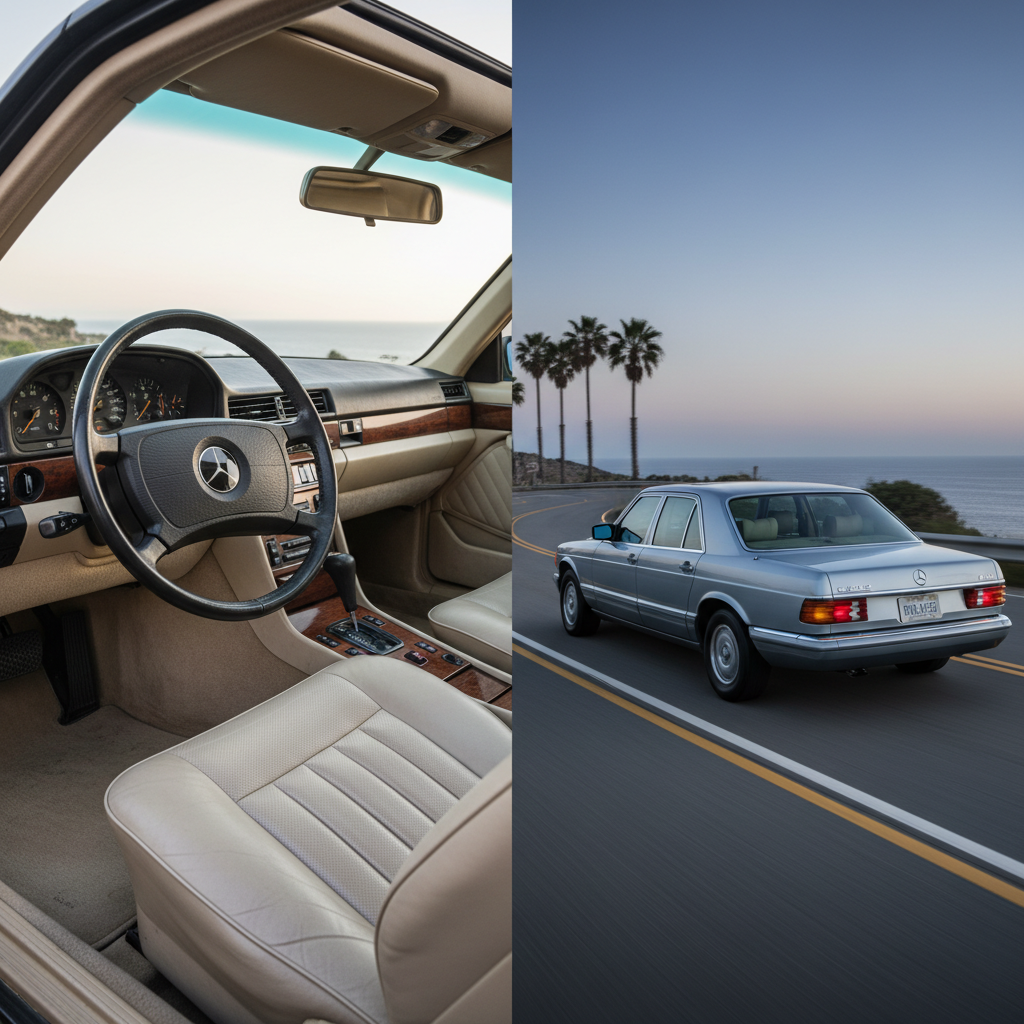
Stepping inside a W126 S-Class immediately transports one to a realm of unparalleled comfort and quiet refinement. Contemporary reviews from its heyday lauded the car for its serene cabin, describing it as if one had donned 'the world's best noise-cancelling headphones'. This sense of 'unashamed prestige' was further enhanced by an interior where automatic air conditioning maintained a consistent temperature, and the 'brilliant Becker AM/FM radio/cassette' provided entertainment, allowing the driver to fully immerse in the 'magic of the car'.
The driving experience of the W126 remains a highlight. It offers a tangible connection to the road, a quality often sought by today’s enthusiasts who lament the increasingly digital and detached feel of many modern vehicles. Owners speak of a tactile interaction, where genuine buttons click and a traditional handbrake provides a satisfying mechanical engagement. Far from being a mere weekend indulgence, many assert that a well-maintained W126 can comfortably serve as a daily driver, seamlessly blending classic charm with practical usability without feeling outdated. It strikes a rare balance, offering both a pleasurable drive and functional utility for contemporary life.
A Legacy of Success and Enduring Relevance
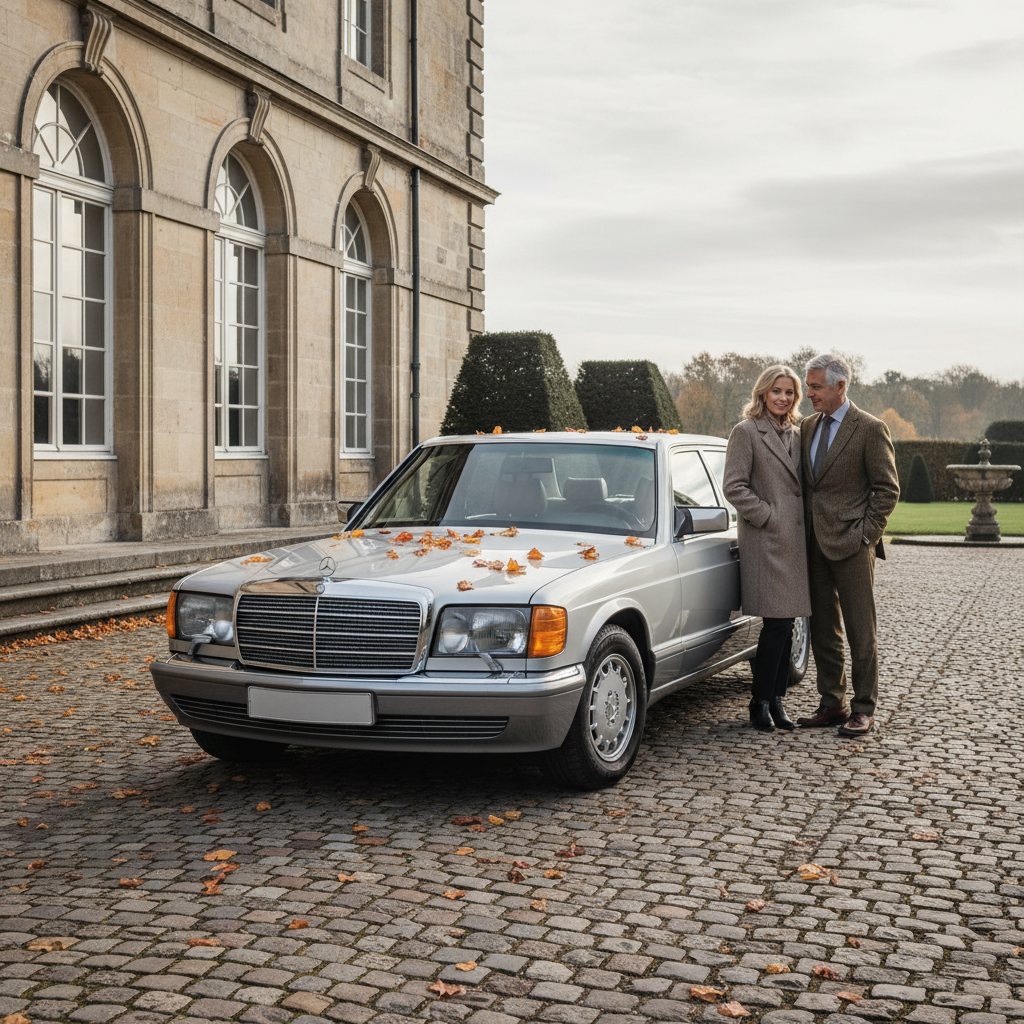
The Mercedes-Benz W126 S-Class was not merely an aesthetic triumph; it was also a commercial powerhouse. Over its impressive 12-year production run from 1979 to 1991, Mercedes-Benz sold over 900,000 units, making it the most successful S-Class generation in history. This widespread success was built upon its reputation as the 'automobile industry's state of the art' during its time, a testament to its advanced engineering and luxurious appointments.
In 1979, its starting price of approximately 40,000 Deutsche Marks, equivalent to around €55,000 today when adjusted for inflation, firmly placed it in the upper echelons of the new car market. Yet, its value proposition extended beyond mere cost, offering a blend of comfort, reliability, and timeless style that few competitors could match. Today, the W126 continues to hold its own, standing as a testament to thoughtful design and robust construction. Its ability to remain relevant and desirable nearly five decades on underscores its exceptional legacy within automotive history.