Classic Cars Under Threat: 'Sacred Earth' Initiative Proposes Weekday Ban
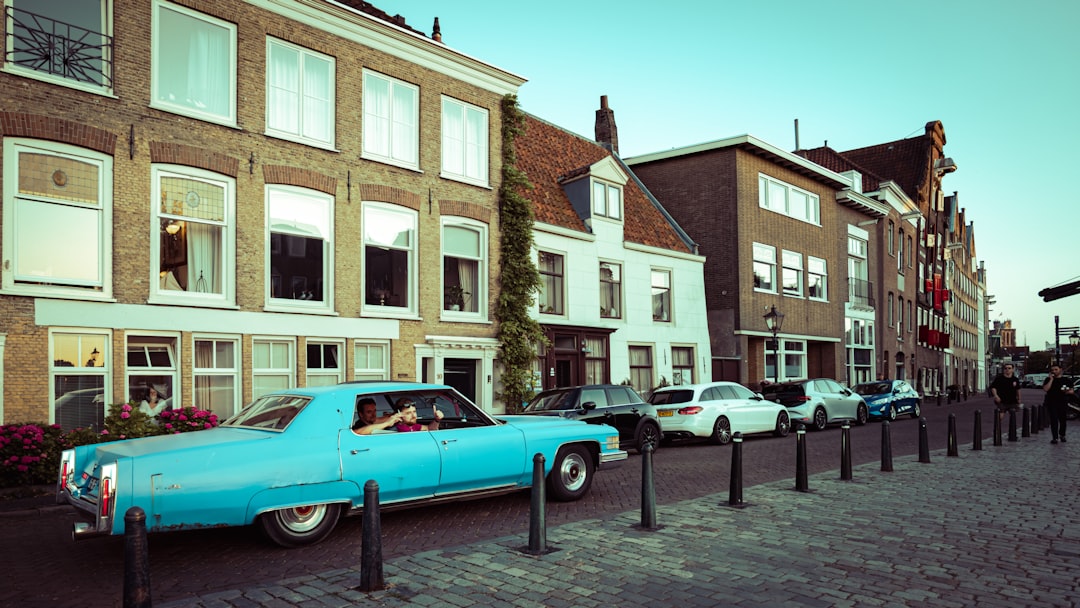
A contentious new urban planning proposal, dubbed the 'Sacred Earth' initiative, is sparking widespread debate within the classic car community. The plan seeks to impose a ban on classic and antique vehicles from urban centers during weekdays, citing concerns over emissions and traffic congestion. This move has ignited a passionate discussion between environmental advocates and classic car enthusiasts, highlighting the growing tension between preserving automotive heritage and advancing sustainable urban development.
For many, classic cars are more than just modes of transportation; they are tangible pieces of history, engineering marvels, and the embodiment of a deeply cherished lifestyle. The potential restriction on their weekday use in cities represents a significant challenge to owners who view driving and showcasing their vehicles as an integral part of their hobby. Such a ban could severely limit the opportunities for these prized possessions to be enjoyed on public roads, fundamentally altering the experience of classic car ownership in urban environments.
The Proposed Restrictions: A Closer Look
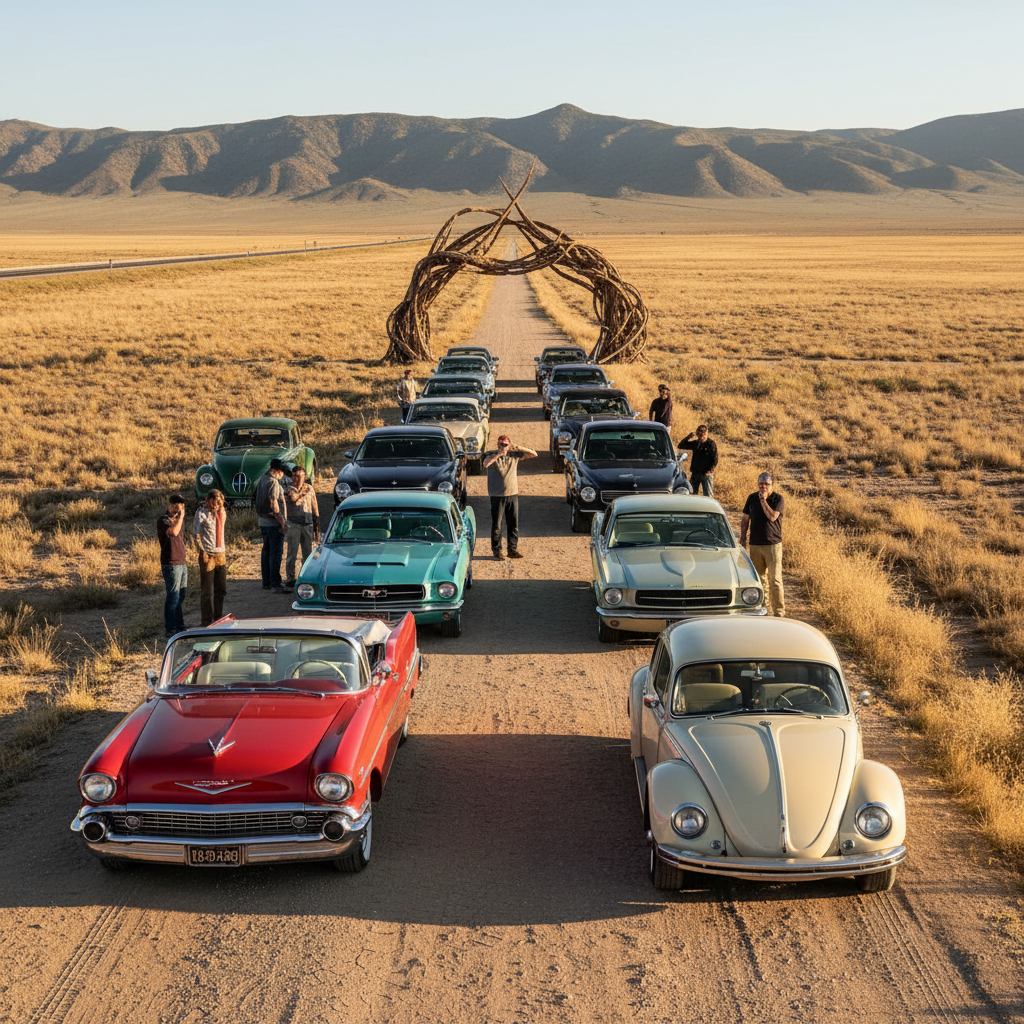
The core of the 'Sacred Earth' initiative targets classic cars older than a specified age – likely 25 years or more – preventing their use during the workweek. Proponents of the ban argue that it is a necessary step towards improving air quality and reducing traffic jams in bustling city areas. As urban populations grow and environmental regulations tighten, cities worldwide are increasingly exploring measures to curb vehicle emissions and encourage greener modes of transport. This proposal, while seemingly drastic to enthusiasts, aligns with a broader global movement towards sustainable urban ecosystems.
The debate extends beyond mere logistics, touching upon the very definition of automotive heritage. Classic car clubs and individual collectors often organize rallies, tours, and exhibitions that require the use of these vehicles in city settings. A blanket ban could disrupt these cultural events, impacting tourism and the local economies that benefit from such gatherings. The emotional connection owners have with their vehicles, often built through years of restoration, maintenance, and shared experiences, makes this proposed restriction particularly difficult to accept. For many, a classic car is a living artifact, meant to be driven and experienced, not merely displayed in a garage.
Seeking a Middle Ground: Balancing Heritage with Sustainability
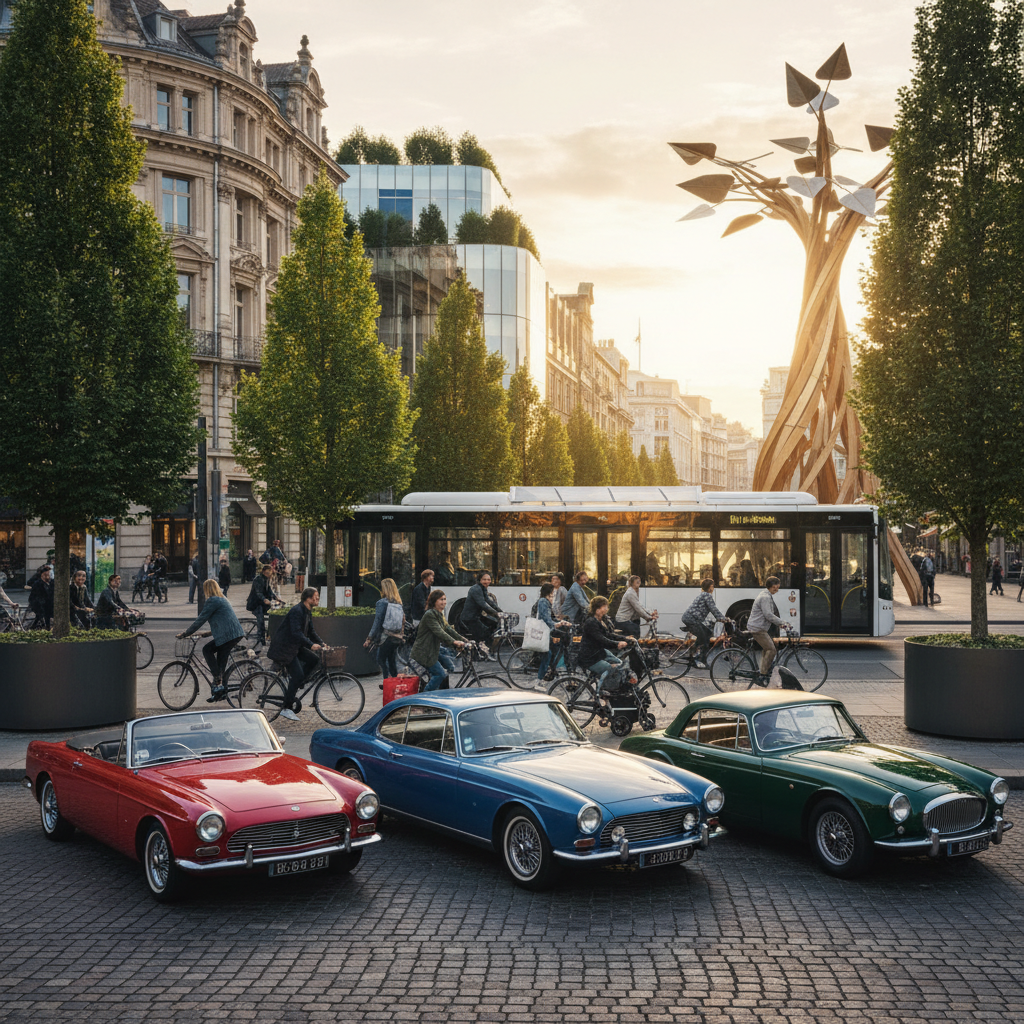
As the conversation intensifies, experts are exploring potential compromise solutions to bridge the divide between environmental goals and the preservation of classic car culture. Some suggestions include allowing limited weekday access for classic cars that meet stricter emissions standards, or establishing designated routes and parking areas within urban zones for these vehicles. Such approaches aim to create a balance, acknowledging the cultural significance of classic cars while still addressing pressing environmental concerns.
Another area of discussion revolves around the definition of 'classic' and 'antique' vehicles, and whether exemptions could be made for specific events or for vehicles that undergo modern emissions-reducing modifications, often referred to as 'restomods' that blend classic aesthetics with contemporary technology. However, these compromises may not satisfy all stakeholders, as purists often advocate for the untouched originality of classic automobiles. The challenge lies in crafting policies that are both effective in promoting sustainability and respectful of the deep-seated passion and history embedded in the classic car hobby.
The Road Ahead for Classic Car Culture
The 'Sacred Earth' initiative serves as a poignant reminder that the future of classic car ownership, especially in urban areas, is subject to evolving societal values and environmental priorities. While the immediate outcome of this particular proposal remains uncertain, it underscores a growing global trend where classic car enthusiasts may increasingly need to adapt to new regulations and seek innovative ways to enjoy their vehicles. The ongoing dialogue will undoubtedly shape how future generations interact with and preserve the rich tapestry of automotive history.