Minnesota Classic Car Driving Bill Stalls, Preserving Status Quo for Enthusiasts
St. Paul, Minnesota – Classic car enthusiasts in Minnesota can breathe a collective sigh of relief, at least for the remainder of 2026, as a proposed bill aimed at clarifying — and in some interpretations, restricting — the use of vehicles with collector plates has stalled in the state legislature. House File 3865 (HF 3865), introduced by State Representative Meg Luger-Nikolai, will not advance this legislative session after failing to secure any committee hearings.
The bill, introduced in March 2026, sought to define more clearly the acceptable operational parameters for various collector-class vehicles, including vintage cars, street rods, and classic motorcycles. Under current Minnesota law, vehicles registered with collector plates are generally understood to be for use solely as collector’s items and not for general transportation. However, the precise interpretation of this has often led to ambiguity.
Conflicting Interpretations Spark Debate
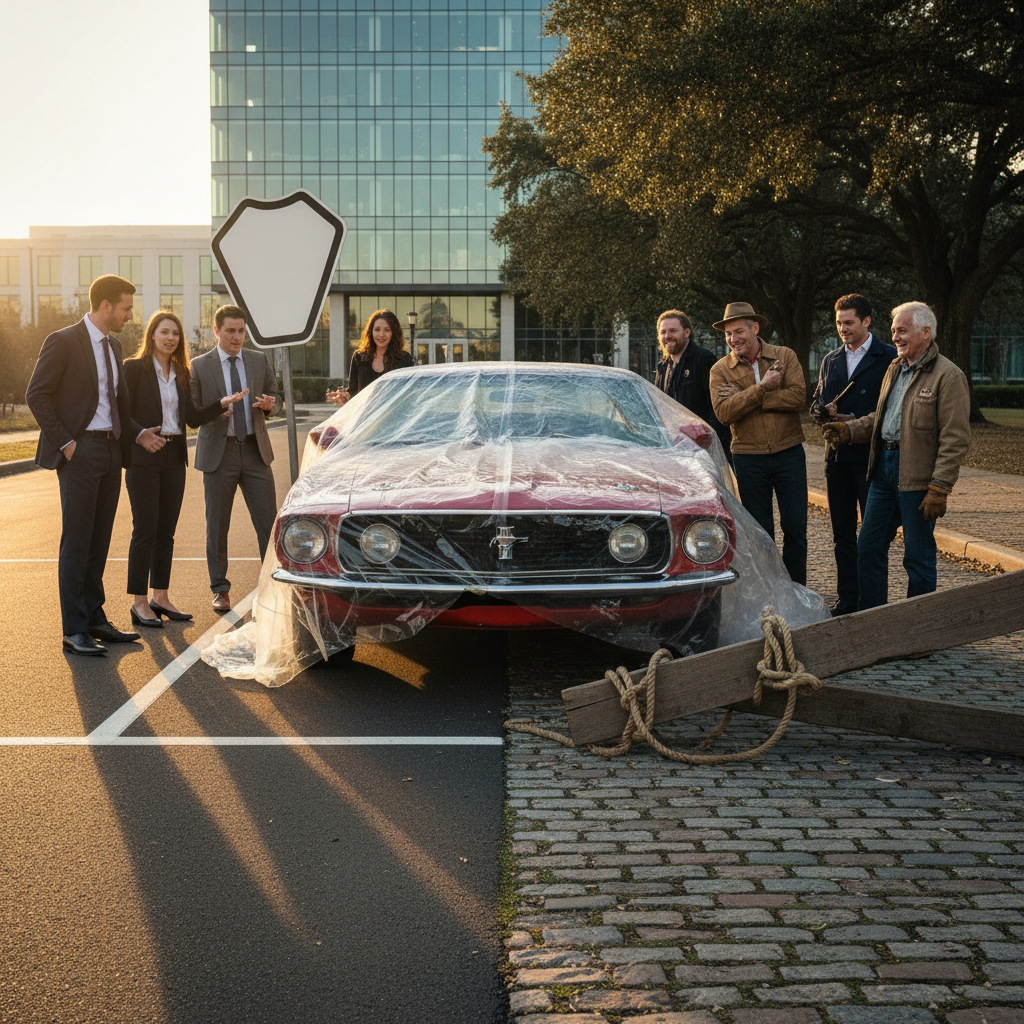
While Representative Luger-Nikolai stated the bill was intended to expand weekend driving privileges for classic plate owners, enabling them to drive their vehicles anytime on Saturdays and Sundays during daylight hours, the proposal was met with significant concern and even outrage from the classic car community. Enthusiasts widely viewed HF 3865 as a move to impose new, stricter limitations on their cherished hobby. Critics argued that the bill would effectively confine their vintage machines to weekend-only use, with weekday driving permitted only for specific, officially recognized events such as car shows, parades, or club activities.
The vague wording surrounding what constituted a “sanctioned event” was a particular point of contention. Many classic car owners feared that routine activities like impromptu drives, evening cruises, or even necessary test drives after maintenance or restoration work would become illegal. This perception of increased restriction clashed sharply with the bill's stated intent to offer more flexibility for weekend enjoyment, leading to a passionate backlash from the state’s vibrant classic car culture.
The Current Landscape Remains Unchanged
With the bill's failure to move forward in the 2026 legislative session, the existing regulations governing classic cars with collector plates in Minnesota will remain unchanged. This means there will be no new expansions to weekend driving opportunities, but crucially, no additional restrictions on weekday or nighttime use either. Classic car owners can continue to operate their vehicles under the same rules as before, without the specter of impending bans or highly specific curfews.
It is important to note for an international audience that Minnesota's system offers various collector plate options, which typically come with reduced fees compared to standard registration, acknowledging that these vehicles are not daily drivers. However, classic cars can still be registered with standard plates, allowing unrestricted use, albeit with regular registration expenses.
A Broader Conversation on Automotive Heritage
The debate surrounding HF 3865 in Minnesota reflects a larger, ongoing conversation happening across various regions regarding the balance between preserving automotive heritage and addressing modern concerns such as environmental impact and urban congestion. Similar legislative efforts and discussions about classic car usage have been observed in other states, highlighting a growing tension between the passion of collectors and evolving regulatory landscapes.
While the immediate threat of new restrictions has passed for Minnesota's classic car community, the discussion initiated by HF 3865 serves as a reminder of the need for clear communication between lawmakers and enthusiasts to ensure that legislative changes genuinely serve the community's best interests and safeguard the future of classic car culture.