
Rare 'Panther Pink' 1970 Dodge Charger 500 Smashes Records at Auction
In a powerful testament to the enduring allure and appreciating value of iconic American muscle, a strikingly rare 'Panther Pink' 1970 Dodge Charger 500 recently commanded an impressive $220,000 at auction. This significant sale not only highlights a growing trend in the collector car market but also establishes the vehicle as the most expensive non-R/T Charger of its kind to cross the auction block, sending ripples of excitement through the classic automotive community.
The 1970 Dodge Charger, a definitive symbol of the muscle car era, is revered by enthusiasts worldwide for its aggressive styling and formidable performance. However, this particular example transcends typical collectibility due to its exceptionally rare 'Panther Pink' (FM3-code) paint finish. Only a handful of Mopar vehicles from this period were optioned with such vibrant, high-impact colors, making them instant rarities upon production and highly coveted collector items today. The specific shade of pink, part of Dodge's 'high-impact' color palette, was not for the faint of heart and represented a bold statement, reflecting the audacious spirit of the late 1960s and early 1970s automotive landscape.
The Allure of Factory Rarity
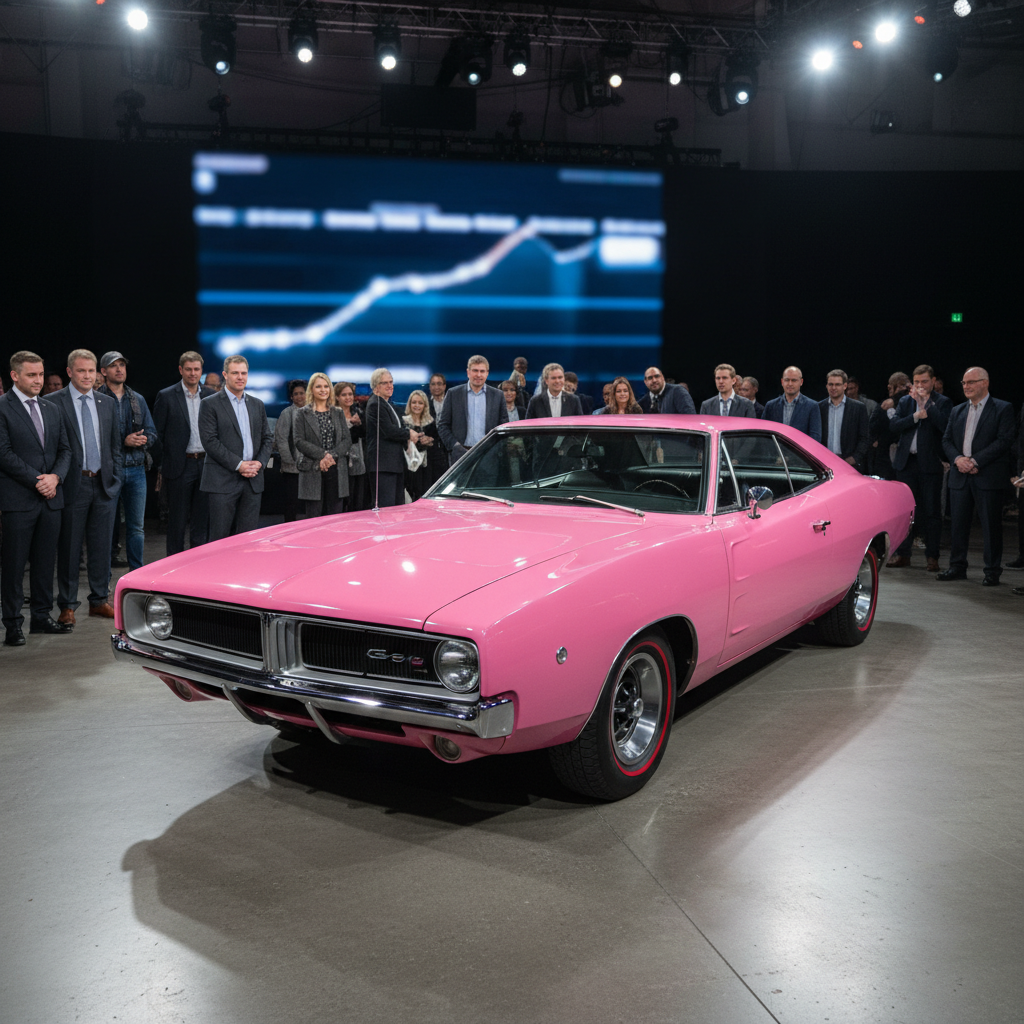
What makes this 'Panther Pink' Charger 500 so remarkable is not just its color, but its factory specification. The Charger 500 was a distinct model, originally conceived for NASCAR homologation, featuring a flush rear window and a revised grille to improve aerodynamics on the racetrack. While the R/T (Road/Track) models are generally considered the pinnacle of Charger performance and command high prices, this non-R/T 500, with its unique color and condition, has carved out its own elite status. Its record-breaking sale price of $220,000 underscores the market's increasing appreciation for factory-original, highly documented, and exceptionally rare examples, particularly those with unusual or limited-production options like the FM3 pink paint.
The provenance and originality of such vehicles play a crucial role in their valuation. Collectors are increasingly seeking cars that tell a complete story, from their initial production details to their maintenance history and any restoration efforts. A vehicle retaining its factory-correct specifications, especially a rare color code, often sees its value soar. This 'Panther Pink' Charger embodies that ideal, presenting itself as a true survivor that has been meticulously preserved or restored to its original glory. The inherent rarity of the color – Panther Pink being among the rarest of the high-impact hues offered by Chrysler Corporation – contributes significantly to its elevated status and desirability among discerning collectors.
A Shifting Collector Landscape
The auction result for this 1970 Dodge Charger 500 serves as a compelling indicator of the dynamic nature of the classic car market. While traditional investments like real estate or stocks have their cycles, the classic car market often operates on its own unique trajectory, driven by passion, nostalgia, and the tangible artistry of automotive engineering. The record sale suggests a robust appetite for specific segments of American muscle cars, especially those that combine historical significance with extreme rarity. It’s a market where a distinctive color or a unique factory option can dramatically elevate a vehicle's value beyond that of a more common, albeit powerful, counterpart.
For enthusiasts and collectors, this Charger's sale is more than just a transaction; it's a cultural benchmark. It reaffirms that well-preserved and unique examples of American automotive heritage continue to captivate and command premium prices. It also inspires future generations of restorers and preservationists to seek out and safeguard these automotive treasures, ensuring that the stories and innovations of bygone eras remain vibrant within the classic car community. The 'Panther Pink' Charger 500, once a bold statement on the road, is now a shining example of cultural preservation, its vibrant hue a beacon for the enduring appeal of automotive history.