Tempe History Museum Unveils "Ranfla Vida" Exhibit, Celebrating Lowrider Culture
Tempe, Arizona – The vibrant and deeply rooted lowrider culture of the American Southwest has found a prominent new home at the Tempe History Museum, which recently unveiled its compelling new exhibit, "Ranfla Vida." Opening its doors with an article published on May 11, 2026, the exhibition delves into the rich history, artistry, and community spirit behind lowriding, particularly as celebrated by Latino, Chicano, and Indigenous communities across Arizona and beyond.
For an international audience, lowriding is far more than just modifying a car; it is a profound cultural expression, an art form, and a lifestyle that emerged from Mexican-American communities in the mid-20th century. Characterized by cars with lowered suspensions (often hydraulically or pneumatically actuated for dramatic effect), intricate paint jobs, custom interiors, and chrome accents, lowriders are mobile sculptures. The term "ranfla," as senior curator Marco Albarran explains, is essentially Spanish slang for car, often specifically referring to lowriders, and "vida" means life. Thus, "Ranfla Vida" translates to "Car Life" or "Lowrider Life," perfectly encapsulating the exhibit's theme.
A Deep Dive into Lowrider Heritage
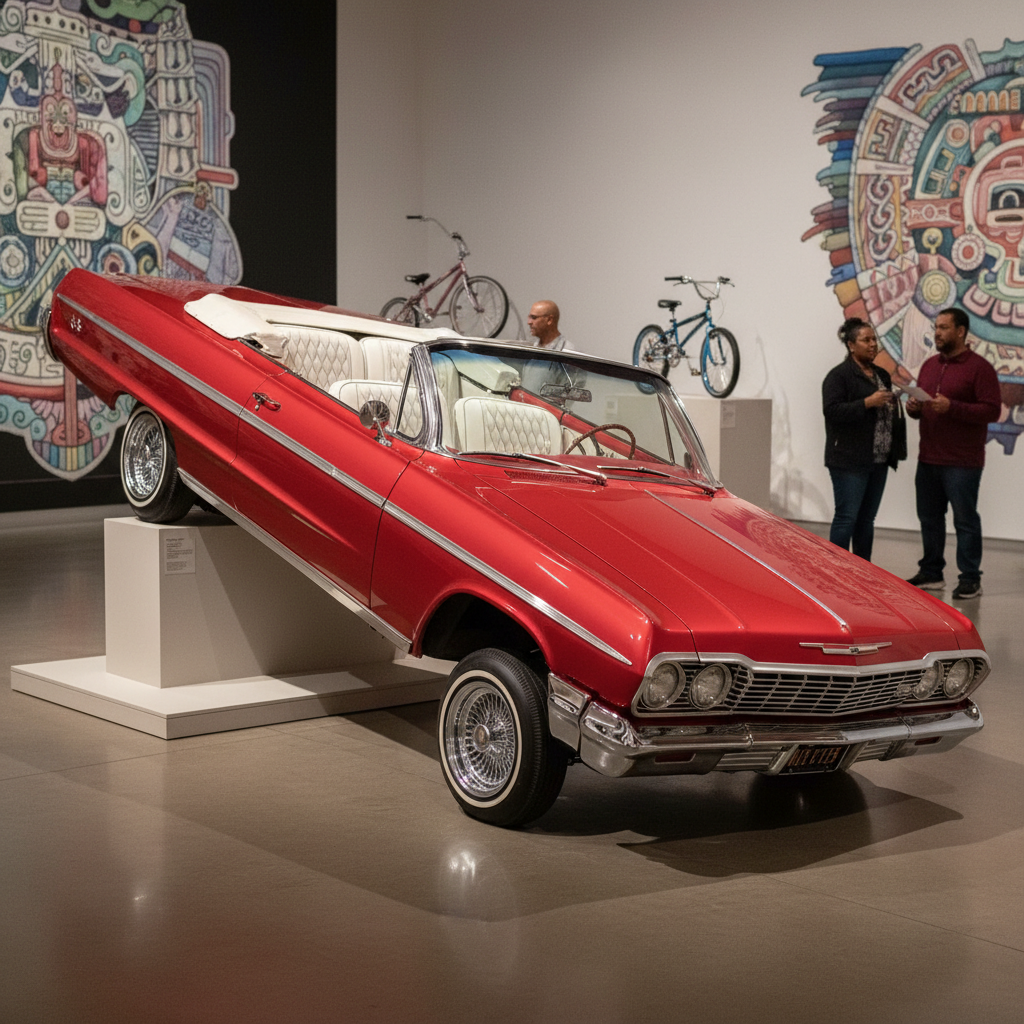
Upon entering the museum, visitors are immediately greeted by a cherry-red Chevrolet lowrider, a quintessential example of the genre, proudly parked in the main lobby. This classic cruiser, currently on loan to the museum, sets the stage for an immersive experience into a culture that has long been a symbol of identity, pride, and artistic freedom.
The "Ranfla Vida" exhibit aims to shed light on the historical significance and ongoing evolution of lowrider culture. It addresses the misconceptions that have sometimes plagued lowriding, highlighting its core values of family, community, and meticulous craftsmanship. The exhibition showcases a diverse array of artifacts, including model lowrider cars, metallic club plaques that signify membership and camaraderie, and an assortment of collectible Homies figurines, all of which contribute to the rich tapestry of this unique subculture. Each element tells a story of dedication, artistic vision, and collective identity that resonates deeply within the communities it represents.
More Than Just Cars: Community and Artistry
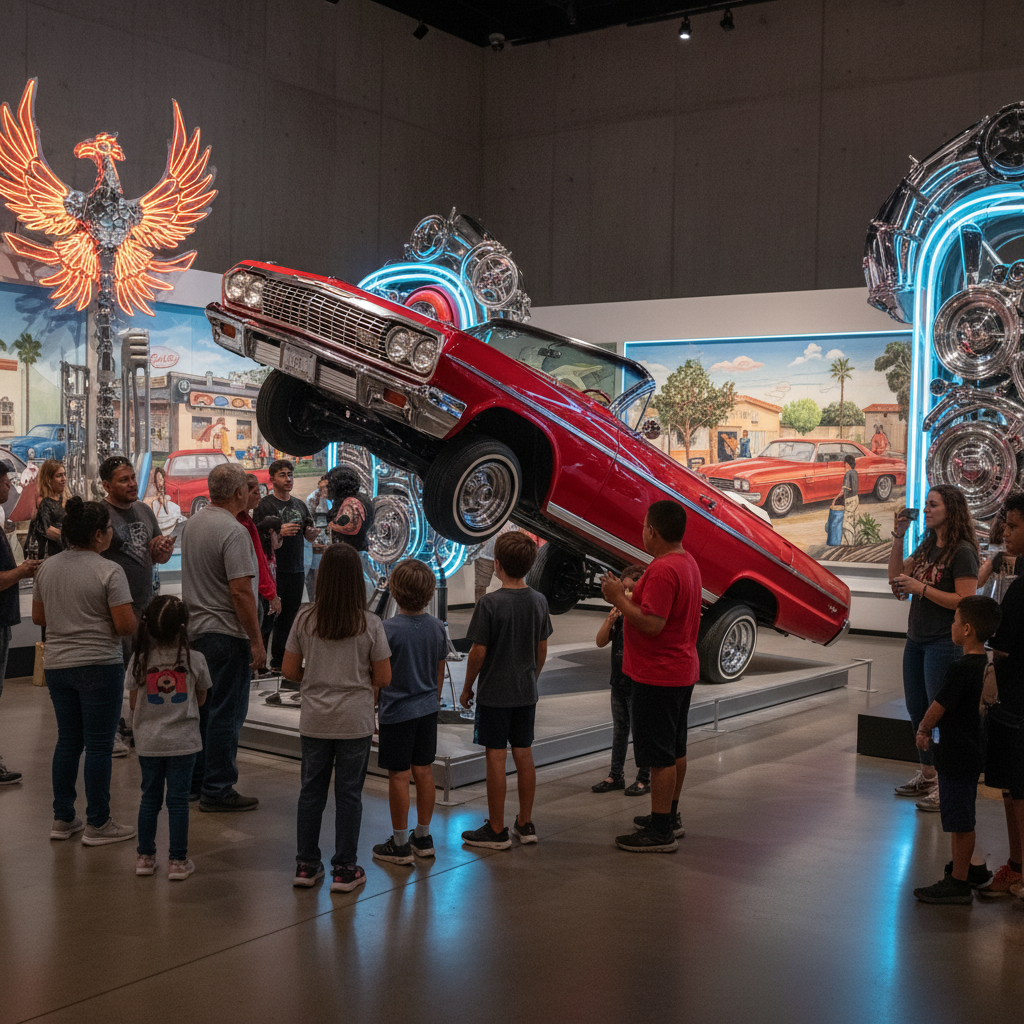
While the gleaming vehicles are undoubtedly the stars, "Ranfla Vida" emphasizes the human element and community aspect that defines lowriding. Senior curator Marco Albarran, whose own Somerton car club jacket from his hometown near Yuma is proudly displayed in a glass case, noted the overwhelming willingness of enthusiasts to contribute to the exhibit. "I had many other people [who] wanted to have their cars inside. They're family oriented, so they are open," Albarran shared, underscoring the inclusive and welcoming nature of the lowrider community.
The exhibit also touches upon the challenges faced by the lowrider community, such as cruising bans that remain in effect in various cities like Phoenix. Despite these obstacles, Arizona continues to host some of the largest lowrider shows in the Southwest, demonstrating the enduring passion and resilience of its adherents. Events in Glendale and Guadalupe, for instance, draw massive crowds, serving as vital platforms for enthusiasts to showcase their rolling works of art and celebrate their shared heritage. The "Ranfla Vida" exhibit, running through December, serves as a powerful testament to this resilience and a crucial educational resource for understanding this unique facet of automotive culture.
Through its thoughtful curation, "Ranfla Vida" invites visitors to appreciate the artistry, innovation, and social significance of lowriders. It's a celebration of a tradition that transforms classic automobiles into canvases for cultural expression, reinforcing the idea that cars can be profound symbols of heritage and community spirit. The Tempe History Museum has created a vital platform for showcasing a living, breathing cultural phenomenon that continues to thrive and evolve.