ArtCenter's Design Invitational Celebrates Italian Automotive Heritage in Pasadena
Pasadena, California is set to become a focal point for automotive enthusiasts and design aficionados as the prestigious ArtCenter College of Design prepares to host its 2026 Design Invitational. Formerly known as the 'Car Classic,' this annual exhibition promises an unparalleled showcase of iconic vehicles, with a dedicated spotlight on the unparalleled influence of Italian design on the global automotive landscape.
Scheduled for Sunday, May 31st, the event will transform the Sculpture Garden of the college’s historic hillside campus into a curated spectacle featuring over 65 exceptional vehicles, encompassing not only cars but also motorcycles and even a unique aircraft. These masterpieces are drawn from both the esteemed ArtCenter community and private collections, offering a rare glimpse into the evolution of transportation design across eight decades.
A Fusion of Past, Present, and Future
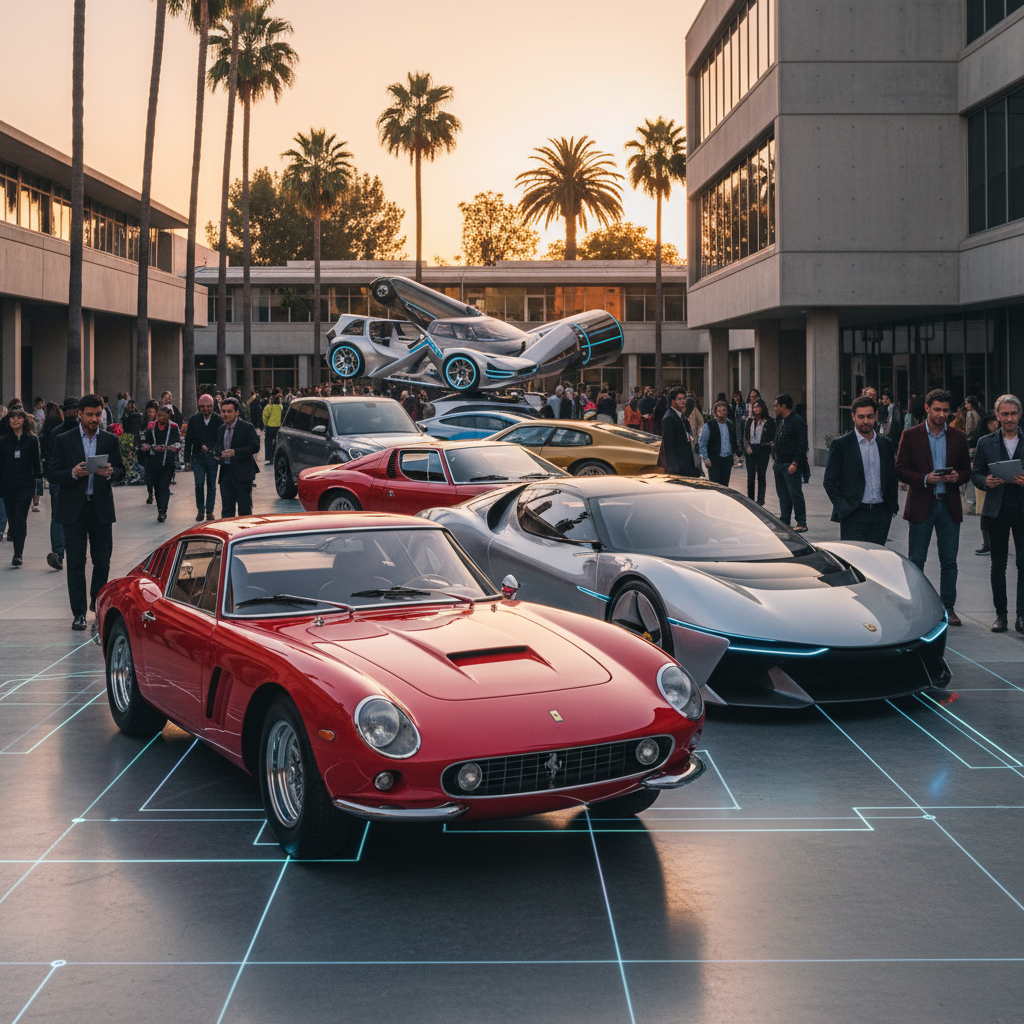
The Design Invitational is celebrated for its unique ability to bridge the gap between historical significance and cutting-edge innovation. Marek Djordjevic, the Chair of Transportation Design at ArtCenter, emphasized this aspect, describing the event as the “ultimate fusion event.” He noted its role in bringing together multiple generations of design, providing students and the public with a unique opportunity to experience automotive history as a continuous narrative, seamlessly connecting the past, present, and future. For students in ArtCenter’s renowned Transportation Design program, the Invitational serves as a dynamic, living classroom, offering invaluable chances to interact with leading designers and collectors, and to study seminal vehicles up close.
The Enduring Legacy of Italian Design
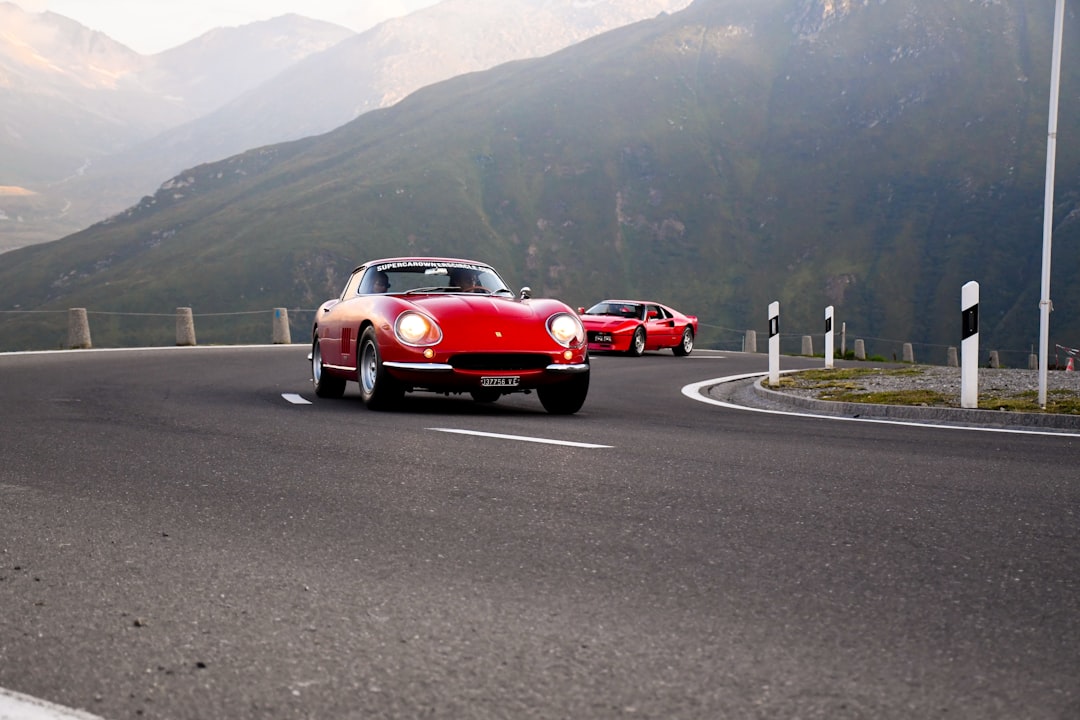
This year’s special focus on Italian design underscores the profound impact the nation has had on vehicle aesthetics and engineering. The exhibition will feature a significant collection representing legendary Italian marques such as Alfa Romeo, DeTomaso, Ducati, Ferrari, Fiat, Lamborghini, Lancia, and Maserati. Each brand has contributed distinctively to the artistry and performance that define Italian automotive heritage, and the Invitational aims to celebrate this rich tradition.
Among the anticipated highlights is a striking dark-green-tinted 2025 Ferrari Daytona SP3, a jewel from David Lee’s famous collection, which he playfully refers to as his “relish” collection, complementing his yellow and red Ferraris from his “mustard” and “ketchup” assortments. This modern hypercar demonstrates the continuing innovation of Italian design. Further cementing the Italian theme, attendees will marvel at a landmark 1952 Lancia Aurelia B20 GT, a vehicle widely recognized for its role in defining the modern grand tourer category. Its elegant lines and advanced engineering for its time set benchmarks that continue to influence automotive design today.
Another rare gem on display will be the 1960 Porsche 356 Zagato Speedster. This particular model is a fascinating example of cross-cultural collaboration, showcasing a rare fusion of meticulous German engineering from Porsche with the distinctive, flowing coachwork of Italian design house Zagato. Such vehicles exemplify the global dialogue within the classic car world, where boundaries often blur in the pursuit of automotive perfection. Enthusiasts will also have the opportunity to see one of fewer than ten surviving examples of a 1969 Fiat Michelotti Shellette, a truly unique and historically significant vehicle.
The 2026 Design Invitational is open to the public, with tickets priced at $35. Given the caliber of vehicles and the unique thematic focus, early registration is highly recommended for those wishing to partake in this exceptional celebration of automotive design and history. For a world increasingly moving towards standardized and digital experiences, events like the ArtCenter Design Invitational serve as vital reminders of the tangible beauty, ingenuity, and passion that define the classic car world, ensuring its legacy for future generations of designers, engineers, and enthusiasts.