The Enduring Craft: Modern 'Few-Offs' Revive Classic Coachbuilding Spirit
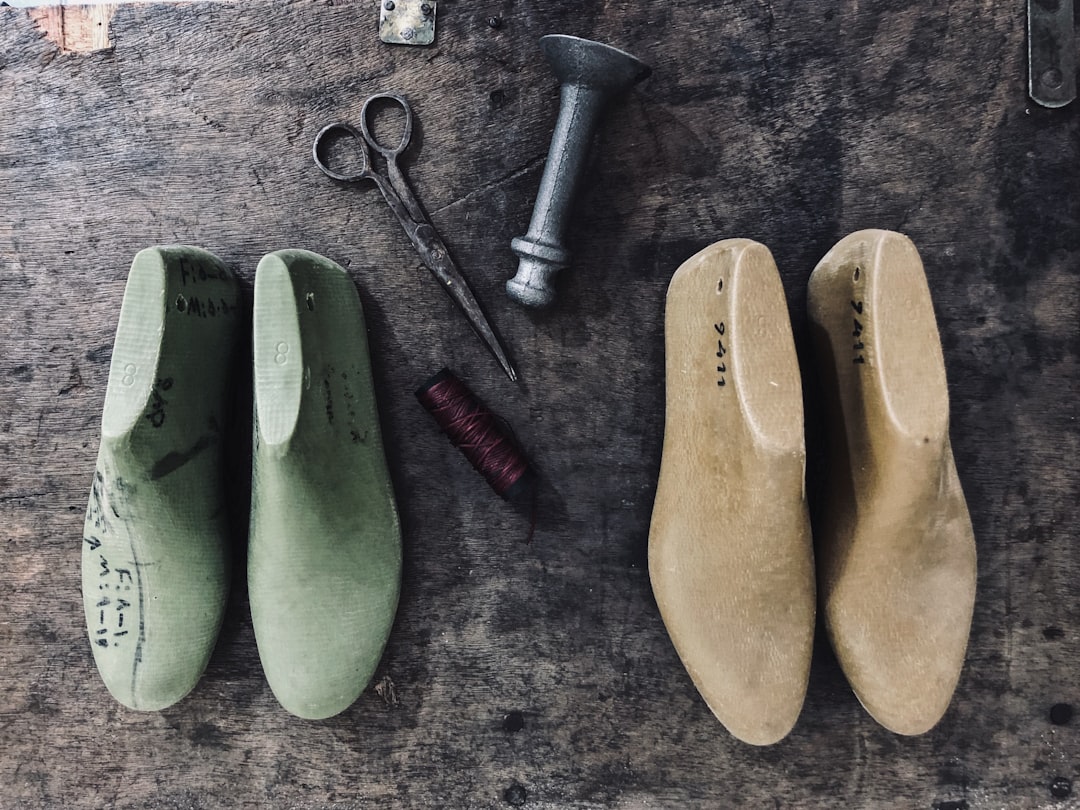
In an automotive landscape increasingly dominated by mass production and standardized designs, a fascinating resurgence is taking place at the pinnacle of luxury motoring. The age-old art of coachbuilding, once the hallmark of bespoke automotive creation, is experiencing a vibrant revival through contemporary ‘few-off’ projects. This trend sees manufacturers and specialist workshops producing highly limited series of unique vehicles, echoing the personalized craftsmanship that defined early motoring and continues to captivate classic car enthusiasts today.
A Legacy of Bespoke Automotive Artistry
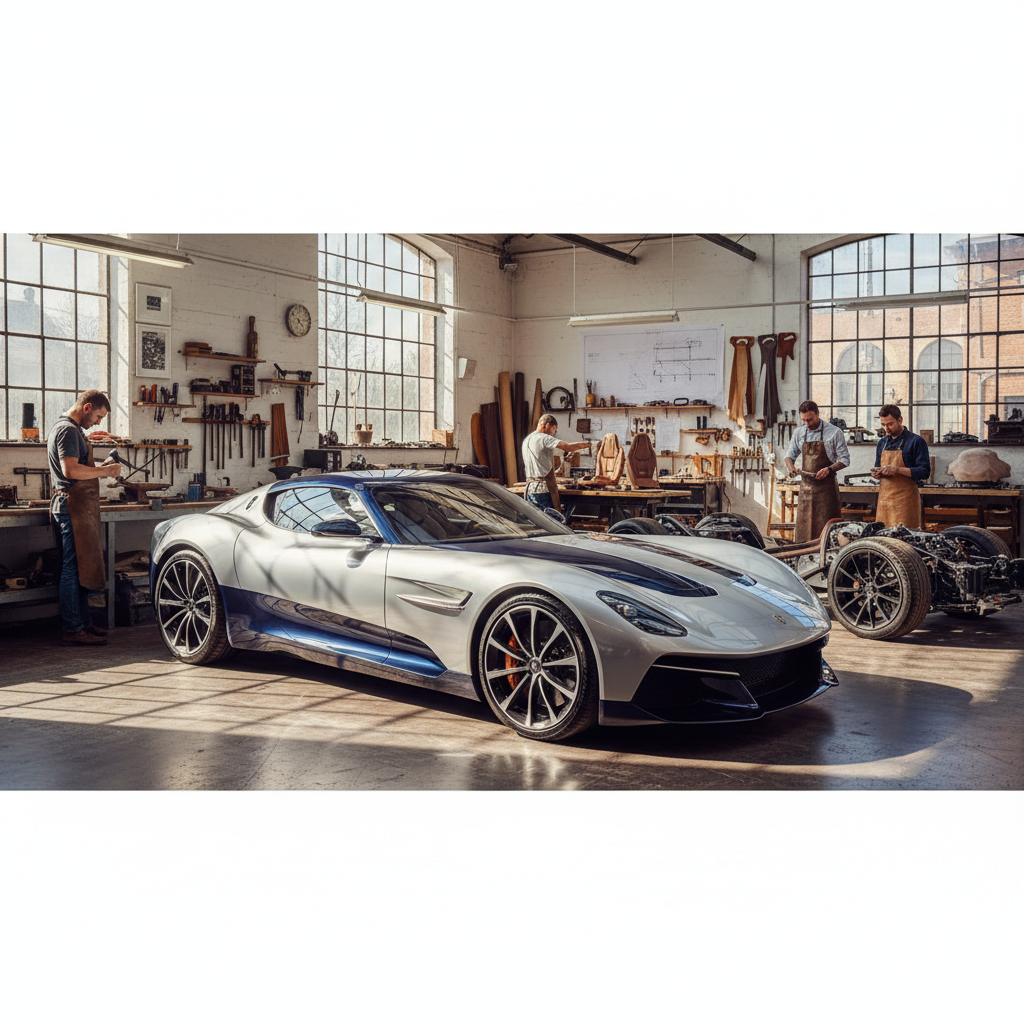
Historically, before the advent of assembly lines and mass-market vehicles, car ownership was largely the domain of aristocrats, industrialists, and eccentrics who commissioned rolling chassis from manufacturers and then engaged independent coachbuilders to create custom bodies. This symbiotic relationship resulted in truly unique automobiles, each a personal statement from its owner and a testament to the artisan's skill. These early patrons funded what was then the highest expression of vehicular transport, pushing boundaries of design, luxury, and performance. Iconic vehicles like the Bugatti Type 57 SC Atlantic, often referred to as the 'Pope Atlantic' for one of its four examples, stand as enduring symbols of this golden era of bespoke automotive craftsmanship, where every line and curve was meticulously sculpted to individual taste and engineering prowess. The desire for such exclusivity and artistic expression laid the foundation for an appreciation of automotive heritage that resonates deeply within the classic car community.
The Modern Reinterpretation: 'Few-Offs' Take Center Stage
Today, the spirit of this personalized creation is being meticulously reimagined through what are known as 'few-off' automobiles. These are not merely limited editions of existing models; rather, they are distinct creations, often built from the ground up or heavily re-engineered, with an emphasis on unique design, advanced materials, and unparalleled exclusivity. The process, while incorporating modern technology and engineering, channels the philosophy of traditional coachbuilding: to create a vehicle that is a signature piece, an extension of the owner's identity, and a work of art. This modern approach to bespoke manufacturing involves extensive collaboration between designers, engineers, and clients, ensuring that each vehicle is tailored to precise specifications and desires. The shift towards these ultra-exclusive projects highlights a move beyond mere transportation, viewing the automobile as a convergence of high art, engineering excellence, and personal indulgence, a sentiment perfectly understood by those who cherish classic cars.
Bridging the Past and Future of Automotive Excellence
For aficionados of classic cars, this contemporary coachbuilding trend offers more than just a glimpse into the future of luxury motoring; it reinforces the timeless appeal of automotive individuality and craftsmanship. It demonstrates that the value placed on unique design, meticulous attention to detail, and a compelling narrative behind each vehicle is not confined to the past. The intricate processes involved in creating a 'few-off' car today—from the selection of exotic materials to the hand-finishing of interior elements—mirror the dedication of master artisans from decades gone by. This continuity in valuing artistry over mass appeal ensures that the skills and philosophies central to classic car preservation and restoration remain relevant and celebrated. As these modern masterpieces emerge, they serve as a powerful reminder that the passion for automobiles transcends eras, fostering a renewed appreciation for both historical automotive legends and their bespoke successors. The enduring allure of one-of-a-kind vehicles, whether vintage or contemporary, continues to shape the narratives of automotive culture, ensuring that the legacy of truly exceptional cars remains vibrant for generations to come.