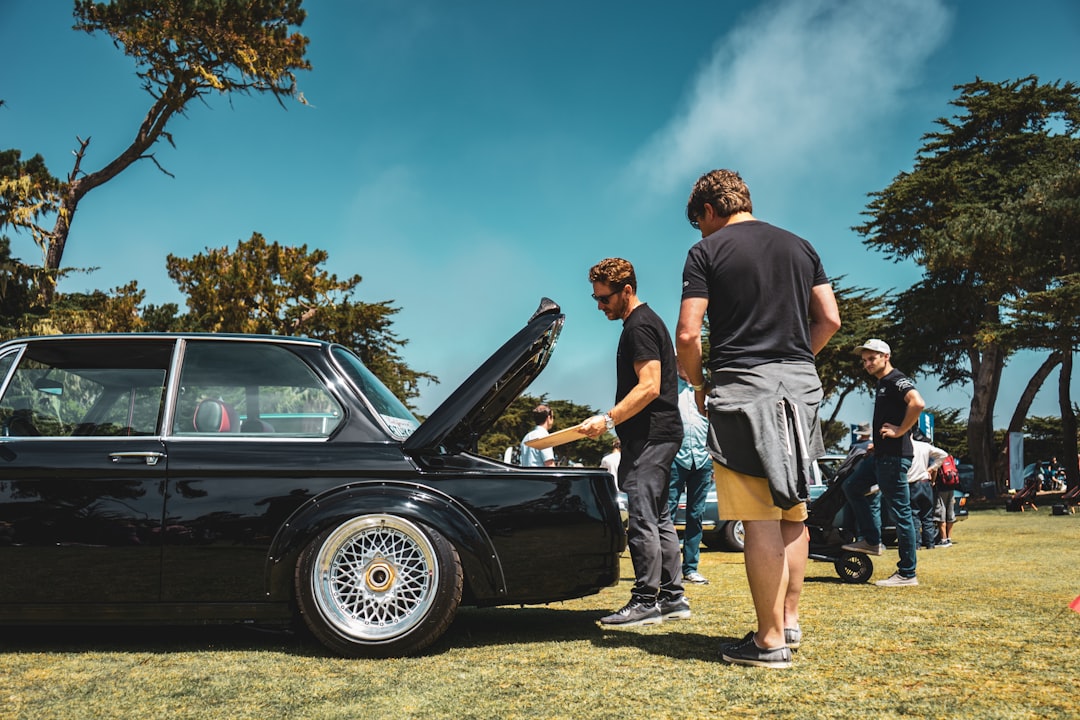
Classic Car Market Sees Generational Shift and Rise of Modern Classics in 2026
The global classic car market is experiencing a significant transformation in 2026, marked by a notable generational shift among collectors and an increasing appetite for modern classics. While the overall market is undergoing a period of recalibration, specific segments, particularly high-end vehicles and those from the 1990s and 2000s, are demonstrating remarkable resilience and growth, largely propelled by new buying demographics and evolving preferences.
Recent reports indicate that the collector car market witnessed a "gentle cooling" in 2024, with overall prices declining by approximately 10.2%, or 14% when adjusted for inflation. However, market activity remains robust, with a stabilized sell-through rate. This apparent cooling masks a more complex, bifurcated market: the top-tier continues to thrive, fueled by wealthy buyers, while the lower end faces a more challenging environment as buyers contend with economic pressures.
Younger Generations Drive Market Evolution

A pivotal force reshaping the classic car landscape is the influx of younger generations, specifically Generation X, Millennials, and Gen Z. As Baby Boomers gradually scale back their involvement, these new collectors are stepping in, bringing with them distinct purchasing habits and preferences. The average age of classic car owners has notably shifted from 58 to 54 years old, underscoring this demographic change.
These younger buyers, who are inherently more comfortable with digital platforms, are significantly contributing to the surge in online classic car sales. Online auction listings have consistently climbed, reflecting a broader acceptance and preference for digital transactions in the collector community. This digital comfort also translates into a desire for usability; today's collectors are increasingly prioritizing cars that offer classic charm and character but can be driven and enjoyed without the constant demands of traditional, high-maintenance vintage vehicles. They seek reliability and modern drivability, wanting classics that integrate seamlessly into contemporary life.
The Ascent of Modern Classics and "Usable" Collectibles
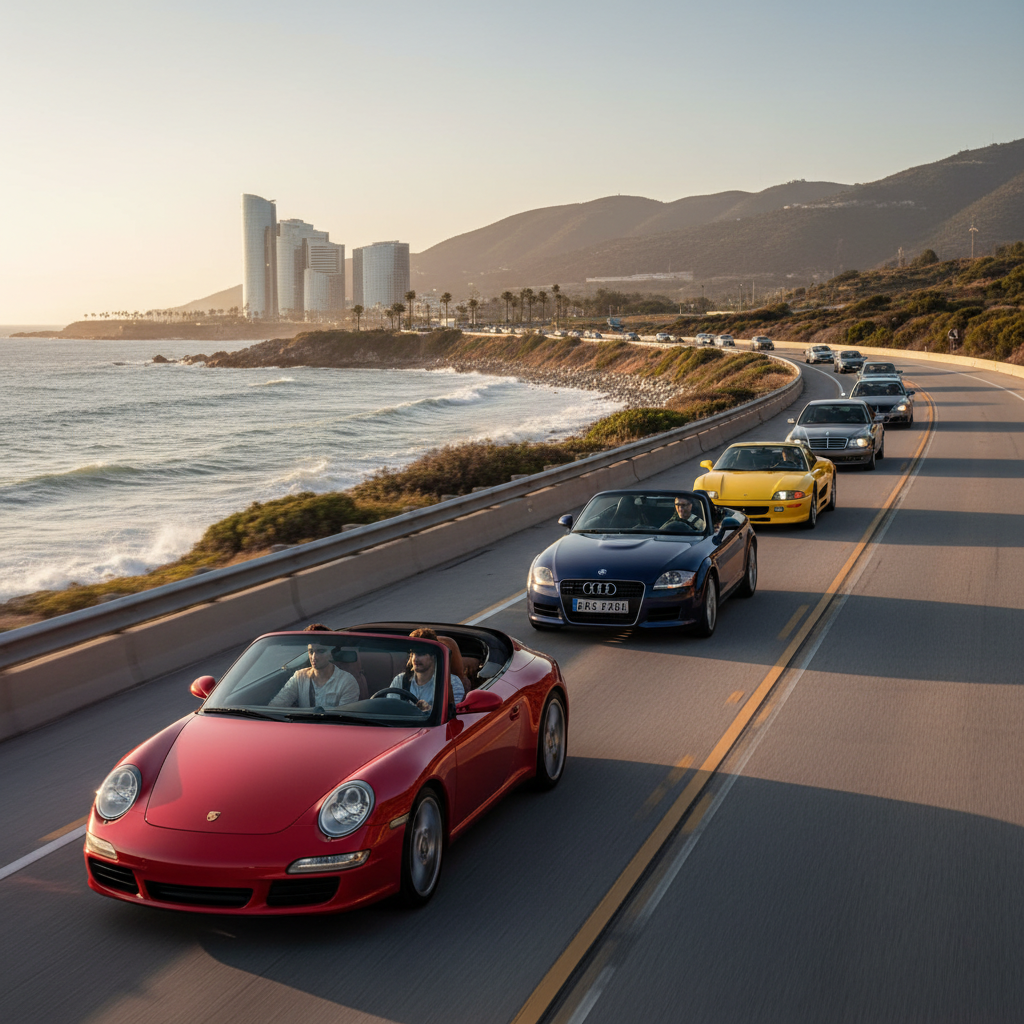
The shifting demographics are directly influencing the types of vehicles gaining popularity. There is a strong and growing interest in what are termed "modern classics" – vehicles from the 1990s and later, particularly high-performance supercars. Cars introduced in the 2000s were notably the only ones to see a rise in mean values in 2024, demonstrating this trend.
Examples like certain generations of the Porsche 911, the Maserati MC12, and even iconic Japanese Domestic Market (JDM) imports eligible under the 25-year rule, are experiencing significant value increases. Hagerty's 2026 Bull Market List further substantiates this, highlighting vehicles from the '90s and '00s as prime candidates for appreciation, often representing the "final chapter of the analog era" – cars that combine modern speed with manual transmissions and limited electronic interference.
This preference extends to a broader emphasis on "usable classics." Collectors are increasingly looking for cars that are not just showpieces, but vehicles they can confidently drive, service, and insure without them becoming a full-time project. Sympathetic upgrades that enhance reliability and drivability are becoming mainstream, especially in regions like the UK and Europe where classic car ownership is often more leisure-driven.
A Dynamic Market with Investment Potential
Despite the broader market adjustments, the classic car sector continues to be recognized as a viable component of a diversified investment strategy, offering both potential financial returns and cultural appeal. While 2026 may not be a "boom year" in the traditional sense, the market is showing signs of stabilization, with the rate of price declines slowing and buyer and seller expectations aligning more closely.
The top end of the market remains particularly robust, attracting a significant number of new entrants. Some high-value sales, such as a rare 1962 Ferrari 250 GTO fetching $38.5 million at a 2026 auction, underscore the enduring appeal and investment potential of exceptional vehicles. However, for middle-market segments, a more cautious approach is advisable, with emphasis on buying cars for enjoyment rather than pure speculation. The overarching sentiment points towards a market that rewards well-maintained, historically significant, and, crucially, usable classics that resonate with a new generation of enthusiasts.