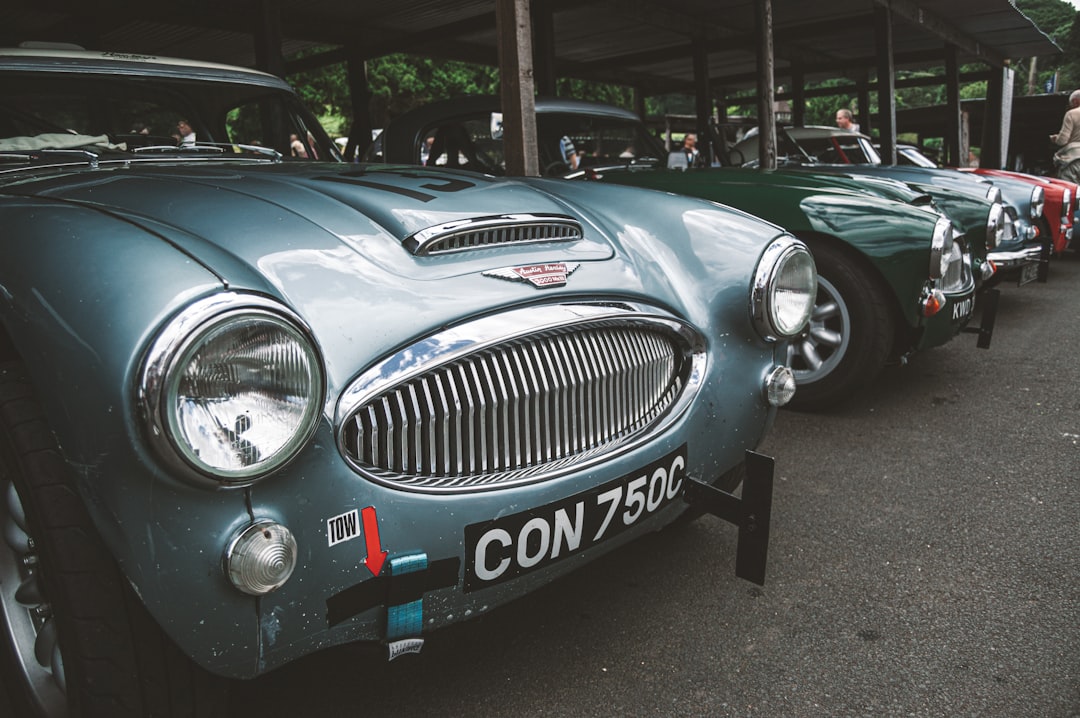
Classic Car Market Shifts Gear: A Measured Correction, Not a Crash
The global classic car market is currently navigating a period of adjustment, with experts describing the phenomenon as a 'correction' rather than a 'collapse.' After several years of unprecedented growth, particularly between 2020 and 2022, prices are beginning to level off, and in some segments, even decline. This shift presents a nuanced landscape for collectors, investors, and enthusiasts alike, signaling a return to more rational buying patterns and offering new opportunities for the discerning buyer.
Economic Currents and Post-Pandemic Realignment

One of the primary drivers behind the current market recalibration is the prevailing global economic environment, marked by higher interest rates. The increased cost of financing has made collectors, even those with substantial wealth, more cautious about making significant discretionary purchases. Classic cars, often considered luxury items, are among the first assets to see reduced demand when broader financial conditions tighten.
The classic car market experienced an extraordinary surge during the 2020-2022 pandemic era. With individuals spending more time at home, disposable income redirected from travel and other leisure activities, and interest rates at historic lows, a significant influx of new buyers entered the market. The rise of online auction platforms further facilitated transactions, leading to rapid price appreciation across a wide spectrum of vehicles, from American muscle to European sports cars. As these unique conditions normalize, the market is naturally seeking a new equilibrium.
Shifting Sands: Demographics and Evolving Tastes
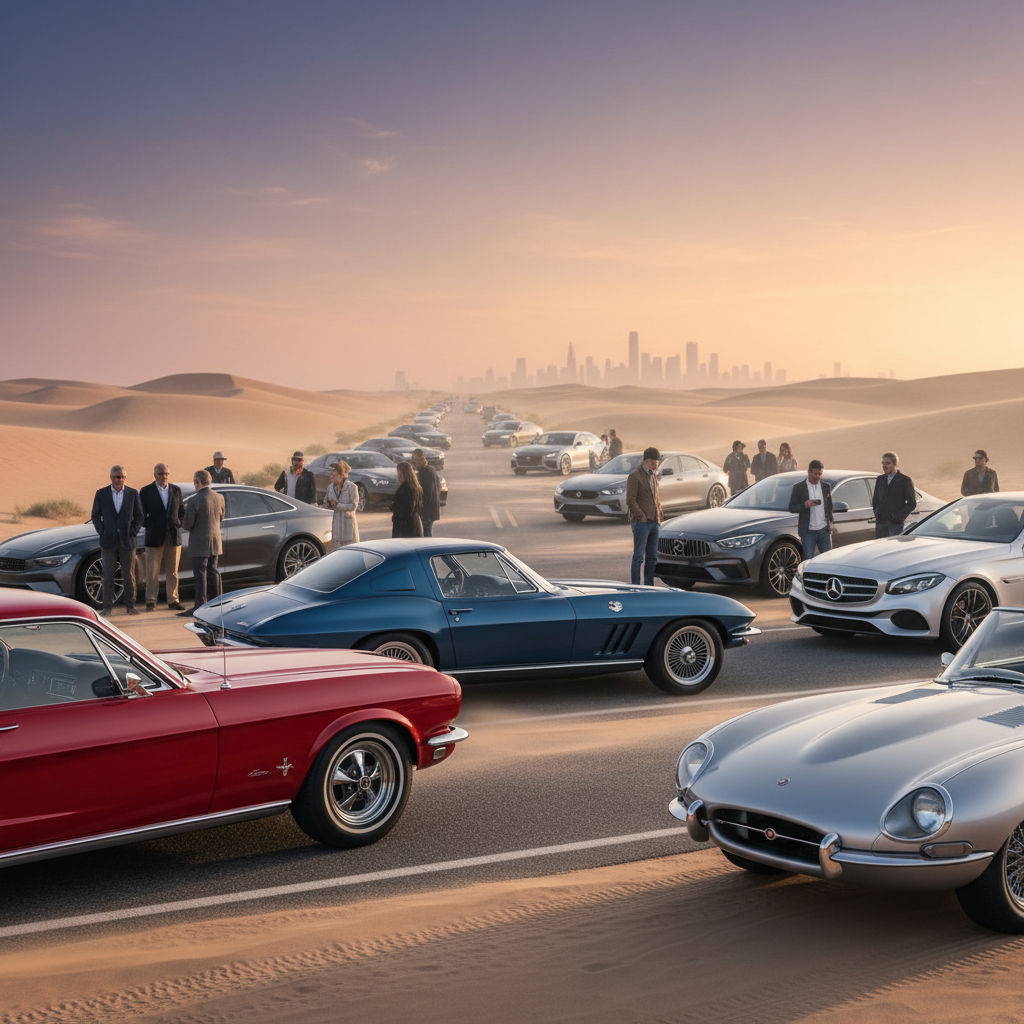
Beyond economic factors, a significant demographic shift is playing a crucial role in shaping current market trends. For decades, the classic car market was predominantly driven by Baby Boomers, a generation that grew up admiring 1950s cruisers and iconic 1960s muscle cars. As this demographic gradually ages out of active collecting, demand for these traditional 'blue chip' vehicles is beginning to soften.
Conversely, younger generations of enthusiasts are entering the market with distinct preferences. Their interests often gravitate towards vehicles from the 1980s, 1990s, and early 2000s, including Japanese performance cars, rugged off-road trucks, and analog-era sports cars. This evolving taste means that while some traditional classics may see less aggressive bidding, newer 'modern classics' are experiencing growing traction and demand.
A Nuanced Market: Bargains and Blue Chips
The current market correction is not uniform across all segments. While top-tier, low-mileage, and immaculately preserved vehicles are largely expected to maintain their value or even continue to appreciate, the mid-tier and 'good' to 'fair' condition cars are more likely to see prices drift downwards. This is partly due to the persistently high and increasing costs associated with restoration and parts, which can make less-than-perfect examples less appealing to buyers factoring in renovation expenses.
Recent auction results provide tangible evidence of this dynamic. For instance, at the January 2026 Mecum Auction in Kissimmee, Florida, some surprising bargains were observed. A 1966 Ford Mustang (automatic/6-cylinder) sold for $8,800, a Lincoln Continental Mark V fetched the same price, and a 1970 Chevrolet Malibu was acquired for approximately $10,000. Additionally, a restored 1931 Ford Model A sold for $8,000, and a 1947 Chevrolet pickup hot rod went for $9,000. These figures illustrate that while the overall market may be cooling, opportunities for enthusiasts to acquire desirable classics at more accessible price points are emerging.
Despite the cooling trends in some areas, the collector car auction scene remains robust, demonstrating the market's underlying strength and continued activity. The same Mecum Kissimmee auction, in January 2026, achieved a record-breaking $445 million in total sales. Strong results were also reported from auctions in Arizona, Amelia Island, and Miami in March 2026, which collectively generated $255.9 million, up from the previous year. This indicates a diverse market where 'staggering results' for significant vehicles coexist with 'plenty of bargains' across various categories.
In conclusion, the classic car market is undergoing a healthy re-evaluation. While the frenetic pace of the pandemic boom has subsided, the market is far from collapsing. Instead, it is settling into a more sustainable pattern, driven by a blend of economic realities and evolving collector interests. For those with a genuine passion for automotive heritage, this period of correction could well represent a prime opportunity to acquire a 'meaningful car' – one with strong design, engineering, and historical significance, destined to hold its appeal over time.