Minnesota Bill Sparks Outcry, Threatening Weekend-Only Classic Car Drives
A legislative proposal in Minnesota, House File 3865 (HF 3865), has ignited a fierce debate within the classic car community, raising concerns that it could severely curtail the freedom of vintage vehicle owners. Introduced in March 2026, the bill seeks to impose stringent new restrictions, potentially limiting classic, vintage, and collector cars to public roads only during daylight hours on weekends, or exclusively for organized events. While the legislation appears to have stalled in committee for now, the ongoing discussion highlights a growing tension between preserving automotive heritage and evolving regulatory landscapes across the United States.
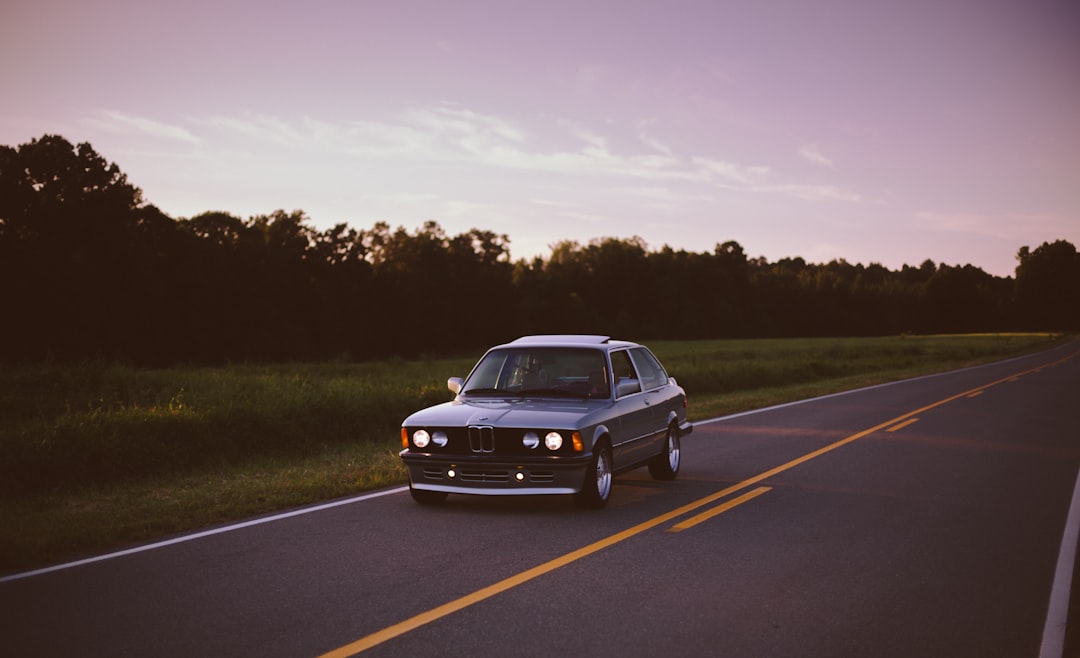
For many enthusiasts, owning a classic car is more than just a hobby; it's a passion, a connection to automotive history, and a cherished part of their lifestyle. The proposed Minnesota bill, however, threatens to transform this enjoyment by significantly narrowing when and how these vehicles can be operated. Under the provisions of HF 3865, driving a collector vehicle on weekdays or at night—even for a casual evening cruise or a necessary test drive after repairs—would become illegal. The legislation also aims to consolidate existing rules for various collector-class vehicles, including street rods, classic motorcycles, and military vehicles, under a single, more restrictive framework.
The Core of the Controversy: Restricted Use and Vague Language
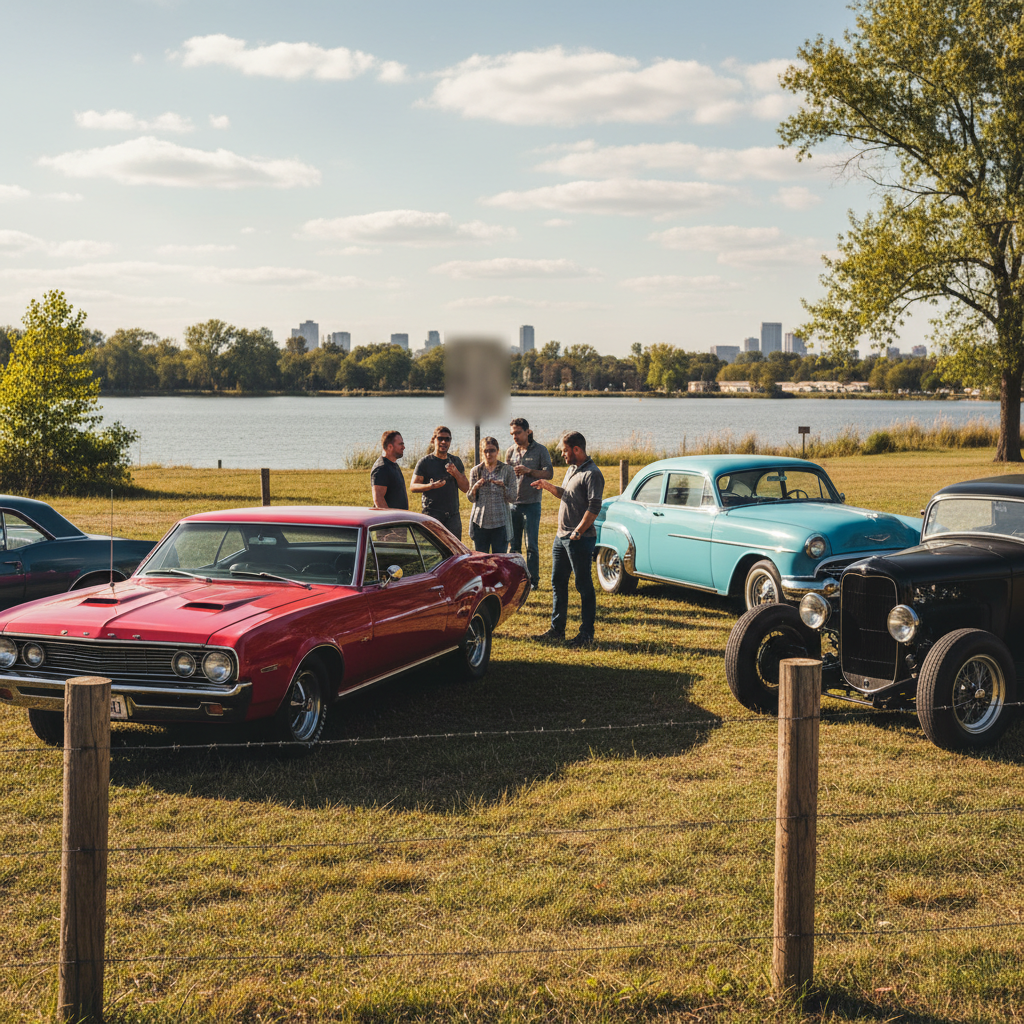
The stated intention behind HF 3865 is to clarify the purpose of collector vehicle registration, which typically offers reduced fees and less rigorous requirements based on the understanding that these cars are not daily drivers. Proponents of the bill argue it would prevent the misuse of collector plates, ensuring they are applied solely to vehicles used as collector's items rather than for general transportation. However, the classic car community views the proposed restrictions as an unprecedented attack on their rights and a profound misunderstanding of their hobby. The bill specifies that operation as a collector's item would include "transportation for a collector vehicle club activity, exhibition, tour, parade, or similar use; and operation on Saturday and Sunday from sunrise to sunset." This language leaves little room for spontaneous enjoyment or essential maintenance-related driving outside these narrow windows.
Critics also point to the vague wording surrounding what constitutes a "qualifying exhibition" or "similar use," which could lead to unpredictable enforcement. This ambiguity creates a chilling effect, making owners hesitant to take their cherished vehicles out for fear of unknowingly violating the law. The sentiment among enthusiasts is that such extreme restrictions could effectively deter future generations from entering the classic car hobby, fundamentally altering car culture in Minnesota and potentially setting a precedent for other regions.
A Broader Battle for Automotive Freedom
The situation in Minnesota is not an isolated incident but reflects a broader trend of increased scrutiny and legislative challenges facing classic car owners across the United States. In California, for instance, a multi-year effort led by figures like Jay Leno has been underway to secure exemptions for pre-1981 collector cars from stringent smog testing requirements, a battle that highlights the ongoing regulatory pressures on older vehicles. While California's efforts have focused on emissions, Minnesota's HF 3865 zeroes in on usage, demonstrating varied approaches to regulating automotive heritage.
Fortunately for classic car owners in Minnesota, the bill has been stuck in committee since early March 2026, suggesting it may not progress to a vote. However, the very existence of such a proposal serves as a potent reminder of the constant vigilance required from the classic car community to protect their passion. Organizations and individual enthusiasts frequently advocate for sensible legislation that balances environmental concerns and road safety with the preservation of automotive history and the joy of driving these iconic machines. The debate surrounding HF 3865 underscores that while the market for certain '90s and 2000s "modern classics" continues to see robust interest, the fundamental right to enjoy all classic vehicles on public roads remains a crucial concern for the entire collector community.