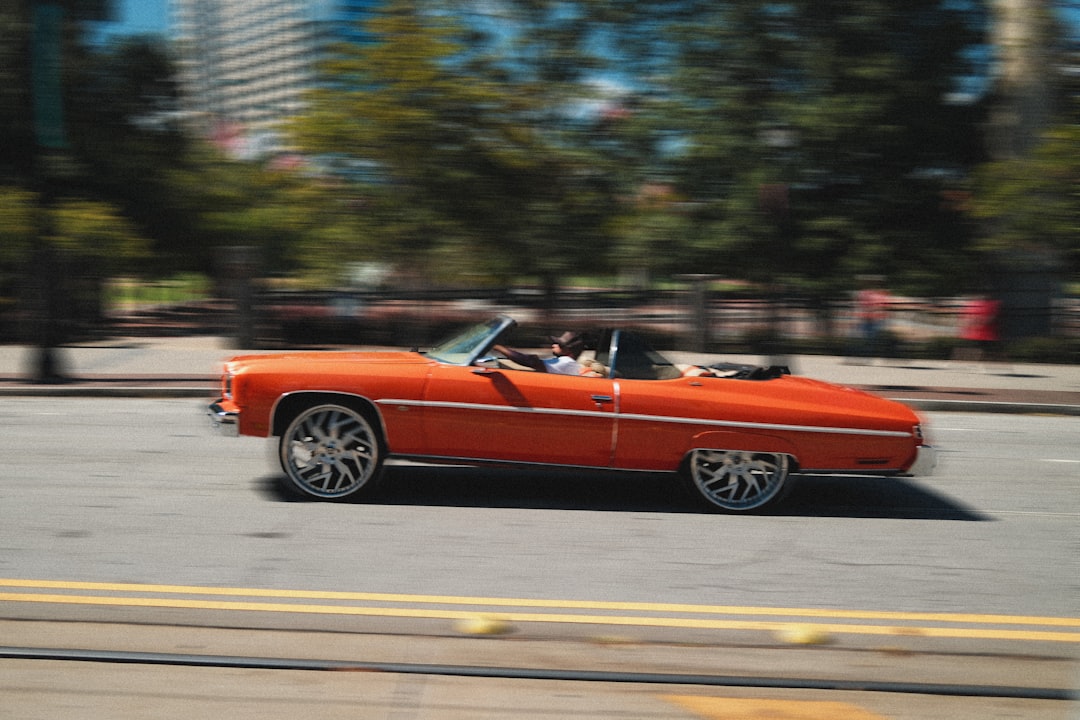
Minnesota Considers Drastic Weekday Driving Ban for Classic Cars
A recent legislative proposal in Minnesota, House File 3865 (HF 3865), is sending ripples of concern through the classic car community. The bill, introduced by State Representative Meg Luger-Nikolai, seeks to significantly alter the regulations governing the use of vehicles registered with 'collector plates', potentially restricting their operation to weekends and specific events only. This development has sparked considerable debate, highlighting the ongoing tension between preserving automotive heritage and modern regulatory oversight.
Proposed Restrictions and Their Impact
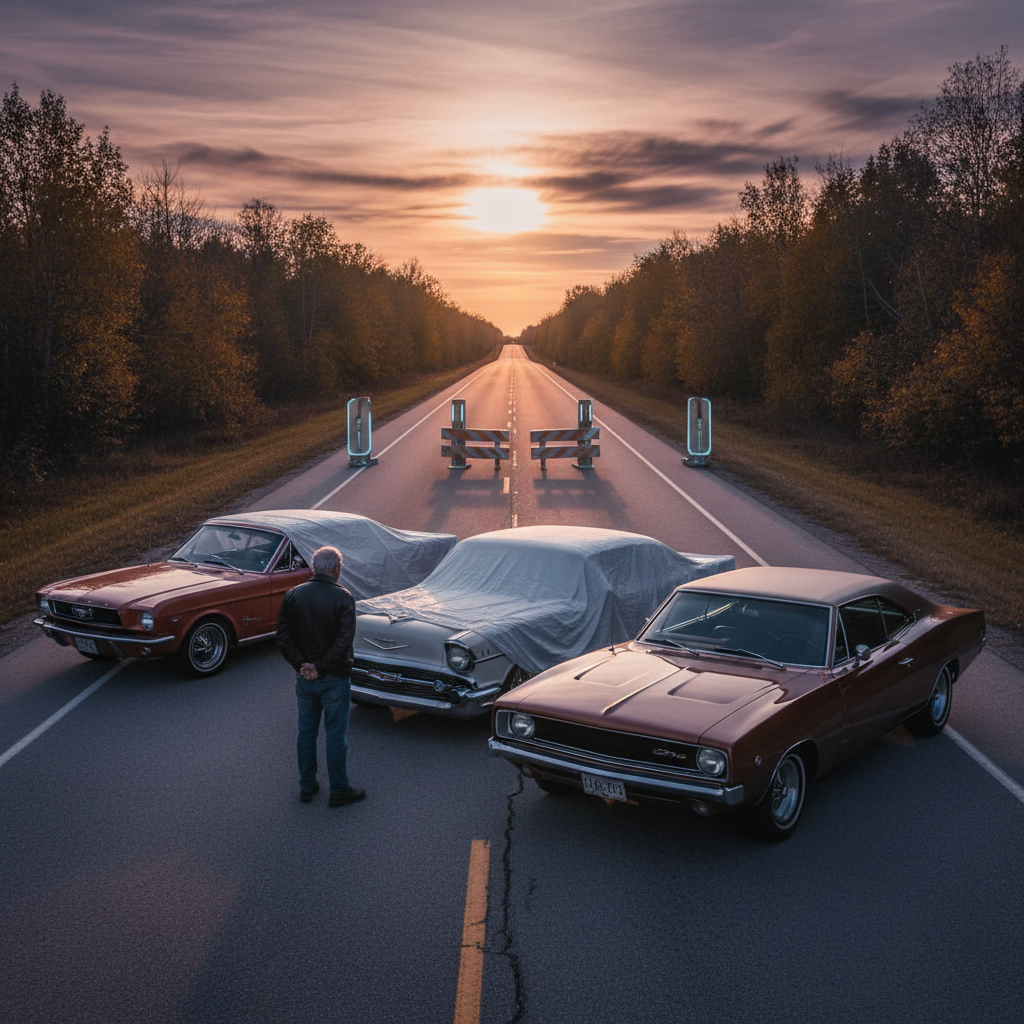
Under the proposed HF 3865, the operation of classic cars with collector plates would be explicitly limited to their role as a 'collector's item' and expressly prohibited for 'general transportation purposes'. The bill outlines permissible usage to include 'transportation for a collector vehicle club activity, exhibition, tour, parade, or similar use', along with 'operation on Saturday and Sunday from sunrise to sunset.' This means that, should the bill pass, classic car owners in Minnesota would largely be barred from driving their cherished vehicles on weekdays, unless participating in an officially recognized club event. It would also prohibit nighttime driving on weekends.
Current Minnesota statutes for collector plates require the vehicle to be at least 20 years old and manufactured after 1935. Owners must also possess another fully registered vehicle, underscoring the understanding that classic cars are not intended for daily commuting. However, previous iterations of these rules did not impose such stringent 'use case' limitations, primarily focusing on general prohibitions against daily transportation without the explicit weekend-only clause. This proposed change marks a significant departure, moving from a general guideline to a highly specific schedule of permissible use.
For many enthusiasts, these restrictions represent a considerable curtailment of their freedom and enjoyment. Activities such as taking a classic car for an impromptu drive, attending informal local meet-ups, or even conducting test drives after maintenance on a weekday would become illegal. Opponents of the bill argue it unnecessarily complicates ownership and detracts from the very essence of classic car appreciation, which often involves spontaneous drives and the ability to work on and test vehicles as needed.
Broader Context and National Debate
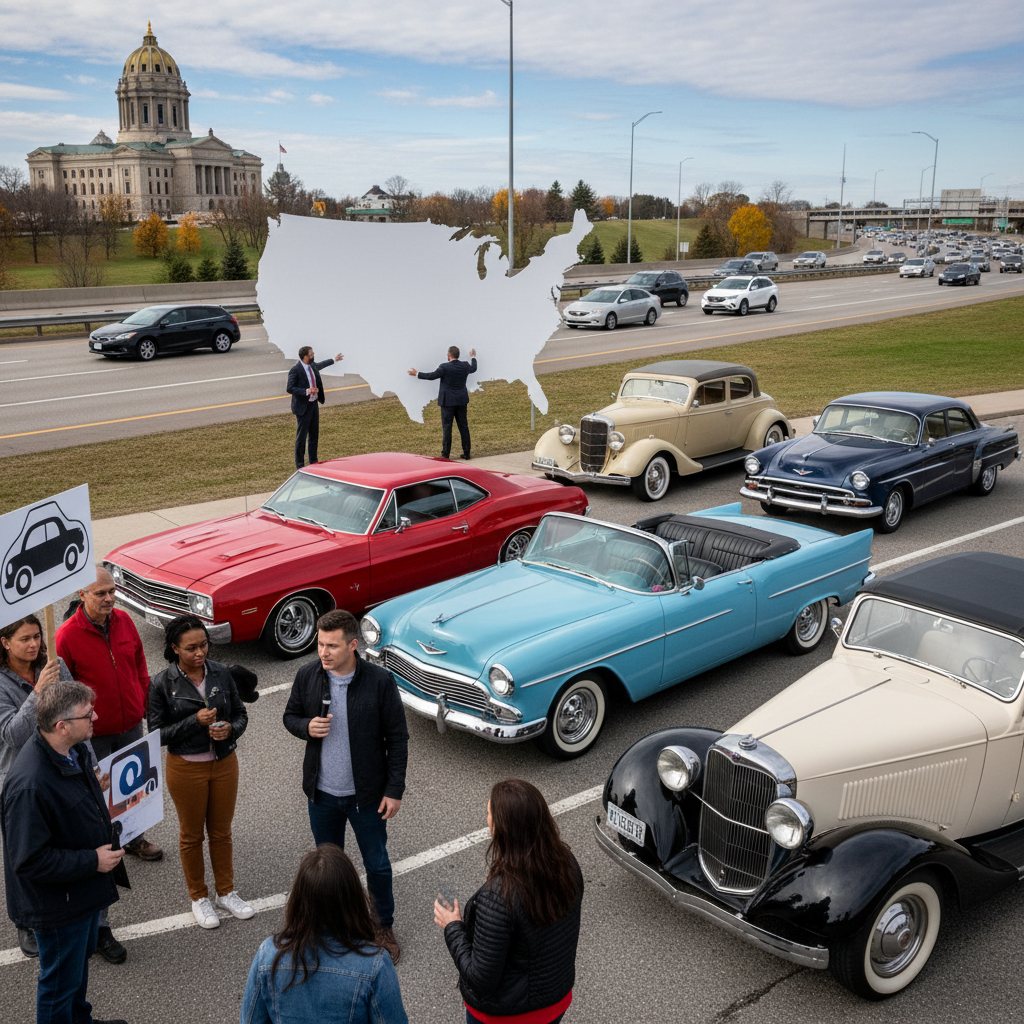
The legislative efforts in Minnesota are not isolated incidents. Across the United States, states are grappling with how to balance the unique status of classic and vintage automobiles within modern regulatory frameworks, particularly concerning emissions and vehicle usage. For instance, California has seen renewed efforts to pass a version of 'Leno's Law' (Senate Bill 1392), which aims to exempt older classic cars from biennial smog checks. This bill, championed by automotive enthusiast Jay Leno, also includes a provision stipulating that the exempted vehicles are not to be used as a primary mode of transportation, focusing their use on shows, parades, charitable functions, and historical exhibitions for display, maintenance, and preservation.
While the California initiative focuses on emissions exemptions, its shared emphasis on limiting classic cars to non-primary transportation underscores a national trend towards defining and regulating the 'collector' use case more explicitly. These legislative moves, whether for environmental reasons or perceived clarity in registration, invariably impact the lifestyle and choices of classic car owners.
The Minnesota bill, HF 3865, was introduced on March 2, 2026, and has since been referred to the Transportation Finance and Policy committee for further consideration. Its journey through the legislative process will be closely watched by classic car clubs and individual owners alike, not just within Minnesota but across the nation, as it could set a precedent for similar regulations in other states. The debate surrounding HF 3865 highlights the ongoing challenge of integrating historical vehicles into a rapidly evolving automotive landscape, ensuring their preservation and enjoyment for future generations while addressing contemporary concerns.