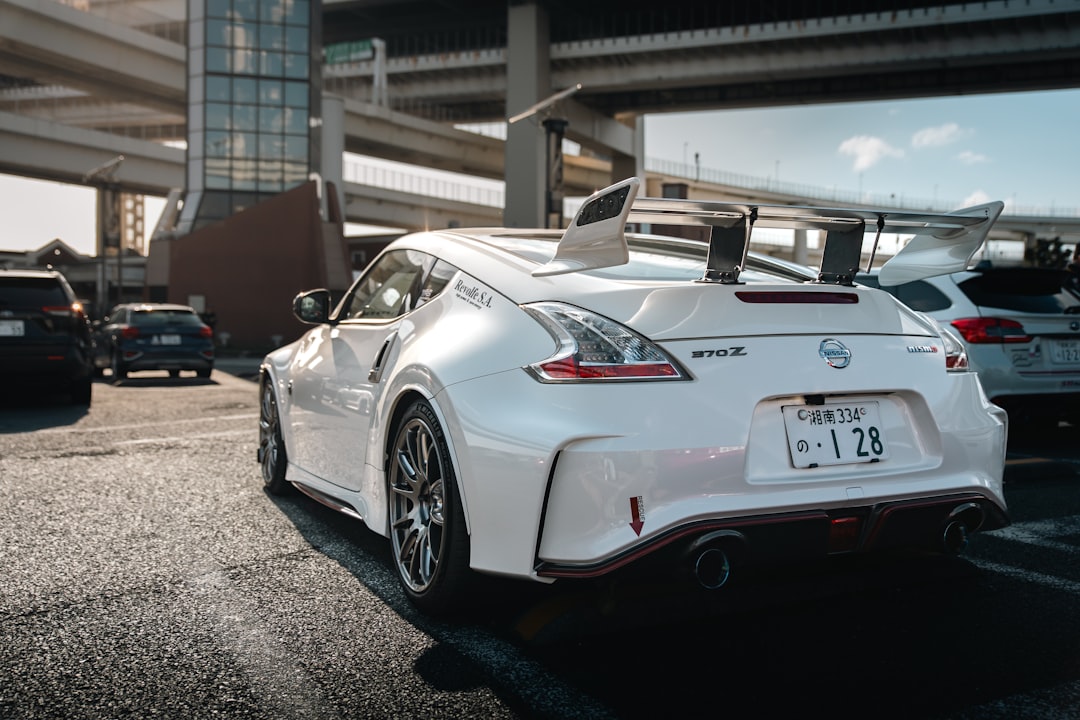
Nissan Expands NISMO Heritage Parts Program, Embracing US Classic Car Market
In a significant development for enthusiasts of classic Japanese performance vehicles, Nissan has announced a substantial expansion of its NISMO Heritage Parts program, explicitly targeting the burgeoning classic car market in the United States. This move, confirmed by Ponz Pandikuthira, Senior Vice President and Chief Planning Officer for Nissan North America, signals a commitment to supporting owners of iconic vintage Nissan models by providing factory-backed components and even restomod kits on an “industrial level.”
For years, keeping a vintage Nissan on the road, particularly in regions like the U.S., often meant navigating a challenging landscape of scarce or unreliable aftermarket parts. The increasing eligibility of legendary JDM (Japanese Domestic Market) vehicles under the 25-year import rule has brought a wave of classic Skylines, Silvias, and Fairlady Zs to American shores, intensifying the demand for authentic and high-quality replacement parts. Nissan’s direct intervention addresses this critical need, ensuring these beloved machines can continue to be enjoyed and preserved for generations to come.
Reigniting JDM Legends with Factory Support
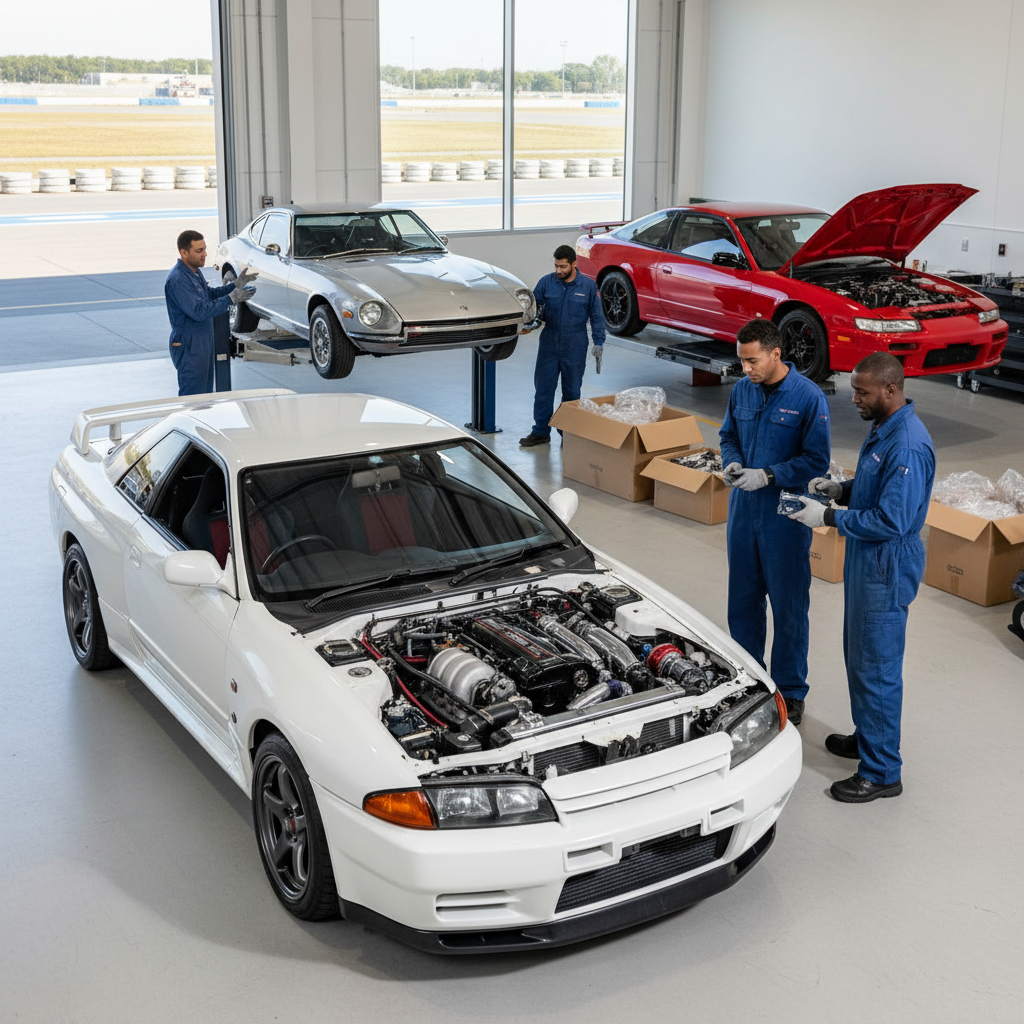
The NISMO Heritage Parts program, a joint venture between Nissan Motor Co., NISMO, and Autech Japan, initially launched with a modest catalog of approximately 80 items primarily for the R32 Skyline GT-R. Its original mission was straightforward: remanufacture essential discontinued parts that were preventing these classics from remaining roadworthy. The program has since seen remarkable growth, evolving into a comprehensive operation that now offers over 300 parts.
This extensive catalog caters not only to the celebrated R32 Skyline GT-R but has also expanded to include components for the R33 and R34 generations of the Skyline family. Furthermore, enthusiasts of the S-Chassis platform, encompassing models like the Silvia and 180SX, are set to benefit from an increased availability of select parts. The iconic Fairlady Z family, ranging from the Z32 to more contemporary iterations, is also receiving enhanced support, reinforcing Nissan's dedication to its diverse sports car heritage.
Modern Manufacturing Meets Classic Automotive Needs
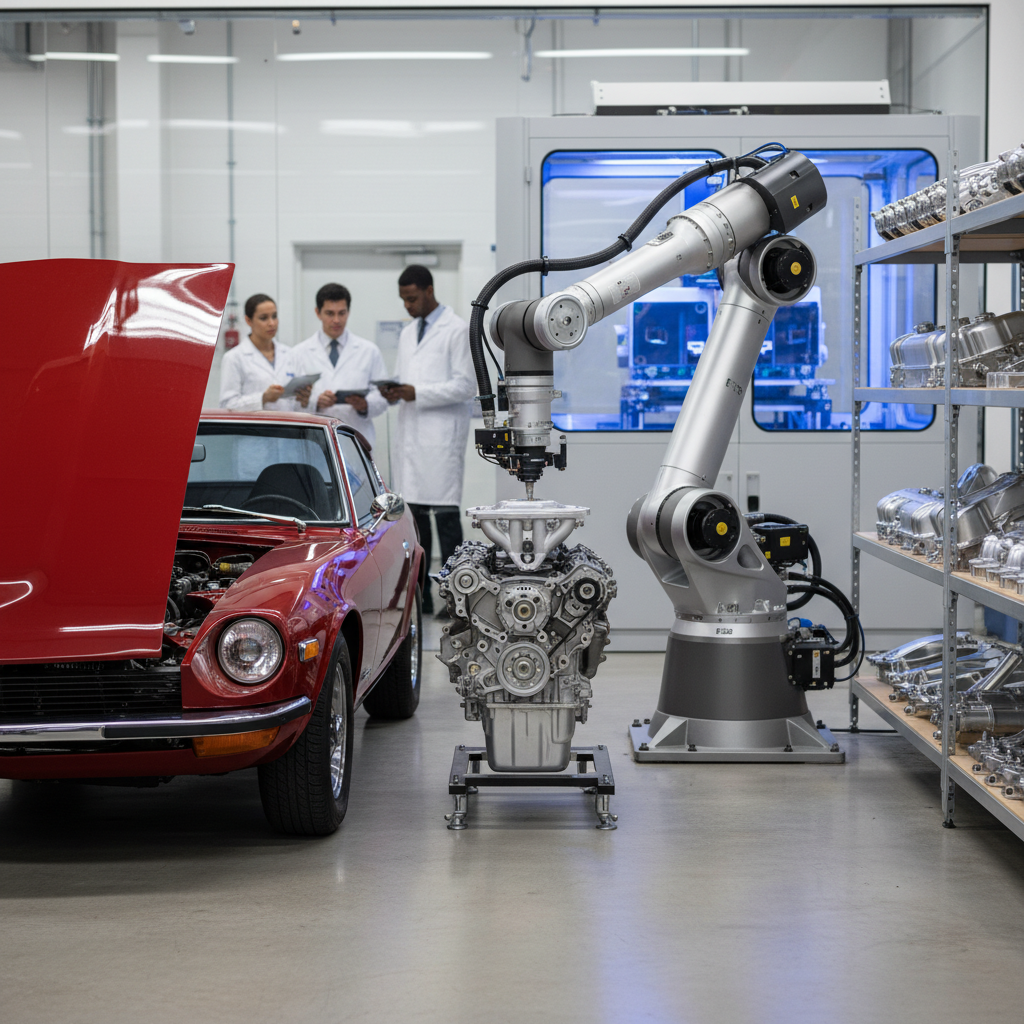
A key aspect of Nissan's expanded heritage initiative is its embrace of modern manufacturing technologies. Recognizing the complexities and cost inefficiencies of producing small batches of specialized components, Nissan is leveraging cutting-edge techniques to ensure the availability of parts that were once considered unobtainable. This includes the use of advanced 3D printing for resin-based components, allowing for the precise recreation of intricate interior pieces and other small parts. Additionally, dual-sided dieless forming is being employed for sheet metal fabrication, enabling the production of complex body panels with exceptional accuracy.
This innovative blend of traditional automotive passion and contemporary engineering ensures that whether an owner is undertaking a full, factory-correct restoration or merely maintaining a cherished weekend driver, the necessary components are now back in production. This approach not only aids in the authenticity of restorations but also lowers the barrier to entry for many enthusiasts who might otherwise be deterred by the challenges of sourcing rare or discontinued parts.
A Growing Trend in Automotive Preservation
Nissan is not alone in recognizing the value of supporting its automotive heritage through dedicated parts programs. Other major Japanese manufacturers have also embarked on similar initiatives. Toyota, for instance, has been actively engaged in its own heritage parts path since 2022, notably producing new engine components for the revered AE86. Similarly, Honda has initiated a program focused on heritage parts for its iconic NSX.
This industry-wide trend underscores a broader shift in the classic car market, where manufacturers are increasingly acknowledging the long-term appeal and cultural significance of their historic models. By offering factory-backed solutions, these companies are not only preserving their legacies but also fostering stronger relationships with a passionate and dedicated global enthusiast community. The expansion of Nissan's NISMO Heritage Parts program, particularly its accessibility to the U.S. market, marks a significant stride forward in making classic car ownership more sustainable and enjoyable.