Toyota 2000GT: Japan's First Supercar Continues to Captivate Global Enthusiasts
In the ever-evolving landscape of classic automobiles, some vehicles transcend mere collectibility to become enduring cultural icons. Among them, the Toyota 2000GT stands as a beacon of Japanese automotive ingenuity, currently experiencing a significant resurgence in global appreciation. Recent analyses and enthusiastic discussions, such as a prominent article published on April 13, 2026, highlight how this exceptionally rare sports car continues to redefine perceptions of vintage Japanese engineering and design, cementing its place as a truly coveted classic.
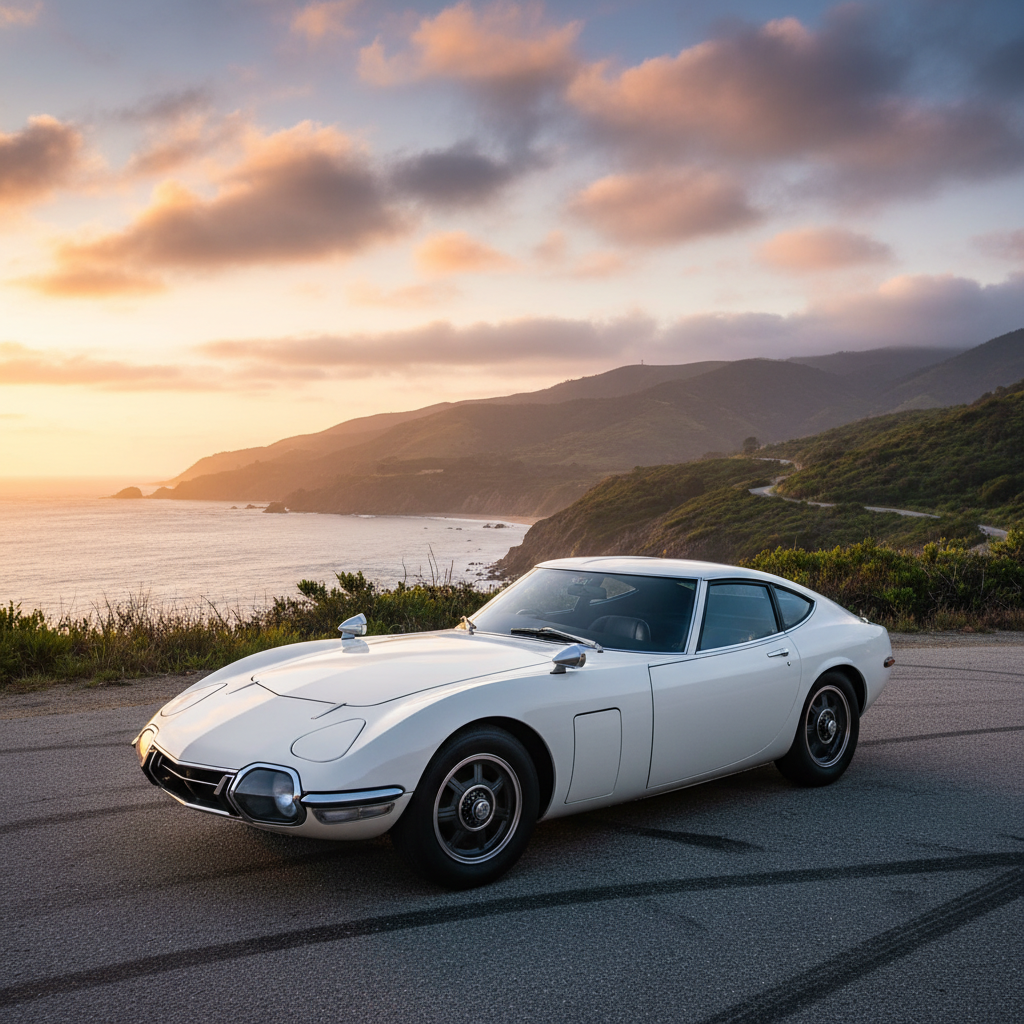
Often hailed as Japan's first true supercar, the 2000GT, produced between 1967 and 1970, challenged the prevailing notion that Japan was solely a producer of practical, utilitarian vehicles. Its sleek lines, advanced engineering, and remarkable performance quickly positioned it as a formidable competitor to established European marques like Porsche and Jaguar. Developed as a groundbreaking collaboration between Toyota and Yamaha, the 2000GT was a limited-production grand tourer, with only 351 units ever leaving the factory. This scarcity, combined with its profound historical significance, has made it one of the most valuable and respected Japanese cars ever built, with examples fetching well over a million dollars at auction.
The Dawn of a Japanese Icon
The journey of the Toyota 2000GT began in the mid-1960s, a period when Japan was rapidly rebuilding its industries and seeking to establish a credible presence in the global automotive arena. Toyota envisioned a halo car that would showcase its accumulated technological prowess and manufacturing capabilities, ultimately leading to the collaboration with Yamaha.
Unveiled at the 1965 Tokyo Motor Show, the 2000GT immediately captivated audiences with its breathtaking design. Styled by Satoru Nozaki, its low-slung, fastback coupé body incorporated elements reminiscent of classic 1960s Grand Turismo aesthetics, featuring pop-up headlights and minimal bumpers. Beneath its aluminium bodywork lay an advanced X-shape backbone chassis, a first for a Japanese production car, equipped with four-wheel independent double-wishbone suspension and four-wheel disc brakes. Power came from a longitudinally mounted 1,988 cc DOHC straight-six engine, derived from the Toyota Crown and meticulously tuned by Yamaha, producing 150 horsepower. This propelled the lightweight 2000GT to a top speed of around 135 mph, a performance figure that rivaled contemporary European sports cars.
Beyond its technical specifications, the 2000GT earned international fame through its appearance in the 1967 James Bond film, 'You Only Live Twice.' Although never offered as a factory convertible, two bespoke open-top versions were created for the movie, further cementing its legendary status in popular culture.
Preserving Perfection: The Art of 2000GT Restoration

Given its rarity and historical importance, the preservation and restoration of the Toyota 2000GT represent a significant undertaking for specialists worldwide. Each restoration project is a labor of love, demanding meticulous attention to detail and extensive research to return these automotive treasures to their original factory condition.
The challenges are considerable. Sourcing original components for a car produced in such limited numbers decades ago can be exceptionally difficult, often requiring fabrication of parts or a global search for new-old stock. Restoration firms frequently encounter unique issues, from repairing specific body damage using traditional techniques like lead loading, to addressing structural issues or even historical damage such as under-dash fires. The intricate interior, featuring elements like rosewood-veneer dashboards and wooden steering wheels, demands specialized craftsmanship, sometimes even requiring the original manufacturers or their successors to assist or for restorers to master these techniques themselves.
Recognizing the increasing demand for authentic restoration, Toyota Gazoo Racing has initiated a GR Heritage Parts program, reproducing selected original equipment components for the 2000GT. This initiative greatly aids restorers in maintaining the originality and value of these vehicles, ensuring that more of these iconic cars can be returned to their former glory. Dedicated experts, like those at Koji Okada's workshop in Japan or Dino's Auto Body in South Africa, painstakingly disassemble, repair, and rebuild every aspect of these cars, aiming for a full restoration that pursues the car's original state, a rare approach globally.
The ongoing commitment to preserving the Toyota 2000GT highlights not only its intrinsic value but also its profound impact on automotive history. As Japanese classics continue to gain traction and value in the collector market, particularly among younger generations who appreciate their nostalgia and performance, the 2000GT remains at the pinnacle, a testament to a pioneering era of Japanese high-performance engineering. Its story continues to inspire, reminding enthusiasts globally of the moment Japan truly arrived on the supercar stage.