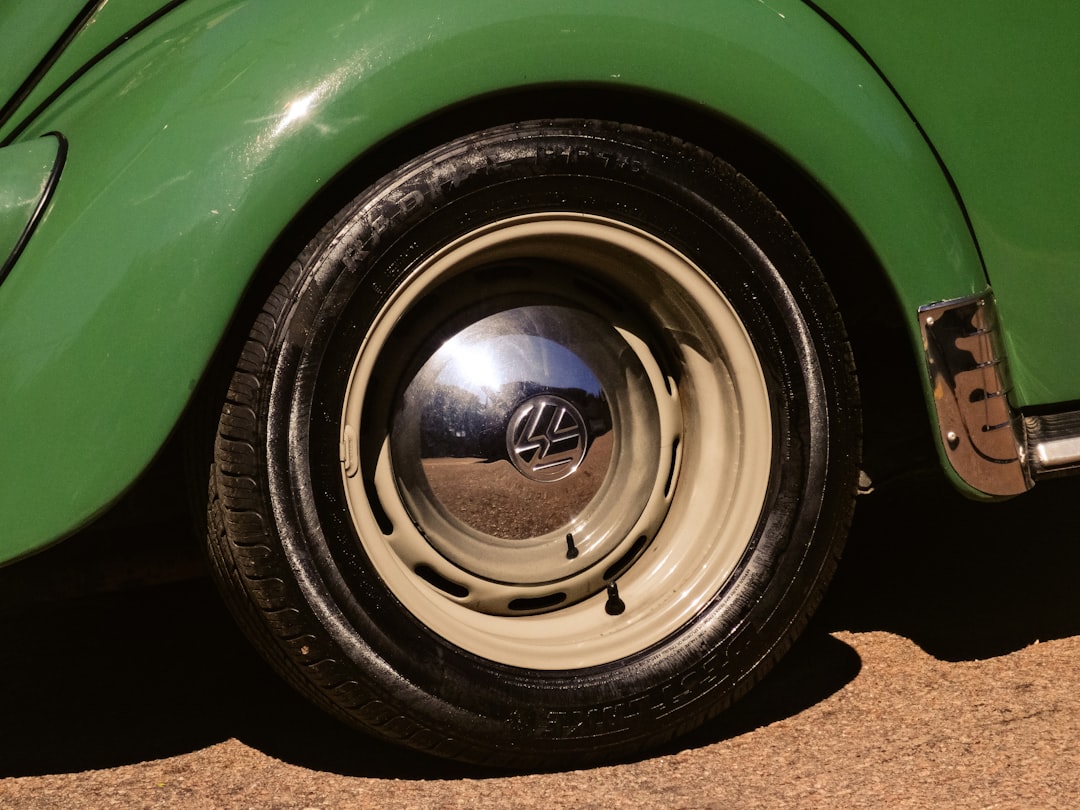
Beryl Green Beauty: 1960 Euro-Spec VW Beetle's Enduring Restoration Story
In the vibrant world of classic car restoration, where meticulous craftsmanship meets automotive passion, a recent spotlight shines on a truly charming survivor: a 1960 Euro-spec Volkswagen Beetle finished in an exquisite Beryl Green. This particular example, highlighted in a recent feature, encapsulates the dedication required to preserve automotive history, showcasing a comprehensive restoration that ensures its continental charm continues to captivate enthusiasts today.
While its multi-year restoration was completed in 2015, the recent attention to this Beryl Green Beetle from the Ron Sturgeon Collection at the DFW Car & Toy Museum underscores the ongoing commitment to maintaining these cherished vehicles. The car stands as a testament to period-correct care, with its revival encompassing body refinishing, interior upgrades, and significant mechanical enhancements. This holistic approach is critical in classic car restoration, where every detail, from the exterior paintwork to the innermost mechanical components, contributes to the vehicle's authenticity and operational integrity.
A Deep Dive into Period-Correct Restoration
The allure of this 1960 Beetle lies not only in its striking Beryl Green paintwork over a beige vinyl interior but also in its array of rare European-market features. Unlike many U.S. models, this Beetle boasts a factory-style sliding canvas sunroof, offering an open-air experience that enhances its vintage appeal. Further period-correct details include a radio block-off plate, a functional fuel reserve flap, and a foot-operated high/low beam switch – subtle touches that transport the observer back to the automotive landscape of the early 1960s. The two-spoke steering wheel, adorned with a classic Wolfsburg-crest horn ring, frames a meticulously restored 140-km/h VDO speedometer, which was reset during a 2020 refurbishment, further cementing its commitment to historical accuracy.
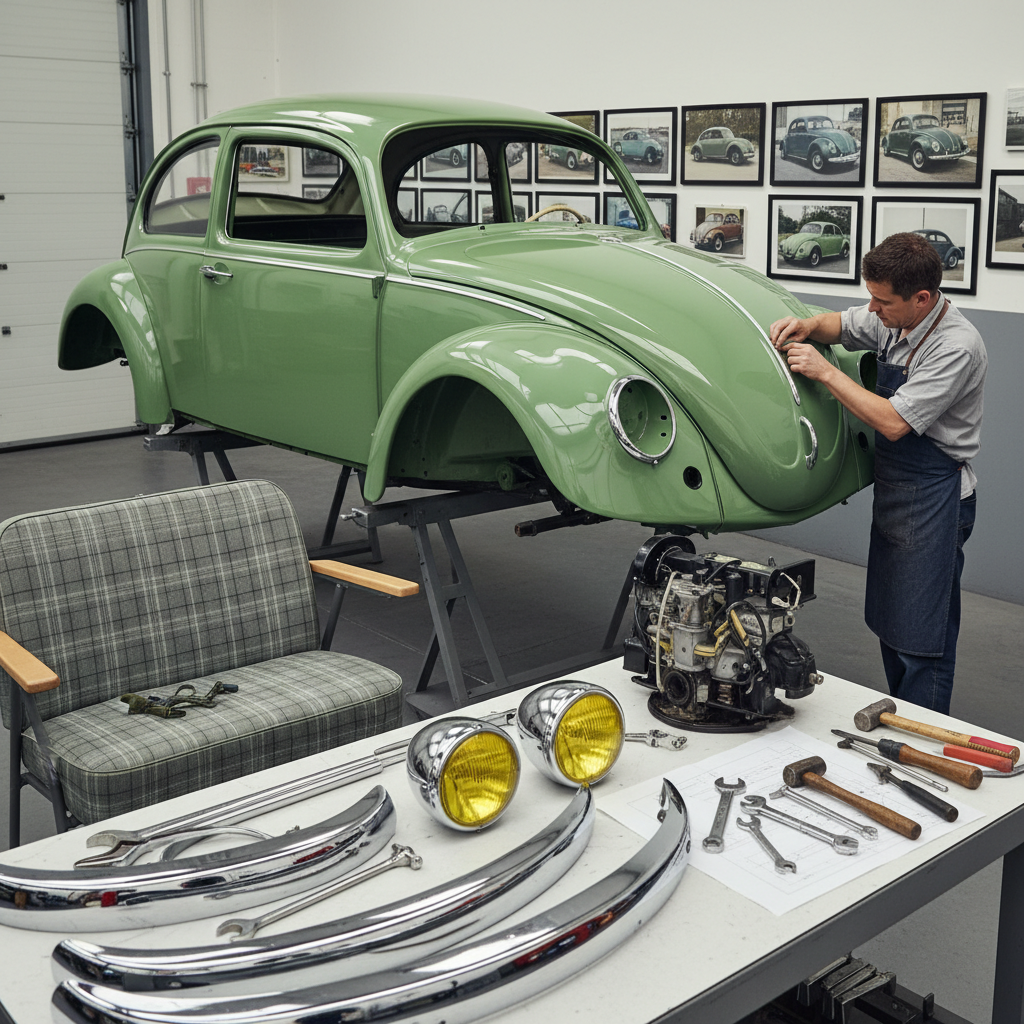
Body refinishing, a cornerstone of any quality restoration, would have involved painstakingly preparing the shell, addressing any corrosion or imperfections, and applying multiple layers of paint to achieve the deep, lustrous finish evident today. Interior upgrades would have focused on sourcing or meticulously re-creating original-spec materials for the beige vinyl seating and trim, ensuring that the cabin ambiance remains true to its factory origins. The integration of unique elements like the semaphore signals – arm-like indicators that pivot out from the B-pillars – further exemplifies the dedication to preserving the car's distinctive identity.
The Heart of the Beetle: Mechanical Precision
Beyond the aesthetic brilliance, the mechanical heart of this Beetle has received diligent attention, particularly under its current ownership. Powering the charming classic is a replacement 1,192cc air-cooled flat-four engine, paired with a four-speed manual transaxle. This engine, fed by a Solex 28 PCI downdraft carburetor with an oil bath air cleaner, is a quintessential element of the early Beetle driving experience.
Recent mechanical work highlights the ongoing effort to ensure the car remains a reliable and enjoyable vintage driver. This included a rebuilt carburetor, vital for optimal fuel delivery and engine performance. Heater boxes were also rebuilt, a critical component for cabin comfort, especially in a vehicle of this era. A replacement generator ensures consistent electrical supply, while new seals, gaskets, and a fresh battery contribute to its overall reliability and leak-free operation. These targeted mechanical interventions demonstrate a pragmatic approach to restoration, focusing on key areas that enhance both drivability and longevity, allowing the car to be enjoyed on the road rather than solely as a static display piece. It’s a delicate balance of preserving authenticity and integrating modern reliability through expert servicing.
Preserving Legacy for Future Generations
This 1960 Euro-spec Volkswagen Beetle stands as a shining example of how passionate custodians and skilled restoration specialists work hand-in-hand to keep automotive history alive. As Ron Sturgeon, founder of the DFW Car & Toy Museum, aptly notes, "This 1960 Beetle is everything you'd want in a European classic—it's stylish, thoughtfully restored, and full of unique details that make it stand out." The story of this Beryl Green Beetle is a continuous narrative of preservation, meticulous care, and a profound appreciation for the engineering and design that defined an era. It reminds us that classic car restoration is not just about bringing a vehicle back to its former glory, but about ensuring its legacy endures for future generations of enthusiasts to admire and experience.