Iconic 1974 Triumph Stag Undergoes Meticulous Restoration at Carrosserie
The enduring allure of classic British motoring continues to captivate enthusiasts worldwide, with dedicated workshops tirelessly working to preserve automotive heritage. A prime example of this passion recently surfaced with a detailed update on the meticulous restoration of a 1974 Triumph Stag by specialist firm Carrosserie, shared on May 22, 2026. This ongoing project highlights the intricate craftsmanship and dedication required to bring these cherished vehicles back to their former glory, ensuring their place on roads and at shows for future generations.
Reviving a British Grand Tourer
The Triumph Stag, introduced in 1970, was British Leyland's elegant answer to the luxury sports tourer market. Designed by Giovanni Michelotti, its distinctive T-bar rollover hoop, removable hardtop, and unique 3.0-litre V8 engine set it apart. Despite its undeniable charm and luxurious appointments for its era, the Stag famously developed a reputation for reliability issues, particularly concerning its V8 engine and cooling system. This history often makes well-restored Stags highly sought after, with their successful rejuvenation a testament to modern restoration expertise.
The 1974 model year, during which this particular Stag was manufactured, fell within a challenging period for the British motor industry. However, the car's aesthetic appeal and comfortable ride for four adults ensured its popularity among buyers. Today, these factors contribute to the significant effort invested in their preservation, with specialists meticulously addressing original design quirks and past maintenance shortcomings to enhance their dependability and aesthetic integrity.
The Art of Automotive Rejuvenation
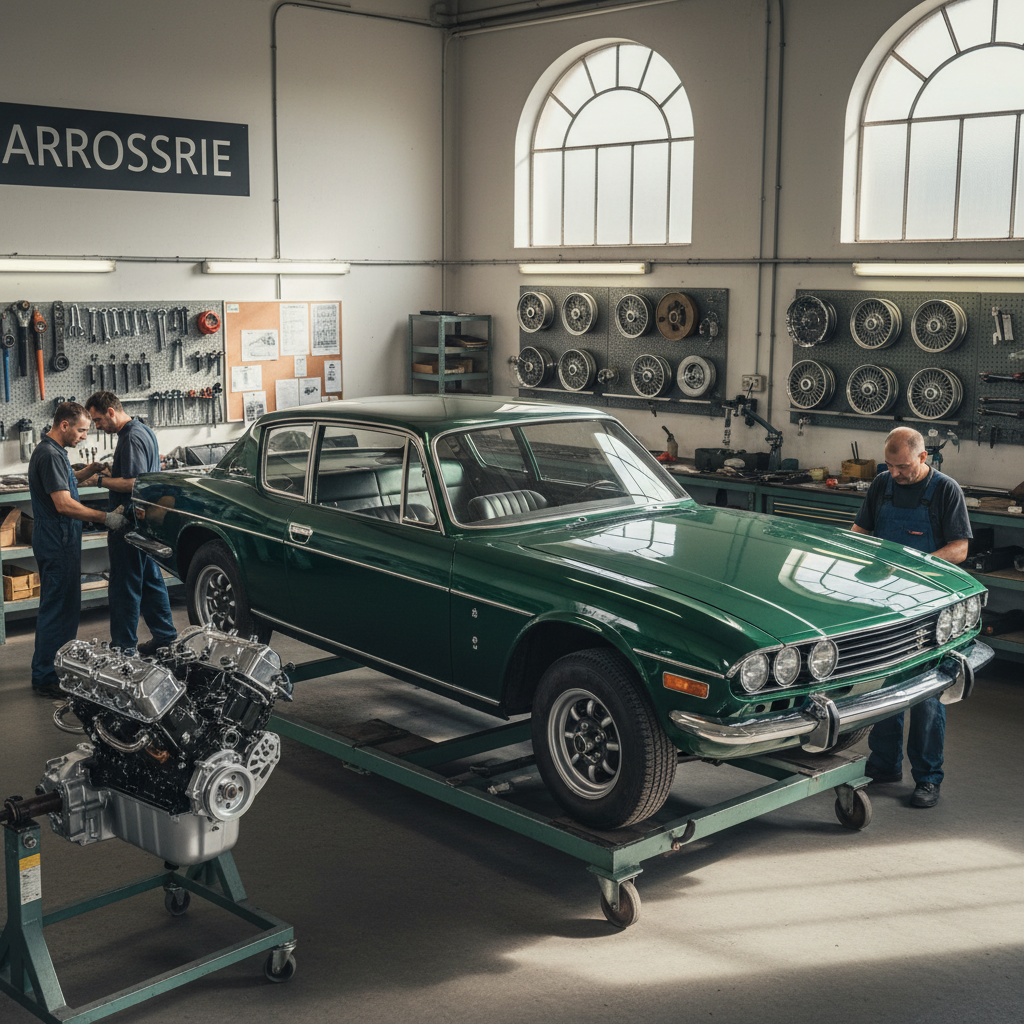
Carrosserie's current project on the 1974 Triumph Stag provides a fascinating glimpse into the detailed work involved in a comprehensive restoration. The team at their Bishop Auckland workshop has been focusing on critical areas, with the engine bay and engine itself receiving significant attention. The restoration process began in April 2026 with initial plans for painting the engine bay and engine. However, further inspection revealed paintwork issues and rust in various areas, particularly at the front and rear of the car. This necessitated stripping these sections back to bare metal – a crucial step to ensure the longevity and quality of the final finish.
As part of the May 22nd update, Carrosserie reported that the engine had been carefully removed, allowing for thorough cleaning of the engine bay. Various engine components are also undergoing repainting to achieve a pristine, factory-fresh appearance. Furthermore, the front light surrounds have been removed for repainting, indicating a comprehensive approach to exterior detailing. Such attention to every visible and hidden component ensures that the restored vehicle not only looks impeccable but also reflects the highest standards of classic car preservation. This intricate process of rust removal, surface preparation, and precise repainting is fundamental to restoring a classic car's bodywork to a concours-level finish, effectively combating the degradation of time and environmental factors.
Preserving a Legacy Through Craftsmanship
The ongoing work on this 1974 Triumph Stag by Carrosserie exemplifies the broader dedication within the restoration community to preserving automotive history. Projects like this are more than just repairs; they are acts of historical preservation, demanding a deep understanding of original manufacturing techniques, a keen eye for detail, and access to specialized skills and parts. The meticulous process of addressing rust, preparing surfaces, and precisely repainting not only enhances the car's visual appeal but also structurally soundens it for future enjoyment. These efforts allow vehicles that once defined an era to continue captivating new audiences, showcasing the engineering and design prowess of their time. For enthusiasts and collectors, witnessing such a transformation underscores the enduring value and emotional connection to these mechanical marvels, making each restored classic a vibrant piece of movable history.