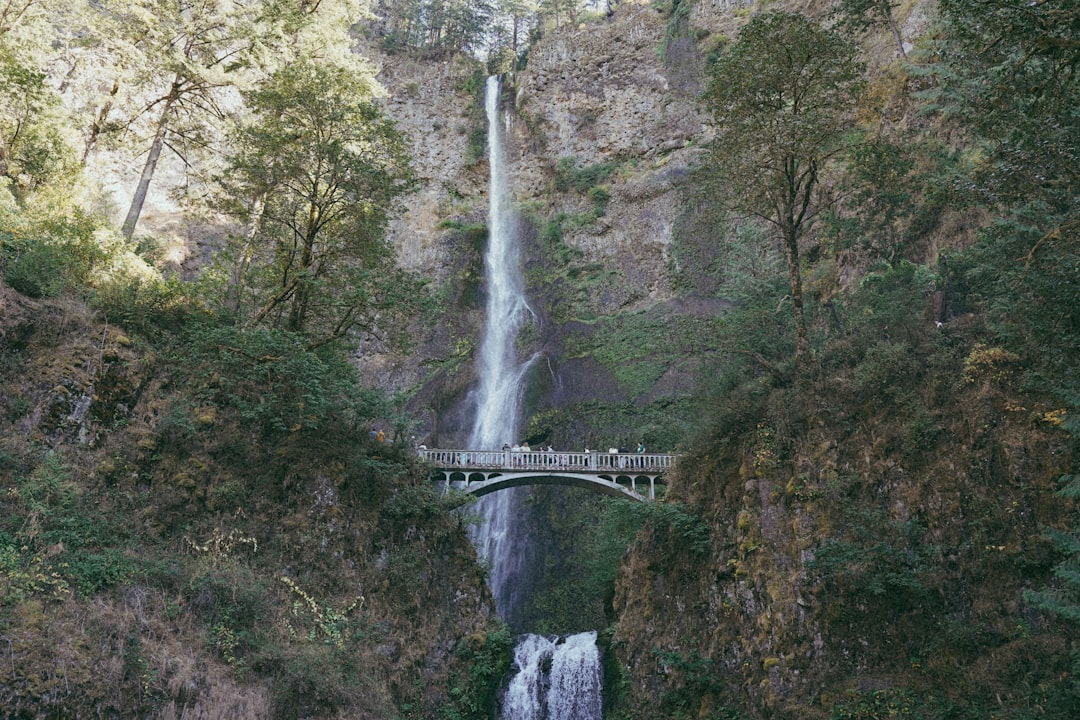
Century-Old Columbia River Highway Viaduct Reopens After Meticulous Restoration
In a significant triumph for heritage preservation, a century-old section of the Historic Columbia River Highway, the East Multnomah Falls Viaduct, has officially reopened to traffic. This monumental project, completed after approximately seven months of intensive work, marks a major milestone in safeguarding one of America’s most iconic scenic routes. Much like the painstaking dedication applied to restoring a vintage automobile, this endeavor focused on revitalizing a piece of vital automotive infrastructure to its original glory while ensuring its functionality for future generations.
For enthusiasts of classic cars, the principles underpinning this viaduct restoration resonate deeply with the ethos of vehicle preservation. The goal was not merely to repair but to meticulously restore, mirroring the process of returning a classic car to showroom condition. Engineers and craftsmen approached the viaduct with the same reverence a specialist restorer would give to a rare coachwork, focusing on both structural integrity and aesthetic authenticity.
A Bridge Through Time: Restoring a National Historic Landmark
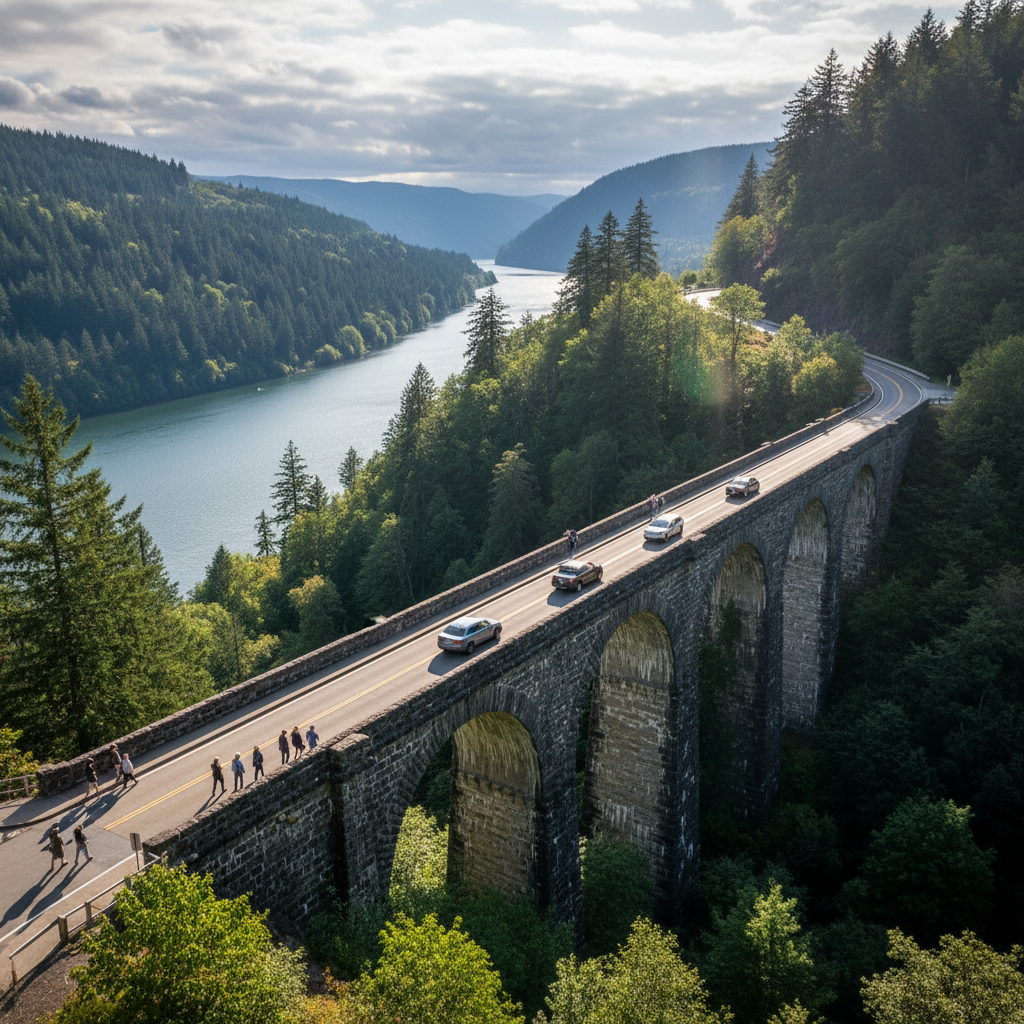
The Historic Columbia River Highway, often dubbed the "King of Roads," holds a distinguished place in American history as the first scenic highway in the United States. Completed in 1915, it pioneered modern road design and engineering, offering breathtaking views of the Columbia River Gorge. The viaducts, original to the highway and constructed in 1914, are themselves listed as a National Historic Landmark, underscoring their immense cultural and engineering significance.
The restoration work on the East Multnomah Falls Viaduct, which had been carrying approximately 4,000 vehicles daily, involved a comprehensive suite of interventions. This included removing the aging asphalt surface and installing a new concrete surface designed to precisely match the original 1914 design in both color and texture. This attention to period-correct materials and finishes is akin to sourcing original parts or meticulously matching paint codes for a classic car, ensuring that the restored element is indistinguishable from its historical counterpart.
Engineering Preservation: From Structure to Surface
Beyond the surface, the structural integrity of the viaduct required extensive "bodywork." Crews diligently repaired concrete railings, vertical columns, and horizontal support beams that had developed cracks and exposed rebar over a century of service. This meticulous process addressed issues of stability and erosion, fortifying the structure for continued use. In classic car terms, this is comparable to significant chassis repair or rust remediation, where compromised elements are carefully restored or replaced to ensure the vehicle's long-term safety and structural soundness. Addressing exposed rebar is precisely like tackling significant rust on a classic chassis, where corrosion threatens fundamental strength and requires expert intervention.
The project also saw the replacement of permanent signs to meet current standards, a necessary modernization that ensures safety without detracting from the historic environment. The careful balance between preserving historical accuracy and integrating modern safety requirements is a challenge frequently encountered in the classic automotive world, where contemporary braking systems or lighting might be discreetly integrated into a vintage shell.
With the completion of the East Multnomah Falls Viaduct, and the restoration of its twin on the west side last year, the two-year project to rehabilitate these crucial sections of the historic highway is largely concluded. While minor clean-up and finishing touches on railings and permanent striping will occur over the summer, the immediate impact is the full reopening of this segment, allowing vehicles under 35 feet and bicycles to traverse this beautifully preserved stretch of history once again.
The efforts to restore the Historic Columbia River Highway viaducts serve as a powerful reminder that preservation extends beyond mere aesthetics. It's about honoring the engineering marvels of the past, ensuring their continued existence, and allowing future generations to experience the legacy of craftsmanship and vision. For "ClassicsGram," this story of structural revival echoes the passion and precision that define every authentic classic car restoration, celebrating the enduring allure of historical engineering and design. The careful planning, the detailed repair work, and the commitment to authenticity are all hallmarks shared by both grand infrastructure projects and the restoration of a cherished vintage automobile.