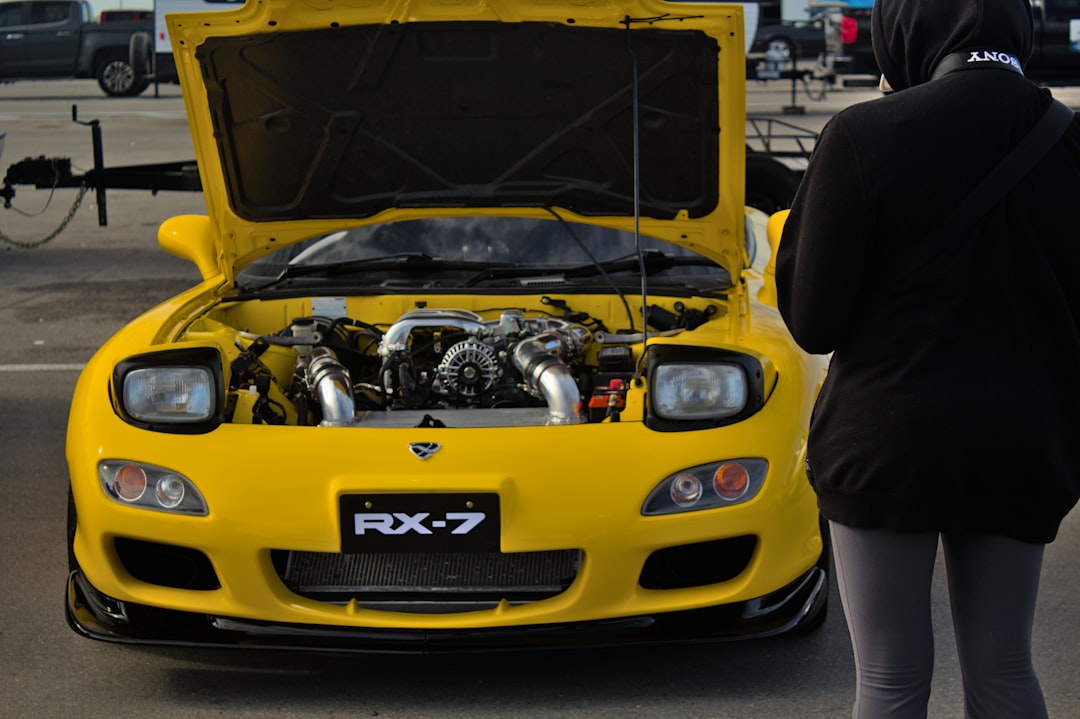
Iconic Le Mans Winner: Mazda 787B's Legendary Rotary Engine Reawakened
In the rarefied world of classic motorsport, few machines command as much reverence as the Mazda 787B, the rotary-powered titan that etched its name into history with an outright victory at the 1991 24 Hours of Le Mans. While most vintage car restorations focus on passenger vehicles, the complexities involved in reviving a purpose-built race car, especially one with such a unique powertrain, present a challenge on an entirely different scale. Recently, Mazda Motorsports itself undertook a comprehensive rebuild of one of these legendary Le Mans-spec 787s, offering a rare glimpse into the meticulous work required to keep such a magnificent piece of engineering alive for future generations.
The Uniqueness of Rotary Power in Restoration
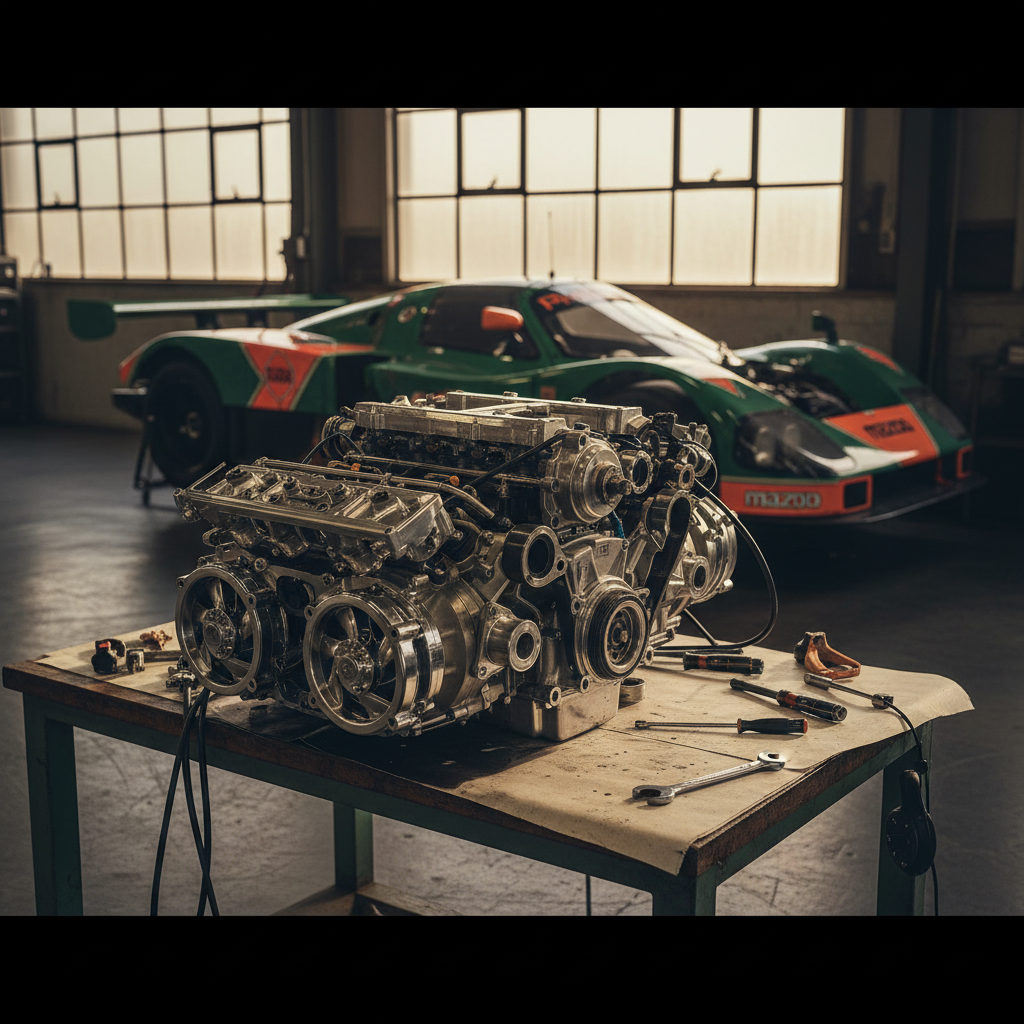
The heart of the Mazda 787B is its groundbreaking R26B four-rotor engine, a powerplant unlike virtually any other in automotive history. Unlike conventional piston engines that convert reciprocating motion into rotational motion, the rotary engine utilizes triangular rotors that turn within a uniquely shaped housing. This design facilitates a continuous cycle of intake, compression, combustion, and exhaust in a single revolution, producing a distinct, high-pitched scream that became synonymous with Mazda's Le Mans efforts.
Restoring such an engine presents extraordinary hurdles. Where popular classic cars benefit from a robust aftermarket or readily available parts, the 787B was essentially constructed from bespoke, one-off components. This means that a mechanical refresh goes far beyond simple component replacement; it often involves reverse-engineering parts, custom fabrication, and relying on the dwindling expertise of engineers who worked on these engines decades ago. The seals at the rotor points, for instance, are critical to the engine's compression and longevity, and their precise manufacturing and material science are proprietary and complex. Ensuring the integrity of the crankshaft, unique to the multi-rotor design, also demands specialized attention during the rebuild process. The absence of pistons, valves, and camshafts, while simplifying some aspects, introduces entirely new challenges in maintaining the engine's esoteric design and operational parameters.
Preserving a Motorsport Legacy Through Meticulous Rebuilds
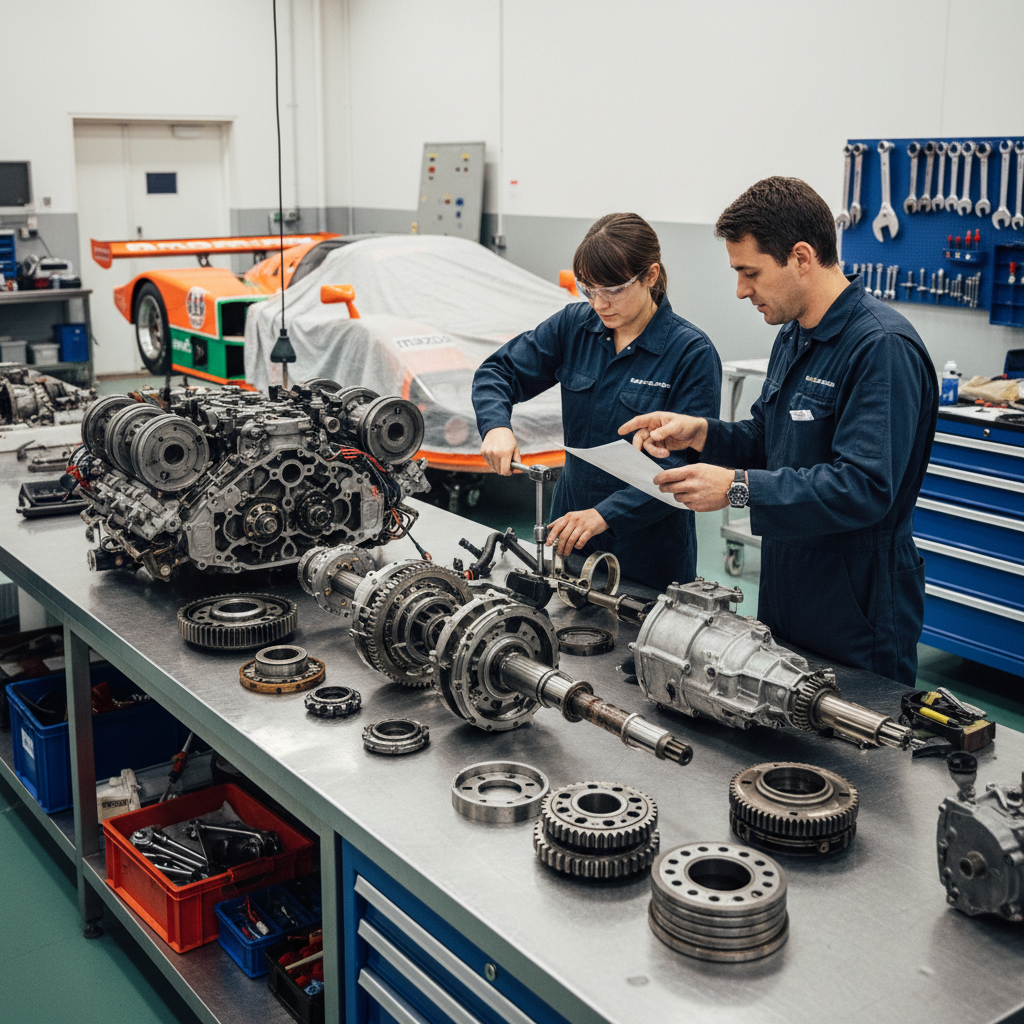
Mazda's recent undertaking of a full engine rebuild for one of its 787 race cars underscores the brand's commitment to its motorsport heritage. This isn't just about making the engine run; it's about restoring it to its original, precise racing specifications and ensuring it can perform as intended. The process likely involves stripping the engine down to its core, rigorously inspecting every component for wear or fatigue, and then carefully reassembling it. Given the scarcity of original parts, the team must often replicate components with modern precision while adhering strictly to the original design and materials specifications wherever possible.
The dedication to such a project is immense, reflecting the car's significance not only to Mazda but to the broader automotive world. The 787B's victory at Le Mans marked the first and only time a Japanese manufacturer (until Toyota's later successes) and a car with a rotary engine won the prestigious endurance race. This historical weight adds an immeasurable value to each restoration, turning it into an act of preserving a pivotal moment in racing history. For an international audience, understanding the context of Le Mans – a gruelling 24-hour race that pushes both man and machine to their absolute limits – highlights the engineering marvel that was the 787B and the painstaking effort involved in its maintenance. These rebuilds allow the car to not only be displayed but also, on rare occasions, to be heard and seen in action, a visceral experience that connects enthusiasts to its storied past.
Such in-house restoration projects by manufacturers like Mazda are vital. They ensure that the specific knowledge and techniques required for these unique vehicles are not lost to time. Beyond the mechanical work, these initiatives also foster a deeper appreciation for automotive engineering and the relentless pursuit of innovation that defines motorsport. The roaring return of a Le Mans-winning rotary engine is more than just a repair; it is a celebration of a technological triumph and a testament to the enduring power of automotive heritage.