Rare AMC AMX Super Stock Rediscovery Ignites Restoration World
The automotive restoration community is abuzz following the recent spotlight on the 1969 AMC AMX Super Stock, a vehicle so rare and potent it once outpaced many contemporary Corvettes on the drag strip. The reappearance of one of these elusive muscle cars, particularly the last-built SS/AMX reportedly resurfacing after decades in an Alaskan shipping container, serves as a vivid reminder of the thrilling detective work and monumental dedication involved in preserving automotive history.
For enthusiasts and professional restorers alike, such a discovery is akin to finding a lost masterpiece. The AMX Super Stock, born from American Motors Corporation's audacious push into the muscle car wars of the late 1960s, was a purpose-built drag machine. Only a limited batch was created with significant modifications by Hurst, making each surviving example incredibly valuable and a challenging project for anyone committed to bringing it back to its former glory.
The Allure of the Barn Find: More Than Just a Car
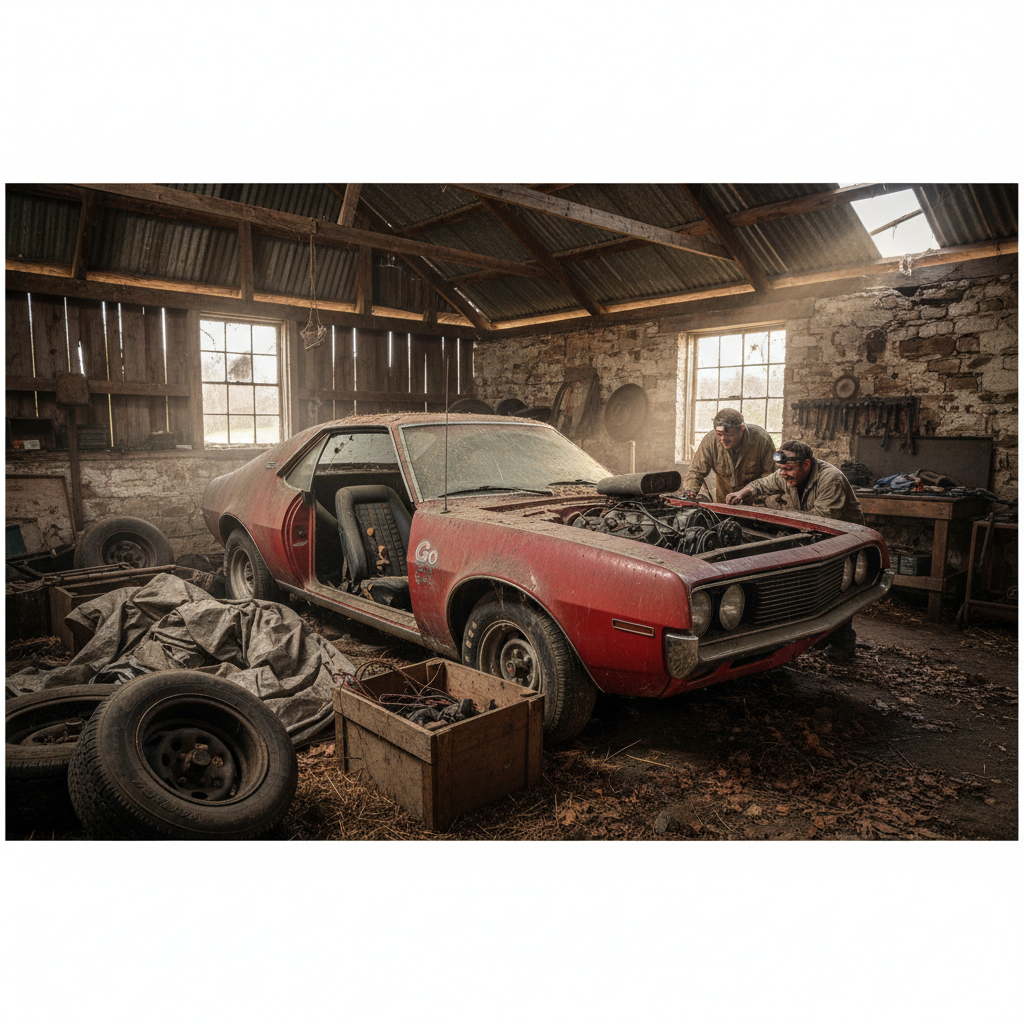
The concept of a "barn find" — a classic vehicle rediscovered after years, or even decades, of storage and neglect — holds a special mystique. These vehicles often carry untold stories and present a unique set of challenges compared to more straightforward restoration projects. The 1969 AMC AMX Super Stock's journey from a shipping container in Alaska highlights the varied conditions in which these automotive treasures can be found. Unearthing such a car is merely the first step; the subsequent process demands an intricate blend of historical research, technical skill, and often, significant financial investment.
Restoring a car like the AMX Super Stock goes beyond mere repair; it's an act of automotive archaeology. Experts must meticulously assess the vehicle's condition, identifying original components versus later modifications, and carefully document every detail. The harsh realities of long-term storage, such as rust, seized engines, degraded interiors, and faded paint, all require specialized approaches. For a performance car of this caliber, ensuring the engine (often a highly modified 390 cubic inch V8 in the Super Stock) and drivetrain are returned to factory specifications, or period-correct race trim, is paramount. This includes sourcing correct carburetor setups, specialized headers, and transmission components that were unique to these limited-production models. The authenticity of parts and techniques directly impacts the vehicle's historical accuracy and value.
The Intricacies of Specialized Restoration
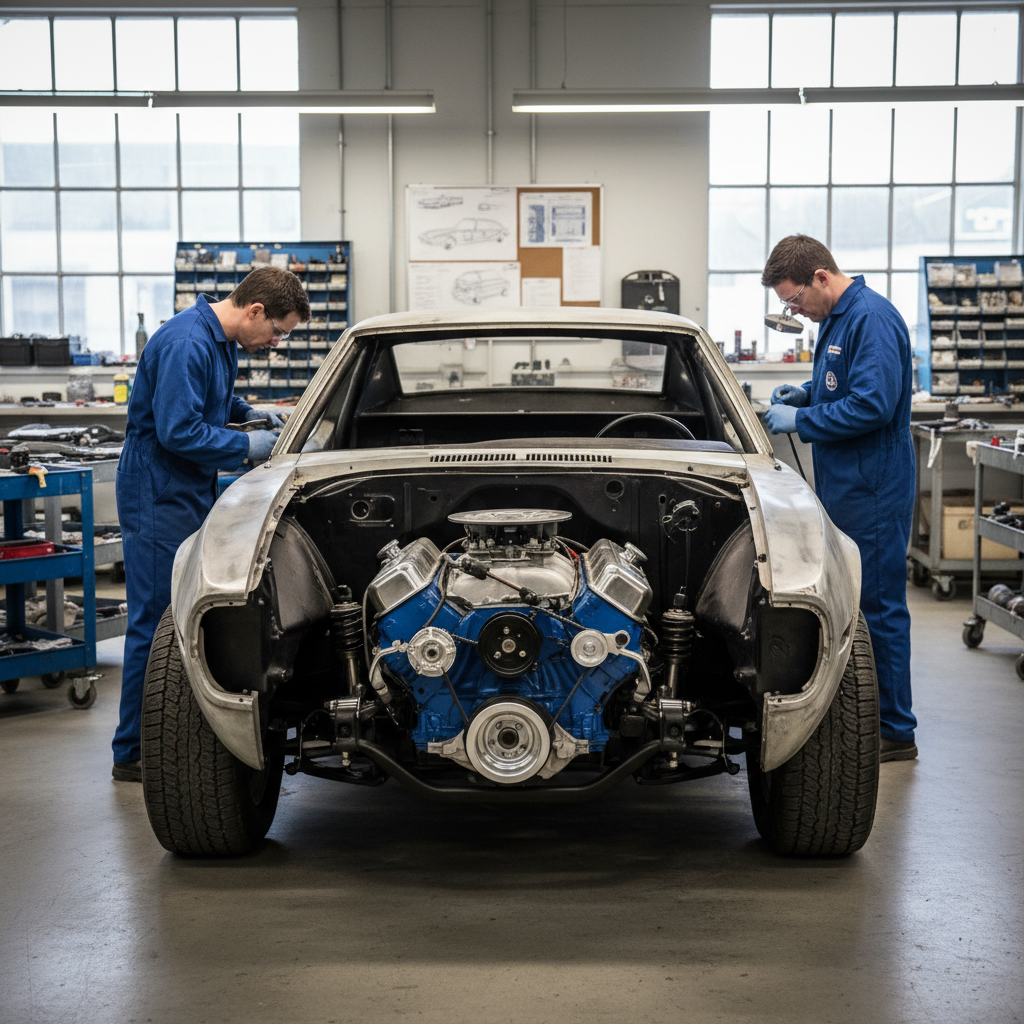
The restoration of a rare muscle car like the AMC AMX Super Stock presents unique hurdles, especially concerning part availability. With only a handful ever produced, finding original or New Old Stock (NOS) components is exceptionally difficult and often requires extensive networking within the AMC community, diligent searching through specialized parts dealers, and sometimes even commissioning custom-fabricated parts to replicate the originals. The bodywork, too, demands precision. Often, these cars were subjected to the rigors of drag racing, meaning structural integrity and panel alignment might need significant attention, coupled with expert rust repair to address any corrosion that has occurred over the decades.
Interior restoration for such a specific model requires attention to period-correct materials and patterns, from seat upholstery to dashboard finishes and unique gauges. Furthermore, the paint process involves researching original factory colors and application techniques to achieve an authentic finish. The goal is not just to make the car run and look good, but to accurately represent its condition as it would have been when new, or in its prime racing years. This commitment to historical fidelity is a hallmark of high-level classic car restoration, transforming a derelict discovery into a rolling piece of history.
The resurgence of interest in vehicles like the AMC AMX Super Stock underscores the vibrant and continuously evolving world of classic car restoration. Each rediscovery fuels the passion of collectors and provides fresh challenges for restorers, ensuring that the legendary machines of yesteryear continue to inspire new generations. The painstaking effort to retrieve, research, and painstakingly rebuild these automotive icons is a testament to the enduring appeal of mechanical artistry and historical preservation.