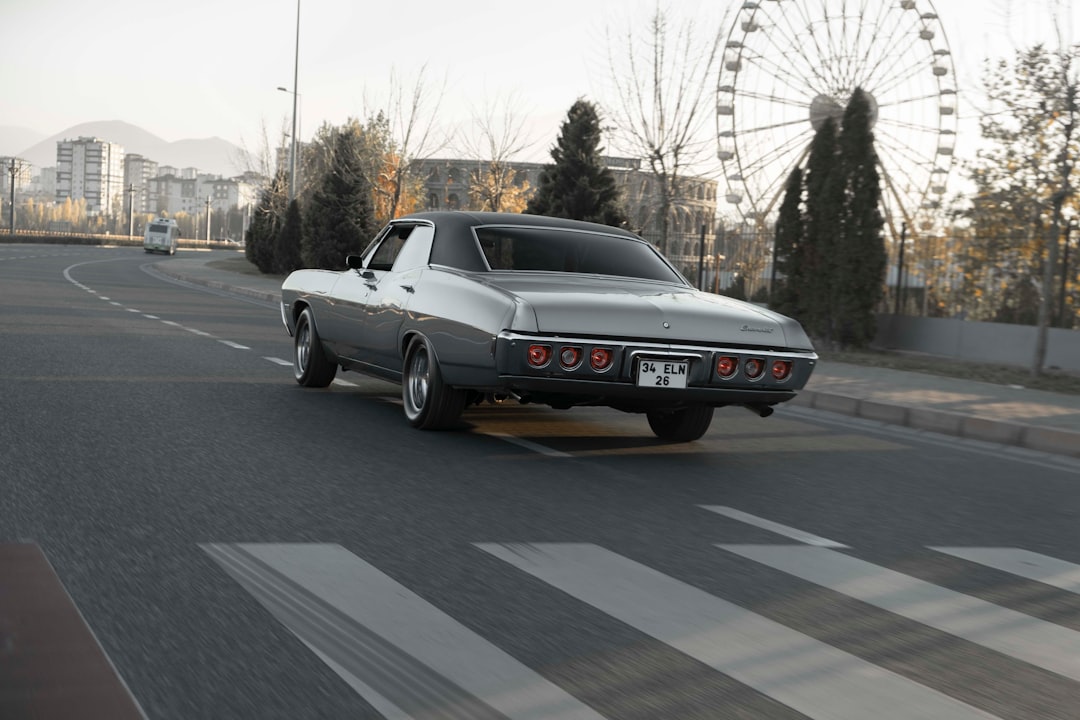
Chevrolet Brazil Revitalizes Classic Opala SS Models with Modern Flair
In a significant move for classic car enthusiasts worldwide, Chevrolet Brazil has unveiled an ambitious initiative dubbed the “Chevrolet Vintage Project,” which brings iconic models from its heritage back to life with a contemporary twist. The latest undertaking showcases the meticulous restomod transformation of two legendary Opala SS models and a factory rally truck, demonstrating a unique blend of historical preservation and modern engineering. This project underscores a growing trend where manufacturers themselves are entering the restomod arena, offering factory-fresh classics that are better than new.
A Glimpse into Brazilian Muscle History
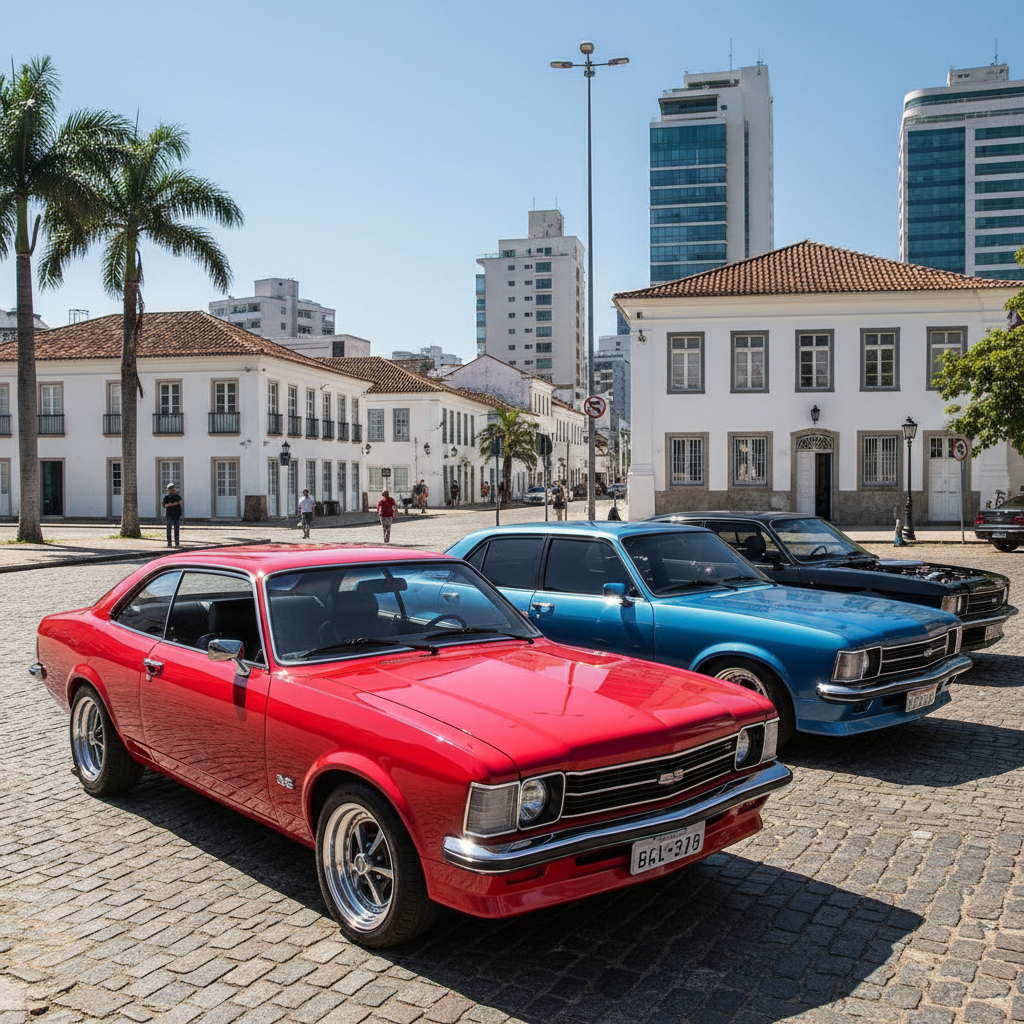
Central to this revitalization effort are two Chevrolet Opala SS vehicles: a vibrant yellow 1976 model and a striking green 1979 counterpart. These cars were strategically chosen to represent the primary colors of Brazil's national flag, imbuing the project with cultural significance.
For those unfamiliar with its lineage, the Opala holds a revered place in Brazilian automotive history. Launched in 1968 and produced by GM Brazil through 1992, the Opala was based on the German Opel Commodore. However, it distinguished itself with styling cues more akin to American designs and featured engines sourced from GM North America. The SS trim levels, in particular, were celebrated for their performance and distinctive aesthetics, cementing the Opala's status as a quintessential Brazilian muscle car.
Marrying Heritage with High-Tech Performance
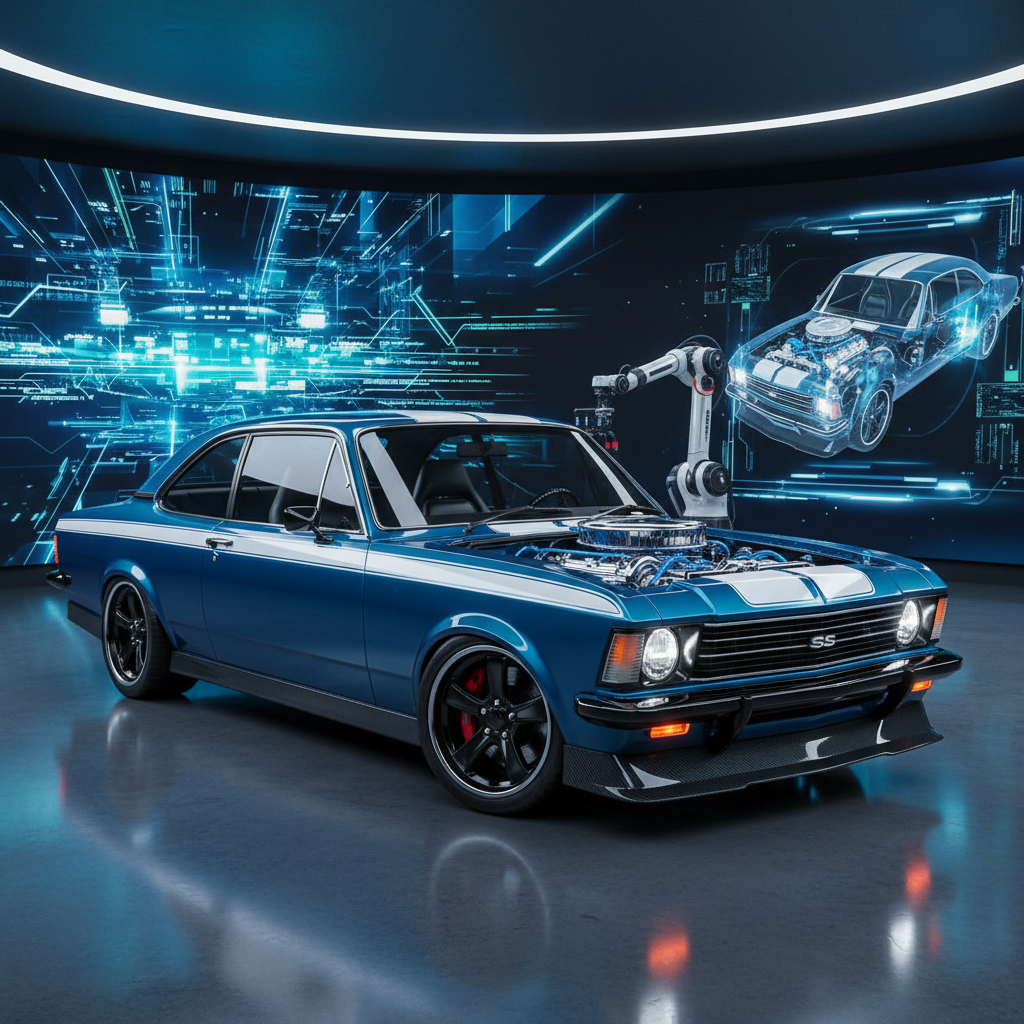
The restoration process undertaken by Chevrolet's engineers and fabricators transcended a typical refurbishment, venturing deep into restomod territory. Both Opala SS models retain their characteristic 4.1-liter inline-six engines, a powerplant originally based on the Turbo-Thrift 250 unit found in U.S. Chevrolet models. However, these engines have been comprehensively upgraded with modern fuel injection systems, significantly enhancing both power output and reliability. Furthermore, the classic muscle cars now benefit from a modern five-speed manual transmission from Tremec, providing a more engaging and precise driving experience.
Beyond the powertrain, the chassis and handling received substantial attention. The vehicles are now equipped with Bilstein shocks, offering improved ride quality and control. Updated brake systems provide superior stopping power, a crucial enhancement for modern road conditions. Steering precision has also been markedly improved, contributing to a more responsive and enjoyable driving dynamic. These upgrades were complemented by new 15-inch alloy wheels, carefully selected to maintain a period-correct appearance while accommodating modern tire technology.
One of the most impressive aspects of the project lies in the advanced restoration techniques employed. Chevrolet utilized modern methods such as laser welding, ensuring structural integrity and precise panel alignment that often surpasses original factory standards. To maintain authenticity where desired, a vast number of components, including the dashboard and gauges, were replaced with New Old Stock (NOS) parts, meticulously sourced to ensure an era-appropriate finish. This blend of cutting-edge technology with an unwavering respect for heritage exemplifies the art of high-level restomodding.
A New Era for Classic Preservation
This initiative by Chevrolet Brazil signals a potentially broader shift in the classic car community. While independent restoration shops have long been the custodians of automotive history, direct manufacturer involvement lends an unparalleled level of authenticity and engineering expertise to such projects. By demonstrating how classic vehicles can be enhanced for modern performance, safety, and reliability without sacrificing their iconic character, the Chevrolet Vintage Project sets a new benchmark for combining preservation with innovation.
For an international audience, these restomod Opalas represent more than just restored cars; they are a vibrant testament to global automotive heritage and the universal passion for classic vehicles. They showcase how different regions contribute unique models to the automotive tapestry, often with compelling stories and dedicated fan bases that deserve recognition and careful preservation. This project ensures that the legacy of the Opala SS, a true icon of Brazilian motoring, will continue to captivate new generations of enthusiasts, both locally and across the globe.