Masterclass in Metal: Rare 1978 Porsche 911 Turbo 3.3 Fully Restored
The automotive restoration arena recently witnessed a triumph of traditional craftsmanship and technical devotion as Porsche Cars North America crowned the national champion of its prestigious Classic Restoration Challenge. The top honor went to Harper Porsche of Knoxville, Tennessee, for their breathtaking resurrection of a rare 1978 Porsche 911 Turbo 3.3. Long subjected to storage decay and mechanical neglect, this extraordinary sports car began life as an early Sonderwunsch (“Special Wishes”) bespoke order. Bringing it back from the brink required a full rotisserie teardown, forensic attention to historical documentation, and hundreds of workshop hours spanning intricate bodywork, mechanical rebuilds, and interior craftsmanship.
Tackling Metal Fatigue: Bodywork, Rust Repair, and Paint Prep
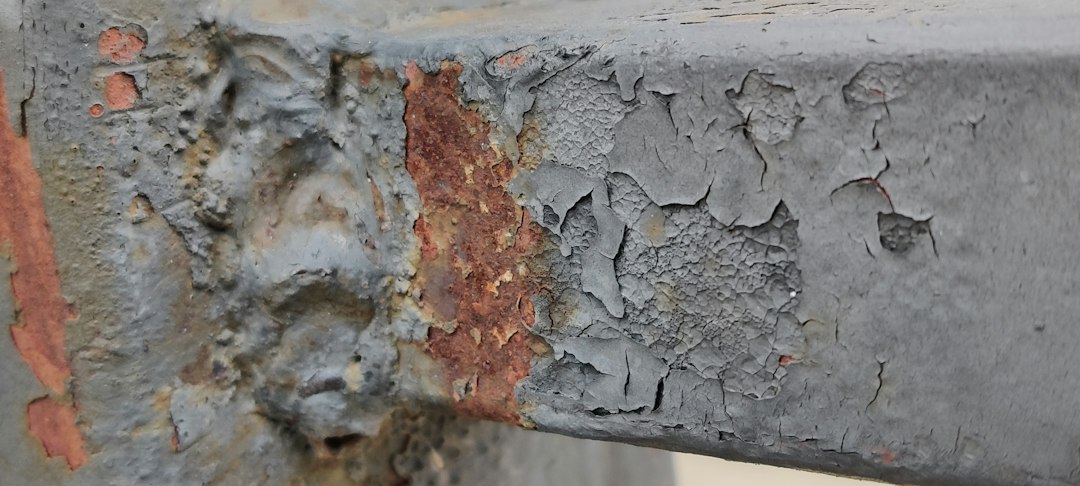
Before an iconic silhouette can shine under show lights, restorers must address the brutal toll time takes on vintage sheet metal. Upon entering the workshop, the 1978 Turbo revealed significant corrosion concealed beneath faded finishes, warped seams, and compromised structural points. For any high-level classic restoration, masking oxidation is never an option; technicians took the entire chassis down to bare metal to expose every imperfection and treat dormant rust at its root.
Specialists utilized traditional metal-shaping techniques, hand-forming replacement patch panels to eliminate rotted sections along structural seams, wheel arches, and torsion tube mounts. Specialized MIG and TIG welding ensured seamless structural rigidity without altering factory tolerances or geometry. Once the bodywork achieved laser-straight precision, the chassis underwent extensive epoxy priming to seal the freshly exposed steel against future atmospheric moisture. The crowning glory of the exterior build was recreating its bespoke factory finish: Paint to Sample Buick Medium Green Poly metallic. Achieving an authentic, high-gloss depth required modern epoxy foundations topped with period-correct base and clear formulations, thoroughly wet-sanded and hand-buffed to eliminate orange peel while honoring original assembly-line textures.
Heart of the Beast: The Turbocharged Powertrain and Parts Sourcing
Beneath the iconic tea-tray rear spoiler lay one of the most formidable powerplants of the late 1970s: the legendary 3.3-liter turbocharged air-cooled flat-six. Decades of sitting idle had left mechanical assemblies frozen, gaskets dried out, rubber lines brittle, and combustion chambers fouled. Restoring the powertrain necessitated a complete teardown down to the split crankcase.
Technicians meticulously blueprinted the rotating assembly, fitting newly honed cylinder liners, balanced pistons, and reconditioned cylinder heads with fresh valvetrain hardware. The classic KKK turbocharger and the mechanical fuel injection system presented demanding technical hurdles, requiring precise bench testing to guarantee period-correct boost delivery and fueling curves. A crucial element of the project was sourcing authentic Porsche Classic parts. Tracking down matching date-coded hardware, proper ignition relays, and factory-specification oil line assemblies required deep archival research and cooperation with specialized heritage suppliers. The matching manual transaxle received equal devotion, benefiting from completely rebuilt synchros and fresh seals to deliver crisp mechanical engagement.
Recreating Sonderwunsch Luxury: Cabin Trimming and Concours Lessons
A premier restoration is only as compelling as the driver's environment, and this Turbo’s bespoke heritage posed an extraordinary challenge inside the cabin. As an early custom factory commission, the vehicle originally paired supple white leather with distinctive pinstripe velour seat inserts—a lavish expression of late-1970s grand touring style. Decades of heat, humidity, and UV exposure had warped the dashboard substrate and dried the hides beyond salvage.
The interior specialists sourced exact reproduction fabrics and vat-dyed European hides, carefully cutting and stitching seat covers, door panels, and headliners to match factory gauge patterns and seam tensions. The delicate analog instrument gauges were fully disassembled, cleaned, and recalibrated, while original switches and dashboard hardware were systematically refreshed. For classic vehicle collectors and restoration enthusiasts alike, this masterclass project demonstrates that true restoration value lies in preserving provenance through uncompromising authenticity. By refusing shortcuts in structural rust repair, mechanical calibration, and bespoke trimming, skilled artisans prove that neglected automotive legends can outshine even their original showroom splendor.