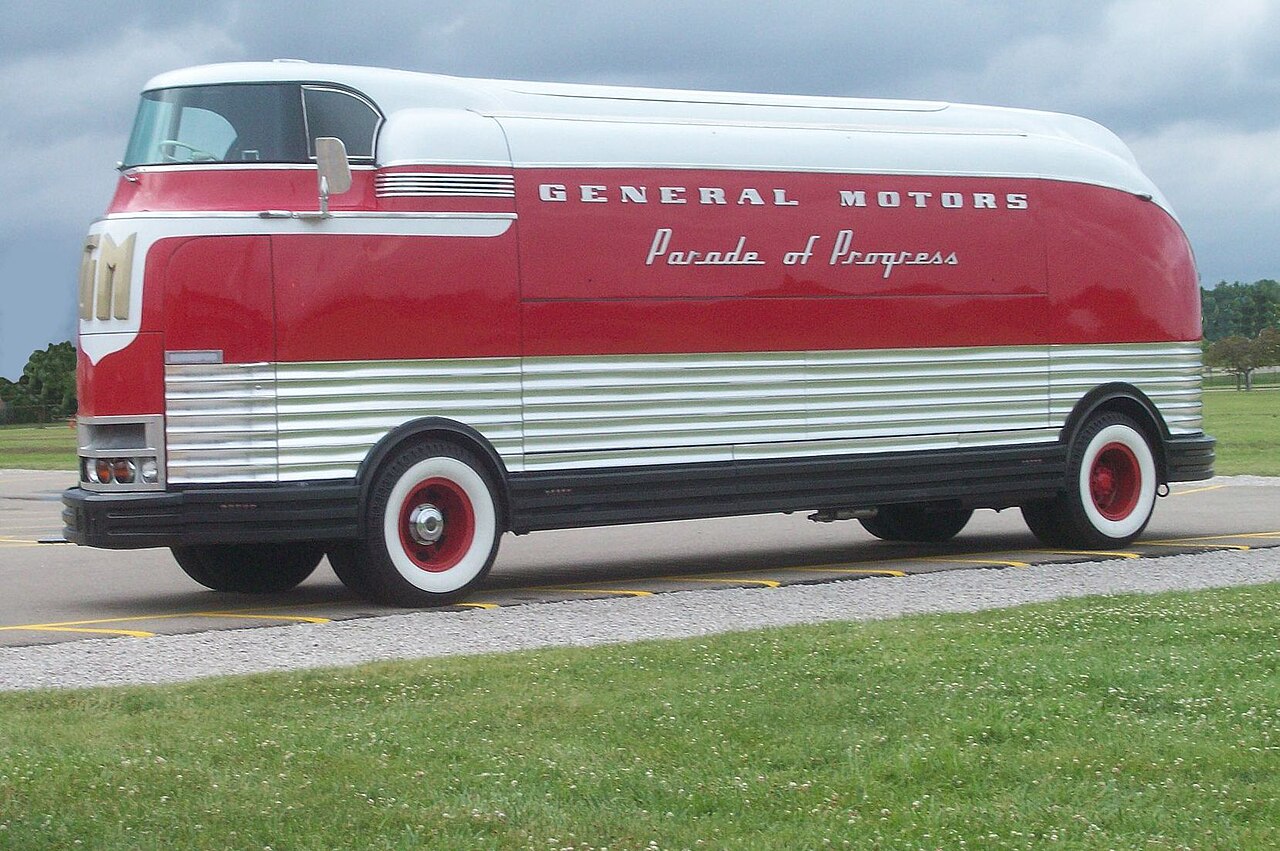
Historic GM Futurliner No. 7 Restored and Unveiled at Retromobile New York
The classic vehicle restoration community witnessed a remarkable milestone this week as the meticulously restored 1939 General Motors Futurliner No. 7 made its public debut at Retromobile New York, hosted at Manhattan's Javits Center. Out of just 12 examples ever hand-built by General Motors, the surviving Futurliners stand among the rarest and most striking icons of Art Deco styling and industrial design. Following a painstaking, ground-up restoration spearheaded by a collector connected to the Caretakers Collection, this legendary piece of motoring heritage has been brought back to its authentic glory, demonstrating the pinnacle of modern preservation and bespoke coachwork techniques.
Reviving an Icon of Mid-Century Optimism
Conceived under the supervision of GM's legendary design director Harley Earl, the Futurliners were created as mobile centerpieces for the renowned "Parade of Progress"—a traveling exhibition of science, technology, and futuristic consumer concepts that toured North America from the late 1930s until 1956. Measuring roughly 33 feet in length, 8 feet in width, and over 11 feet in height, each Futurliner was designed as an imposing stage on wheels. Massive side body panels pivoted open hydraulically to reveal interactive displays, while an overhead lighting tower retracted upward to illuminate crowds.
Over the decades following their retirement, many Futurliners fell victim to weather, neglect, or heavy modification. Number 7 was sold in the 1990s and subsequently underwent an initial restoration that included an aftermarket diesel engine swap and several structural modifications. When the vehicle traded hands again for $925,000, the new custodian made the bold decision to commission an exhaustive rebuild. Rather than settling for cosmetic freshening, the mandate was clear: undo previous shortcuts and restore the vehicle's authentic look and feel from the pre-war era.
Reversing Decades of Modifications for Authentic Preservation
Restoring a commercial monolith of this scale presents unique engineering hurdles compared to traditional sports car restorations. Specialist fabricators began by tearing the coachwork down to assess the condition of the massive structural frame. Decades of road salt, humidity, and atmospheric exposure had left hidden pockets of corrosion across the undercarriage and lower perimeter framing. Master metalworkers carried out extensive rust repair, cutting away rusted metal sections and forming fresh steel patch panels by hand to retain the structural integrity of the monocoque-like skeleton.
The signature body panels required hundreds of hours of block sanding and realignment. Replicating the vehicle’s original two-tone red and white finish demanded modern high-solids automotive paint formulations applied over meticulous corrosion-resistant epoxy primers. Getting Earl’s flowing, aerodynamic curves perfectly straight across a 33-foot expanse required expert paint gun techniques and controlled bake cycles, ensuring the vehicle looks showroom-fresh while remaining protected against long-term deterioration.
A Complex Feat of Structural and Mechanical Craftsmanship
Restoring the interior and mechanical systems presented equally demanding tasks. Unlike production muscle cars or vintage roadsters, replacement parts for a Futurliner cannot simply be ordered from a catalogue. The restoration crew had to source rare new-old-stock components or recreate them using archival General Motors technical drawings and period photographs. The raised, bubble-like central driver’s cockpit required custom glass forming, period-correct gauge restoration, and tailored weather seals to safeguard the driver’s elevated perch against moisture.
Underneath, mechanics thoroughly overhauled the unique steering and suspension hardware, which famously includes dual front wheels designed to handle the machine's immense weight. The steering linkage, heavy-duty leaf springs, and pneumatic systems were completely disassembled, magnafluxed for stress fractures, and rebuilt to factory safety standards. Master technicians also reconstructed the complex electrical harness, reviving the intricate folding stage panels and roof lighting that originally brought technology to life for post-war audiences.
The debut of Futurliner No. 7 in New York proves that the modern restoration movement is embracing historically significant commercial vehicles with the same precision and reverence once reserved solely for exotic classics. By combining traditional metal shaping, archival research, and cutting-edge refinishing materials, the craftsmen behind this project have saved an irreplaceable piece of 20th-century history.
Cover photo: binelli2011 / CC BY 2.0, via Wikimedia Commons