Rare Bill Thomas Cheetah Undergoes Meticulous Restoration, Roaring Back to Life
In the fiercely competitive world of 1960s American sports car racing, legends were forged, and rivalries ignited. While names like Shelby Cobra often dominate historical narratives, the audacious Bill Thomas Cheetah represented a significant 'what if' in motorsport lore. A recent, comprehensive restoration of a specific Cheetah example has brought this enigmatic machine back into the spotlight, reminding enthusiasts of its radical design and potent performance.
The Bill Thomas Cheetah was conceived as a direct challenger to Carroll Shelby’s dominant Cobras, famously designed with an extremely long hood and an ultra-lightweight chassis, reportedly around 450 pounds lighter than a 289-cubic-inch Ford Cobra. This weight advantage was paired with formidable power, typically derived from a Rochester fuel-injected, small-block Chevrolet V-8 engine. Many of these V-8s were reportedly stroked to 377 cubic inches, generating power figures exceeding 500 horsepower. Despite its potential, the Cheetah’s racing career was cut short due to various factors, leaving its full capabilities largely unexplored on the track and cementing its status as a collector's prized possession rather than a Le Mans regular.
Bringing a 'What If' to Perfection
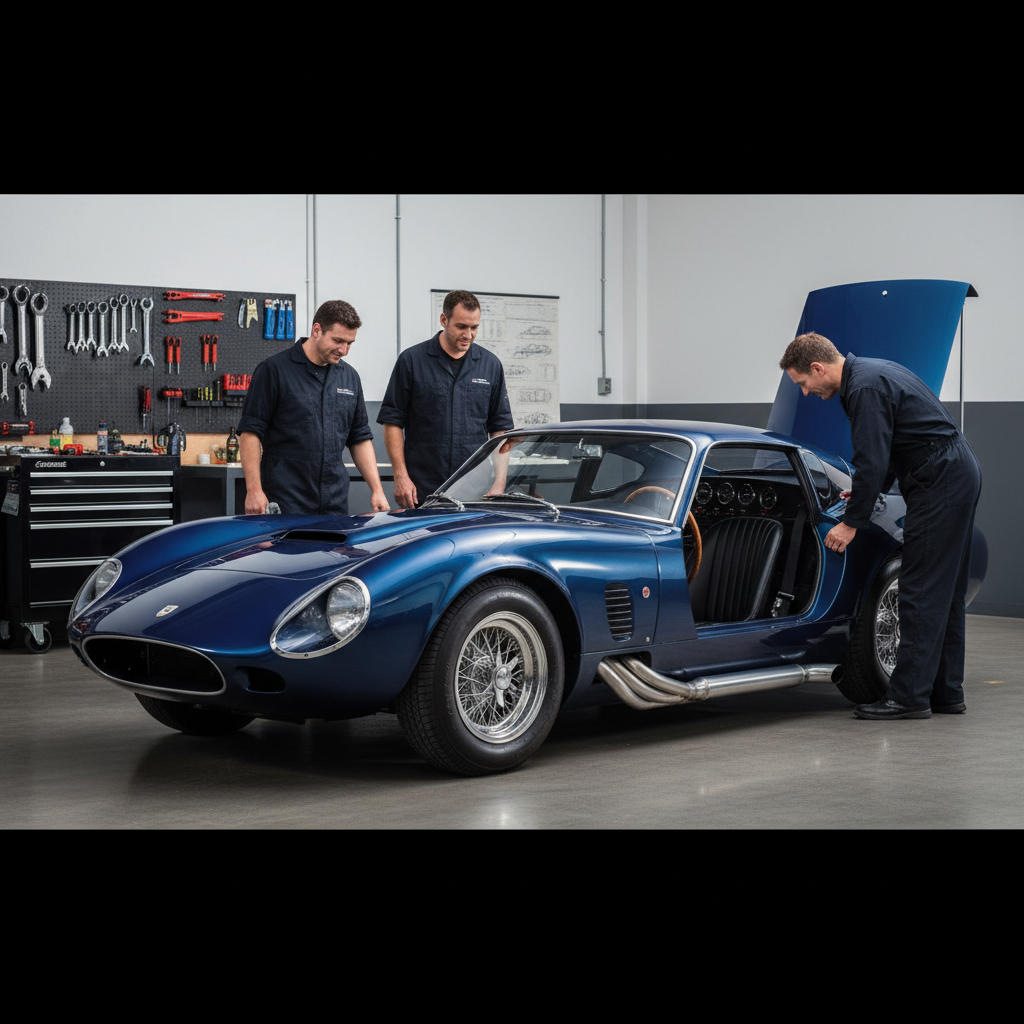
The particular Cheetah in question, a testament to the era's innovative spirit, recently underwent a full, meticulous restoration. Its journey to pristine condition is a story that spans decades. The car was held by its second owner from 1968 until 1980, before a third owner acquired it approximately 25 years later and initiated the extensive restoration project. Restoring a vehicle of this rarity and unique engineering presents formidable challenges. Unlike mass-produced classics, the Cheetah was essentially built from an assemblage of Chevrolet production parts combined with bespoke, lightweight components. Sourcing period-correct parts, or meticulously recreating them to original specifications, demands an unparalleled level of expertise and dedication.
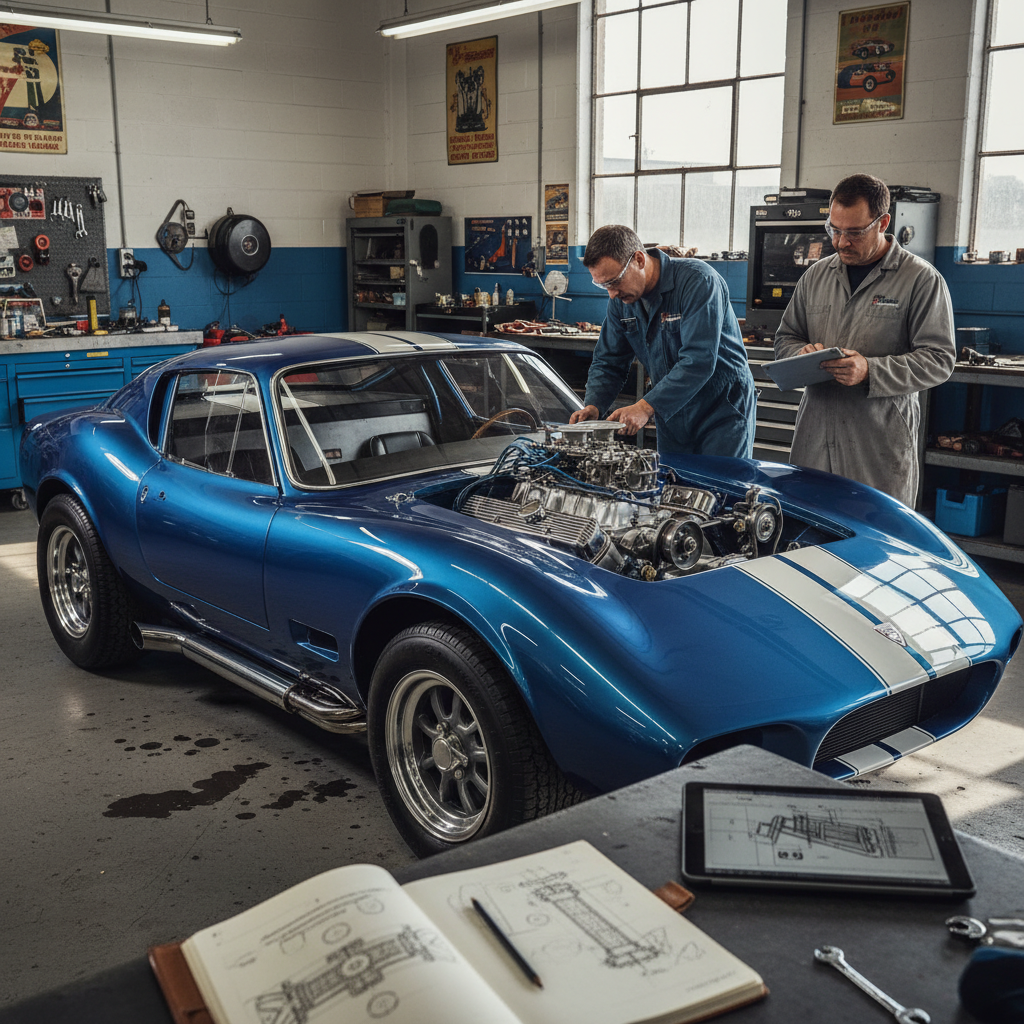
The restoration process for such a low-production, hand-built race car would have involved comprehensive attention to every detail, from the intricate bodywork to the specialized powertrain. Given its unique engine configuration—a 377-cubic-inch V-8 with Rochester fuel injection—the engine rebuild alone would have been a monumental task, requiring specialists familiar with vintage Chevrolet performance engineering. Achieving the reported 'stunning condition' with 'red leather seats and a host of period correct powertrain, engine, and suspension components' underscores the quality and authenticity of the work performed. Furthermore, the existence of a 'bumper crop of paperwork' for this example highlights the importance of documentation in authenticating such significant restorations, providing a verifiable history crucial for collectors and enthusiasts alike.
The Enduring Appeal of Bespoke Classics
The successful restoration of this Bill Thomas Cheetah not only preserves a significant piece of automotive history but also offers a tangible link to a pivotal era of innovation and raw performance. These vehicles, often overshadowed by their more famous contemporaries, represent a fascinating branch of automotive development where individual ingenuity often outpaced corporate budgets. For enthusiasts, the opportunity to witness a car like the Cheetah brought back to its original glory is a rare treat. It also highlights the critical role of skilled restorers who possess the knowledge, craftsmanship, and patience to tackle projects involving obscure marques and one-off designs.
As the classic car market continues to evolve, the value placed on such unique, fully restored examples remains high. While a continuation Shelby Cobra 427 S/C might fetch a considerable sum, a genuine, period-built Cheetah can command double that price, reflecting its rarity and unique place in automotive lore. This meticulous restoration ensures that the legacy of Bill Thomas's vision, and the breathtaking performance of the Cheetah, will continue to be celebrated and experienced for generations to come, allowing this 'what if' to finally roar its answer to the challenges of its time.